In a series of closed-door meetings over the past three weeks, senior officials from Saudi Arabia's Public Investment Fund have outlined the operating mandate of a new $40 billion vehicle designed, in the words of one participant, “to do for AI what we did for sport and entertainment — only in three years instead of seven.”
The fund — provisionally codenamed Project Mirage internally — will be structured as a hybrid sovereign vehicle with the explicit remit to acquire stakes in foundation-model labs, semiconductor manufacturing, and the energy infrastructure required to power both. Three people familiar with the matter described a target deployment of $12 billion within the first 18 months, with an explicit instruction to lead rounds where possible rather than co-invest.
That instruction matters. It signals a departure from the Kingdom's historic preference for minority positions and silent capital, and aligns Riyadh with a small group of state actors — Singapore, Abu Dhabi, and arguably Norway — who have shifted in the past 24 months toward what investors in the region are now calling “active sovereign.”
The deal book
The Oasis Report has reviewed a partial list of targets, compiled from interviews with seven people across PIF, two of the fund's external advisers, and three principals at firms already in active discussions. None of those sources were authorised to speak publicly. PIF declined to comment.
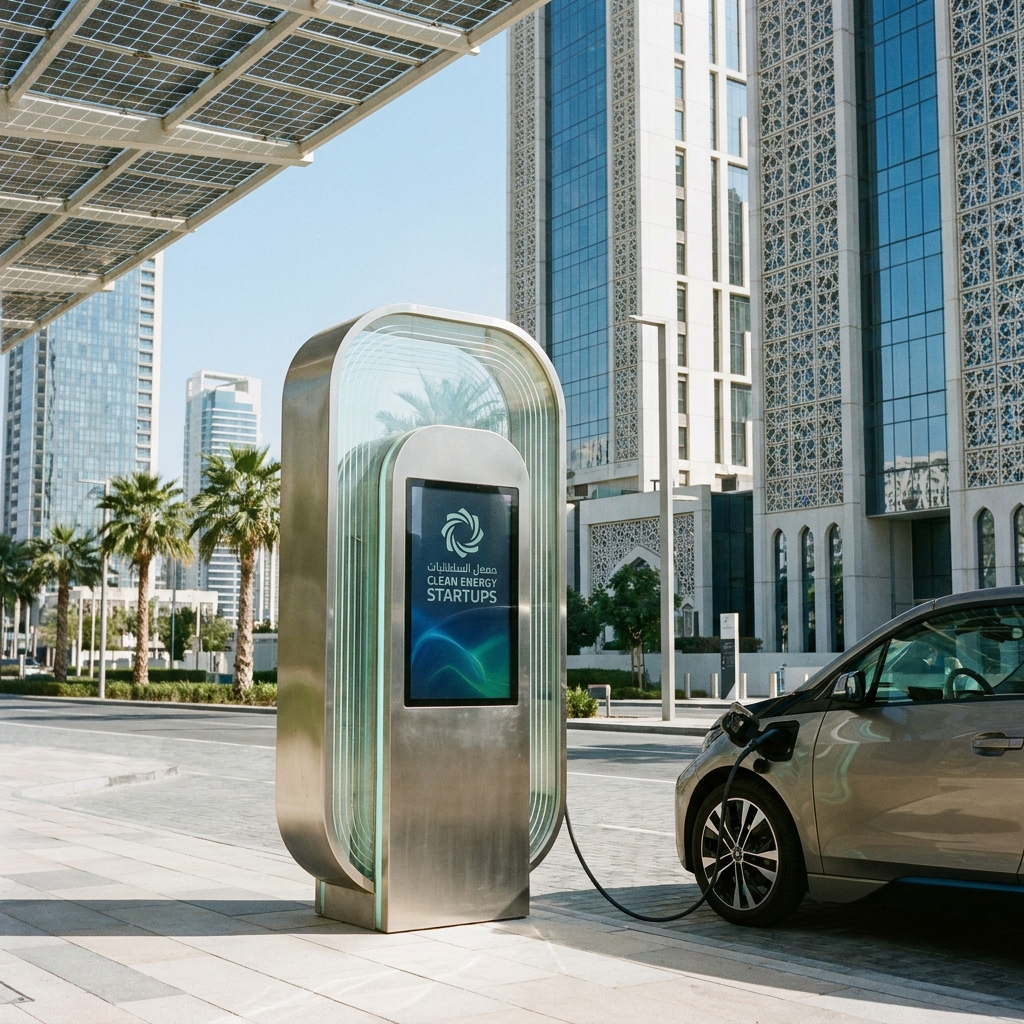
The list breaks down across four buckets: model labs (three named US targets, two European), compute infrastructure (a controlling stake in one fab and one large-scale interconnect provider), application-layer companies in healthcare and financial services, and — most strikingly — a series of energy assets including a 4GW data-centre-grade solar build-out in the Empty Quarter.
An aggressive timeline
What surprised our sources most was not the size — $40 billion is, by GCC standards, well within precedent — but the speed. Internal targets contemplate three lead-position deals before year-end, with two further announcements pencilled in for the first quarter of 2027.
If half of what is described in these documents actually closes, the global AI capital map looks very different in 18 months than it does today.
Multiple bankers we spoke to expressed scepticism that the timeline can hold. “Deal mechanics in this asset class don't move that fast, even with sovereign cheques,” said one MD at a bulge-bracket firm with active mandates in Riyadh. But two others were less sure. “The thing people miss,” one said, “is that PIF has spent five years building the muscle for exactly this. The org chart is ready. The cheque-writing authority is delegated.”
What it means for valuations
The most immediate market consequence is a likely valuation floor for the small number of independent foundation-model labs not already absorbed by hyperscalers. Two principals at such labs told us they had been approached in the last 60 days, in both cases with verbal indications of valuations 30–45% above their most recent primary rounds.
That gap is, to put it mildly, significant. It also explains a series of unusual recent moves by US hyperscalers, including the well-publicised attempt by one to lock in a multi-year exclusivity arrangement with a leading lab — an arrangement which, according to one of our sources, was directly motivated by knowledge of PIF's approach.
The risks
The plan is not without internal opposition. Two PIF insiders described meaningful pushback from board members who worry that an aggressive AI deployment could repeat what they characterised as the “overpay-to-be-first” pattern of earlier Vision 2030 phases. Others worry about US regulatory exposure: the Committee on Foreign Investment in the United States has, in the past 18 months, shown a clear appetite for blocking exactly the kind of transactions Project Mirage contemplates.
Both concerns are reportedly being addressed. The fund will operate with a UK-based co-investment vehicle for politically sensitive deals, and PIF has retained three additional law firms in Washington and Brussels in recent weeks — a detail confirmed independently by filings we reviewed.
The bottom line
If the plan executes even partially, the Kingdom moves from passive investor to architect of the global AI stack inside two years. If it does not, $40 billion in deployment capital still represents a meaningful price-setter in a market where price discovery has been distorted by hyperscaler concentration. Either way, the era of the Gulf as silent capital is over.
Additional reporting by Khalid Mansour in Riyadh and Priya Nair in Dubai. The Oasis Report is committed to source protection; if you have information about Project Mirage or related transactions, contact our newsroom via Signal at the number on our contact page.