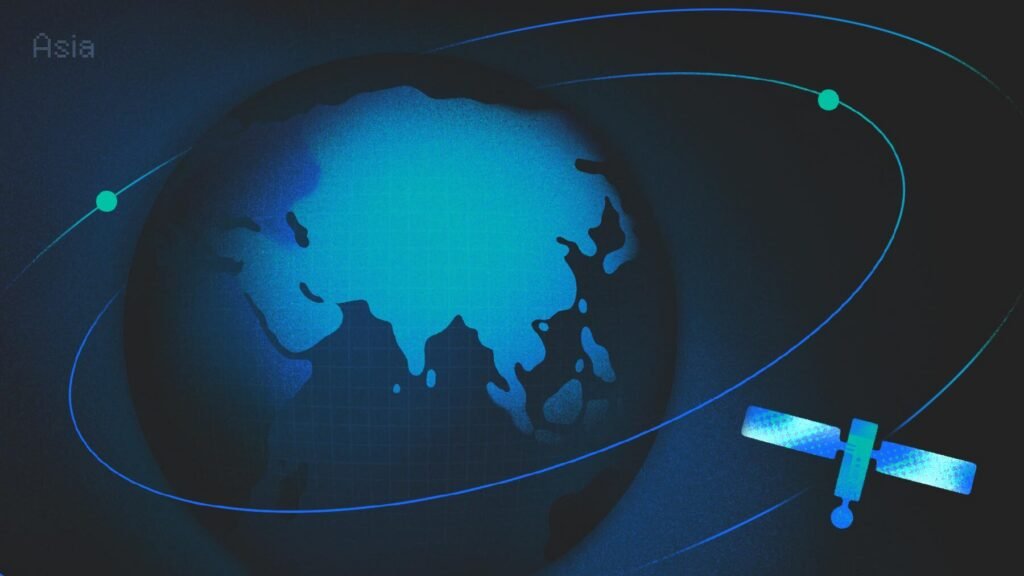
In a striking turnaround, Asia-based startups attracted $42.8 billion in funding during the second quarter of 2026, marking the highest quarterly total in over three years, according to Crunchbase. This surge was primarily driven by a significant uptick in investments in artificial intelligence-focused ventures, which accounted for more than 60% of total funding. Notably, Chinese startups led the charge, securing over $30 billion, a staggering 424% increase compared to the same period last year. The funding landscape was characterized by a concentration of capital in a few prominent players, with deal counts declining to a multiyear low even as total investment soared.
Artificial intelligence emerged as the dominant sector, with companies in this domain raising just over $26 billion, the highest amount on record for AI startups in Asia. Leading the pack was DeepSeek, a China-based large language model developer, which raised a remarkable $7.4 billion at a valuation of $50 billion. Other significant players included StepFun and DayOne, both of which secured $2.5 billion each, underscoring the growing interest in foundational AI technologies across the region.
The funding boom was not confined to the early stages; late-stage investments also saw substantial growth, with nearly $21 billion directed towards technology growth rounds, the highest in over four years. Early-stage funding reached $18.4 billion, reflecting a robust appetite for new ventures. Seed funding remained stable at $3.7 billion, indicating a healthy pipeline for nascent startups. This overall positive trajectory suggests a revitalized investor confidence in Asia’s startup ecosystem, although it remains evident that capital allocation is increasingly selective, favoring established names over emerging players.
The implications for the Gulf region, particularly in Saudi Arabia and the broader GCC, are significant. As AI continues to dominate investment narratives, local startups in related sectors may find new opportunities for funding, especially as regional investors look to diversify their portfolios. The concentration of capital in a few leading companies also raises questions about competition dynamics, potentially creating barriers for smaller players while highlighting the need for innovative solutions to attract investment in the Gulf's burgeoning tech landscape.
Artificial intelligence emerged as the dominant sector, with companies in this domain raising just over $26 billion, the highest amount on record for AI startups in Asia. Leading the pack was DeepSeek, a China-based large language model developer, which raised a remarkable $7.4 billion at a valuation of $50 billion. Other significant players included StepFun and DayOne, both of which secured $2.5 billion each, underscoring the growing interest in foundational AI technologies across the region.
The funding boom was not confined to the early stages; late-stage investments also saw substantial growth, with nearly $21 billion directed towards technology growth rounds, the highest in over four years. Early-stage funding reached $18.4 billion, reflecting a robust appetite for new ventures. Seed funding remained stable at $3.7 billion, indicating a healthy pipeline for nascent startups. This overall positive trajectory suggests a revitalized investor confidence in Asia’s startup ecosystem, although it remains evident that capital allocation is increasingly selective, favoring established names over emerging players.
The implications for the Gulf region, particularly in Saudi Arabia and the broader GCC, are significant. As AI continues to dominate investment narratives, local startups in related sectors may find new opportunities for funding, especially as regional investors look to diversify their portfolios. The concentration of capital in a few leading companies also raises questions about competition dynamics, potentially creating barriers for smaller players while highlighting the need for innovative solutions to attract investment in the Gulf's burgeoning tech landscape.
Source: Crunchbase