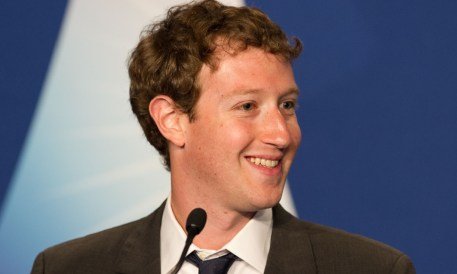
Tilly Norwood, an entirely AI-generated character, is poised to make her cinematic debut in the upcoming feature film 'Misaligned,' produced by London-based Particle6. This comedy-drama features Norwood as an AI entity devoid of a physical form, childhood, or personal experiences, yet possessing access to the collective experiences of humanity. The film represents a hybrid production model, merging traditional filmmaking practices with advanced AI technologies, which has sparked considerable debate within the industry. Critics, including the Screen Actors Guild, have raised concerns about the implications of AI-generated performers, emphasizing that such characters lack the human experience that audiences typically seek in storytelling.
Particle6's founder, Eline van der Velden, has embraced the controversy surrounding Norwood's creation, leveraging her social media presence to engage with critics and promote the film as a fresh exploration of AI's potential in creative industries. The commercial rationale for synthetic performers extends beyond merely replacing leading actors; it addresses the logistical challenges associated with traditional casting, such as scheduling conflicts, contractual negotiations, and international adaptations. The rapid advancements in AI technology, evidenced by recent developments from companies like Google and Netflix, signal a shift in how films may be produced in the future, with AI performers potentially altering the landscape of the entertainment industry.
In response to the rising prominence of AI in Hollywood, unions are advocating for protective measures, including a proposed 'Tilly tax' aimed at imposing a royalty fee on productions featuring AI-generated characters. Legislative efforts are also underway, with states like New York and California implementing laws that require transparency regarding the use of AI-generated performers. As Norwood's film approaches its release, the industry's response to these developments will be closely scrutinized, as will the audience's reception of AI-driven storytelling. This evolving narrative raises critical questions about the intersection of technology and creativity in the entertainment sector, and whether the traditional frameworks of compensation and representation can adapt to this new reality.
Particle6's founder, Eline van der Velden, has embraced the controversy surrounding Norwood's creation, leveraging her social media presence to engage with critics and promote the film as a fresh exploration of AI's potential in creative industries. The commercial rationale for synthetic performers extends beyond merely replacing leading actors; it addresses the logistical challenges associated with traditional casting, such as scheduling conflicts, contractual negotiations, and international adaptations. The rapid advancements in AI technology, evidenced by recent developments from companies like Google and Netflix, signal a shift in how films may be produced in the future, with AI performers potentially altering the landscape of the entertainment industry.
In response to the rising prominence of AI in Hollywood, unions are advocating for protective measures, including a proposed 'Tilly tax' aimed at imposing a royalty fee on productions featuring AI-generated characters. Legislative efforts are also underway, with states like New York and California implementing laws that require transparency regarding the use of AI-generated performers. As Norwood's film approaches its release, the industry's response to these developments will be closely scrutinized, as will the audience's reception of AI-driven storytelling. This evolving narrative raises critical questions about the intersection of technology and creativity in the entertainment sector, and whether the traditional frameworks of compensation and representation can adapt to this new reality.
Source: PYMNTS