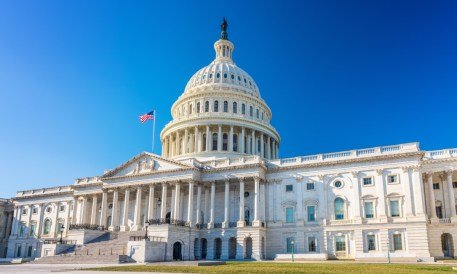
In a notable shift, leading artificial intelligence companies in the United States are ramping up their lobbying efforts, reflecting a proactive approach to navigate an increasingly complex regulatory landscape. According to a recent report by the Financial Times, firms such as OpenAI and Anthropic have significantly increased their lobbying budgets, with OpenAI nearly doubling its spending to $2.22 million in the first half of this year compared to the same period in 2022, and Anthropic tripling its expenditures to $3.53 million. This surge in lobbying is largely driven by the industry's desire to mitigate the impact of forthcoming regulations and to advocate for favorable government policies that support AI development and deployment. Industry experts highlight that the lobbying efforts are not solely focused on deterring regulation but also on promoting an affirmative industrial policy that could bolster the sector's growth in the long term.
The lobbying agenda is multifaceted, addressing critical issues such as federal guidelines for the release of new AI models, especially in light of recent government interventions like the suspension of Anthropic's Fable model over cybersecurity concerns. Additionally, these companies are keen to influence regulations surrounding data centers and the transparency of model parameters, which are vital for fostering trust and accountability in AI technologies. As Joseph Hoefer, chief AI officer at Monument Advocacy, noted, the complexity of AI regulation encompasses various dimensions, including export controls, infrastructure development, and liability considerations, making it essential for companies to engage actively in the policy-making process.
As regulatory frameworks evolve, the approach to AI oversight is becoming increasingly procedural, with government agencies and international bodies shifting from broad principles to more detailed discussions on accountability, documentation, and vendor controls. This trend indicates a move towards more structured governance of AI technologies, which could have significant implications for the industry as it seeks to balance innovation with responsible oversight. The formation of advisory committees and feedback mechanisms by entities like the National Institute of Standards and Technology and the Financial Stability Board further underscores the growing importance of stakeholder engagement in shaping the future of AI regulation.
For investors and founders in the Gulf region, these developments signal a critical juncture in the AI landscape. As the regulatory environment becomes more defined, understanding the implications of these lobbying efforts will be crucial for capital allocation and strategic planning. Companies that can navigate the regulatory complexities and align their business models with emerging government policies are likely to gain a competitive advantage in a rapidly evolving market. The increased focus on AI governance may also attract greater investment into the sector, as stakeholders seek to capitalize on the opportunities presented by a more structured regulatory framework.
The lobbying agenda is multifaceted, addressing critical issues such as federal guidelines for the release of new AI models, especially in light of recent government interventions like the suspension of Anthropic's Fable model over cybersecurity concerns. Additionally, these companies are keen to influence regulations surrounding data centers and the transparency of model parameters, which are vital for fostering trust and accountability in AI technologies. As Joseph Hoefer, chief AI officer at Monument Advocacy, noted, the complexity of AI regulation encompasses various dimensions, including export controls, infrastructure development, and liability considerations, making it essential for companies to engage actively in the policy-making process.
As regulatory frameworks evolve, the approach to AI oversight is becoming increasingly procedural, with government agencies and international bodies shifting from broad principles to more detailed discussions on accountability, documentation, and vendor controls. This trend indicates a move towards more structured governance of AI technologies, which could have significant implications for the industry as it seeks to balance innovation with responsible oversight. The formation of advisory committees and feedback mechanisms by entities like the National Institute of Standards and Technology and the Financial Stability Board further underscores the growing importance of stakeholder engagement in shaping the future of AI regulation.
For investors and founders in the Gulf region, these developments signal a critical juncture in the AI landscape. As the regulatory environment becomes more defined, understanding the implications of these lobbying efforts will be crucial for capital allocation and strategic planning. Companies that can navigate the regulatory complexities and align their business models with emerging government policies are likely to gain a competitive advantage in a rapidly evolving market. The increased focus on AI governance may also attract greater investment into the sector, as stakeholders seek to capitalize on the opportunities presented by a more structured regulatory framework.
Source: PYMNTS