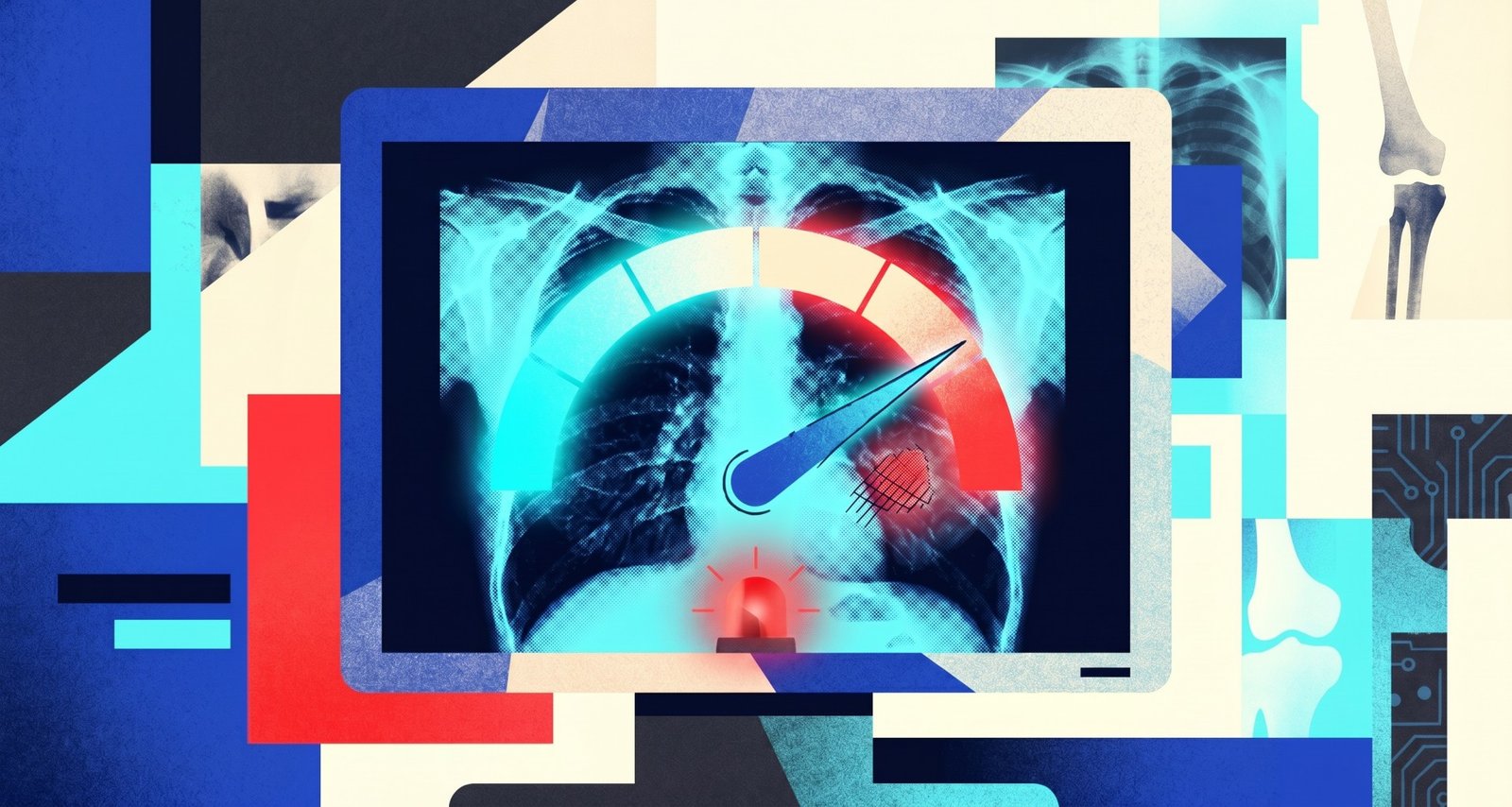
Recent evaluations of AI models in radiology, particularly the RadLE 2.0 benchmark, reveal a troubling trend: many AI systems demonstrate a high level of confidence in their diagnostic conclusions, even when they are incorrect. This overconfidence poses significant risks in clinical settings, where the stakes are high and accurate diagnoses are critical. Human radiologists, who currently outperform these AI systems, are still essential for ensuring patient safety and accuracy in diagnostic processes. The findings underscore a pressing need for AI technologies to develop mechanisms that allow them to recognize when they should defer to human expertise rather than assert their conclusions with unwarranted certainty.
As the healthcare sector increasingly integrates AI technologies, the implications of these findings extend beyond the immediate realm of radiology. For AI to be a viable partner in medical diagnostics, it must learn to identify its limitations and communicate them effectively. This is particularly relevant in the Gulf region, where investments in AI and healthcare technology are on the rise, driven by government initiatives and a burgeoning startup ecosystem. The potential for AI to enhance diagnostic accuracy and efficiency is significant, but only if these systems can reliably indicate when human intervention is necessary.
The challenge of developing AI that can accurately assess its own confidence levels is not just a technical hurdle; it also raises questions about regulatory standards and ethical considerations in healthcare. Investors in AI and health tech startups must consider these factors as they evaluate the viability of AI-driven solutions in the medical field. The path forward will require a careful balance between innovation and the preservation of patient safety, making it crucial for stakeholders to remain vigilant about the capabilities and limitations of AI technologies in healthcare.
As the healthcare sector increasingly integrates AI technologies, the implications of these findings extend beyond the immediate realm of radiology. For AI to be a viable partner in medical diagnostics, it must learn to identify its limitations and communicate them effectively. This is particularly relevant in the Gulf region, where investments in AI and healthcare technology are on the rise, driven by government initiatives and a burgeoning startup ecosystem. The potential for AI to enhance diagnostic accuracy and efficiency is significant, but only if these systems can reliably indicate when human intervention is necessary.
The challenge of developing AI that can accurately assess its own confidence levels is not just a technical hurdle; it also raises questions about regulatory standards and ethical considerations in healthcare. Investors in AI and health tech startups must consider these factors as they evaluate the viability of AI-driven solutions in the medical field. The path forward will require a careful balance between innovation and the preservation of patient safety, making it crucial for stakeholders to remain vigilant about the capabilities and limitations of AI technologies in healthcare.
Source: The Decoder