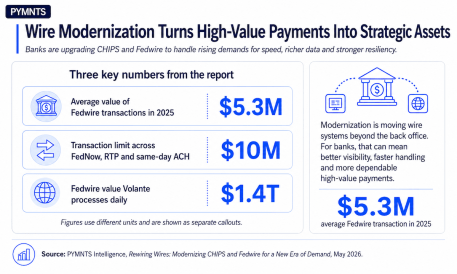
Wire payments are evolving from mere back-office functions into strategic assets for banks, as highlighted in a recent report by PYMNTS Intelligence and Volante Technologies. Financial institutions are increasingly upgrading their systems to accommodate the growing demand for faster processing, enhanced information flow, and more reliable service. With the average Fedwire transaction value expected to reach $5.3 million by 2025, the stakes are higher than ever, making the cost of delays and errors significantly more impactful. This modernization effort is not just about keeping pace; it’s about leveraging advanced technology to gain a competitive edge in a rapidly evolving payments landscape.
The report notes that banks are now able to integrate various payment systems, such as the Clearing House Interbank Payments System (CHIPS) and Fedwire, with treasury tools and other payment networks. This integration allows for improved visibility and management of funds, akin to operating a control tower that directs payment traffic with precision. The introduction of higher transaction limits across platforms like FedNow® and the RTP® network is further incentivizing banks to refine their payment routing strategies, ensuring that they can meet the demands of time-sensitive transfers more effectively.
However, the transition to a modernized infrastructure is not without its challenges. Many banks still operate on outdated systems that rely heavily on manual processes, which can lead to delays and vulnerabilities, particularly in high-value transactions. The report emphasizes the importance of adopting cloud-based solutions, which can enhance processing capacity and reduce operational risks. By embracing application programming interfaces (APIs) and the ISO 20022 data standard, banks can streamline their operations and improve compliance, thereby increasing the reliability and transparency of wire payments for clients.
Ultimately, the modernization of wire payment systems presents a significant opportunity for banks to enhance their service offerings while navigating a more competitive payments market. As institutions invest in these upgrades, they not only improve their operational efficiency but also position themselves to better serve the evolving needs of their clients in an increasingly interconnected economy.
The report notes that banks are now able to integrate various payment systems, such as the Clearing House Interbank Payments System (CHIPS) and Fedwire, with treasury tools and other payment networks. This integration allows for improved visibility and management of funds, akin to operating a control tower that directs payment traffic with precision. The introduction of higher transaction limits across platforms like FedNow® and the RTP® network is further incentivizing banks to refine their payment routing strategies, ensuring that they can meet the demands of time-sensitive transfers more effectively.
However, the transition to a modernized infrastructure is not without its challenges. Many banks still operate on outdated systems that rely heavily on manual processes, which can lead to delays and vulnerabilities, particularly in high-value transactions. The report emphasizes the importance of adopting cloud-based solutions, which can enhance processing capacity and reduce operational risks. By embracing application programming interfaces (APIs) and the ISO 20022 data standard, banks can streamline their operations and improve compliance, thereby increasing the reliability and transparency of wire payments for clients.
Ultimately, the modernization of wire payment systems presents a significant opportunity for banks to enhance their service offerings while navigating a more competitive payments market. As institutions invest in these upgrades, they not only improve their operational efficiency but also position themselves to better serve the evolving needs of their clients in an increasingly interconnected economy.
Source: PYMNTS