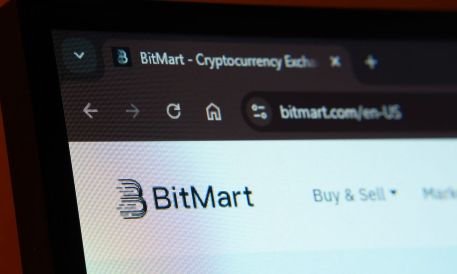
Cryptocurrency exchange BitMart has announced it will cease operations, marking the second major closure in the sector within a week. The company cited a thorough evaluation of its operational conditions and market environment as the basis for this difficult decision. Effective immediately, BitMart has suspended new registrations, deposits, and trading orders, with full trading services set to end by August 26, and all operations concluding by January 31 of the following year. Users are encouraged to withdraw their assets as soon as possible, although the withdrawal process will involve additional scrutiny, including identity verification and source-of-funds checks, which may introduce delays. This move underscores the increasing challenges faced by cryptocurrency exchanges in a rapidly evolving market landscape.
BitMart's closure follows the announcement from BitMex, another established exchange that has halted new registrations as it prepares for a similar wind-down. Both exchanges have been operational for several years, with BitMart serving users globally since its inception nine years ago. The recent wave of closures also includes the cryptocurrency wallet SecondFI, which shut down after suffering a significant security breach that resulted in the theft of $2.4 million from its users. These developments signal a turbulent period for the cryptocurrency industry, as regulatory pressures and market volatility continue to reshape the competitive landscape.
In a broader context, recent research highlights a significant knowledge gap regarding stablecoins among credit union members, indicating that many potential users are unaware of the operational processes and risks associated with digital currencies. This lack of understanding could hinder the adoption of cryptocurrency solutions in traditional financial institutions, emphasizing the need for tailored educational efforts to bridge the gap between technology and user comprehension. As the market grapples with these challenges, the implications for investor confidence and capital allocation in the fintech space are profound, potentially reshaping the future of digital asset investment in the Gulf region.
BitMart's closure follows the announcement from BitMex, another established exchange that has halted new registrations as it prepares for a similar wind-down. Both exchanges have been operational for several years, with BitMart serving users globally since its inception nine years ago. The recent wave of closures also includes the cryptocurrency wallet SecondFI, which shut down after suffering a significant security breach that resulted in the theft of $2.4 million from its users. These developments signal a turbulent period for the cryptocurrency industry, as regulatory pressures and market volatility continue to reshape the competitive landscape.
In a broader context, recent research highlights a significant knowledge gap regarding stablecoins among credit union members, indicating that many potential users are unaware of the operational processes and risks associated with digital currencies. This lack of understanding could hinder the adoption of cryptocurrency solutions in traditional financial institutions, emphasizing the need for tailored educational efforts to bridge the gap between technology and user comprehension. As the market grapples with these challenges, the implications for investor confidence and capital allocation in the fintech space are profound, potentially reshaping the future of digital asset investment in the Gulf region.
Source: PYMNTS