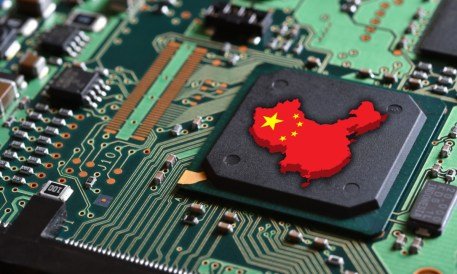
China is reportedly contemplating a ban on foreign access to its most advanced artificial intelligence (AI) models, a move that underscores the increasing significance of AI as a national asset. According to sources familiar with the discussions, the Chinese government has engaged major tech companies, including Alibaba and ByteDance, to explore limitations on both open-source and proprietary AI technologies. This initiative follows a series of government actions aimed at safeguarding domestic AI advancements within China, reflecting a broader trend where nations prioritize their technological sovereignty in the face of global competition, particularly with the United States.
During meetings led by the Ministry of Commerce, officials discussed the implications of restricting access to unreleased AI models and the potential criminalization of technology theft under national security laws. Furthermore, there are considerations regarding new funding restrictions for Chinese AI startups, which could reshape the investment landscape in the sector. This comes amid heightened concerns over intellectual property and the competitive dynamics of AI development.
In related developments, Alibaba has taken steps to limit its employees' use of external AI tools, specifically blocking access to Anthropic’s Claude Code following allegations of technology appropriation. This internal policy shift highlights the growing tensions between Chinese firms and foreign AI developers, as companies seek to protect their proprietary technologies. Additionally, new regulations targeting AI chatbots, which are set to take effect soon, aim to address the psychological implications of AI companions, further complicating the operational environment for tech companies in China.
The potential restrictions on AI access could have far-reaching implications for global tech companies and investors, particularly those with interests in the burgeoning AI sector. For investors in the Gulf region, this development may signal a need to reassess the competitive landscape as local firms could face increased pressure to innovate independently. Furthermore, as China tightens its grip on AI technologies, the strategic positioning of Gulf startups and venture capitalists could become more critical in navigating the evolving dynamics of the global AI ecosystem.
During meetings led by the Ministry of Commerce, officials discussed the implications of restricting access to unreleased AI models and the potential criminalization of technology theft under national security laws. Furthermore, there are considerations regarding new funding restrictions for Chinese AI startups, which could reshape the investment landscape in the sector. This comes amid heightened concerns over intellectual property and the competitive dynamics of AI development.
In related developments, Alibaba has taken steps to limit its employees' use of external AI tools, specifically blocking access to Anthropic’s Claude Code following allegations of technology appropriation. This internal policy shift highlights the growing tensions between Chinese firms and foreign AI developers, as companies seek to protect their proprietary technologies. Additionally, new regulations targeting AI chatbots, which are set to take effect soon, aim to address the psychological implications of AI companions, further complicating the operational environment for tech companies in China.
The potential restrictions on AI access could have far-reaching implications for global tech companies and investors, particularly those with interests in the burgeoning AI sector. For investors in the Gulf region, this development may signal a need to reassess the competitive landscape as local firms could face increased pressure to innovate independently. Furthermore, as China tightens its grip on AI technologies, the strategic positioning of Gulf startups and venture capitalists could become more critical in navigating the evolving dynamics of the global AI ecosystem.
Source: PYMNTS