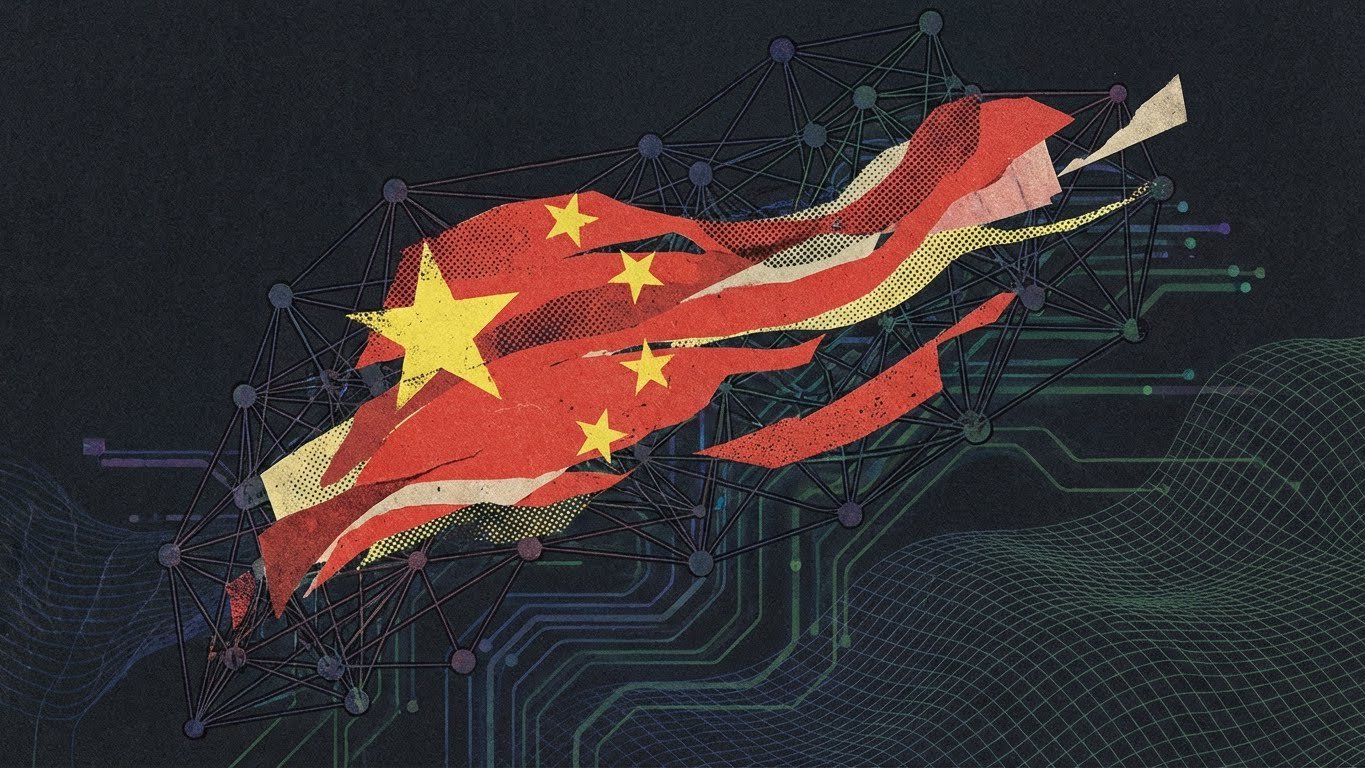
In a notable shift within the artificial intelligence landscape, Chinese tech giants ByteDance and Alibaba have announced the discontinuation of features that allowed users to create and interact with custom AI companions. This decision comes as a direct response to stringent new regulations imposed by the Chinese government, which aims to tighten control over AI technologies and their applications. The regulatory framework appears to be part of a broader initiative to ensure that AI development aligns with state policies and societal norms, reflecting the government's increasing scrutiny over the tech sector.
The move has significant implications for the user experience and engagement strategies of these platforms, which had been leveraging humanlike interactions to enhance user retention and satisfaction. By removing these features, both companies may risk losing a competitive edge in the rapidly evolving AI market, where personalization and user interaction are paramount. This regulatory action not only affects the domestic landscape but also sends ripples through global markets, as companies worldwide monitor the implications for AI governance.
As the regulatory environment becomes more complex, the impact on innovation and investment in AI technologies could be profound. Investors and startups in the AI space will need to navigate these challenges carefully, as compliance costs and operational constraints may influence funding decisions and strategic directions. Moreover, this regulatory push could lead to a bifurcation in the AI market, with companies either adapting to stringent regulations or seeking more lenient environments abroad.
In the Gulf region, where AI is a focal point of economic diversification efforts, the developments in China may serve as a cautionary tale. Investors and entrepreneurs will need to consider the balance between innovation and regulatory compliance as they develop their AI strategies, especially in light of the region's ambitions to become a global hub for technology and innovation.
The move has significant implications for the user experience and engagement strategies of these platforms, which had been leveraging humanlike interactions to enhance user retention and satisfaction. By removing these features, both companies may risk losing a competitive edge in the rapidly evolving AI market, where personalization and user interaction are paramount. This regulatory action not only affects the domestic landscape but also sends ripples through global markets, as companies worldwide monitor the implications for AI governance.
As the regulatory environment becomes more complex, the impact on innovation and investment in AI technologies could be profound. Investors and startups in the AI space will need to navigate these challenges carefully, as compliance costs and operational constraints may influence funding decisions and strategic directions. Moreover, this regulatory push could lead to a bifurcation in the AI market, with companies either adapting to stringent regulations or seeking more lenient environments abroad.
In the Gulf region, where AI is a focal point of economic diversification efforts, the developments in China may serve as a cautionary tale. Investors and entrepreneurs will need to consider the balance between innovation and regulatory compliance as they develop their AI strategies, especially in light of the region's ambitions to become a global hub for technology and innovation.
Source: The Decoder