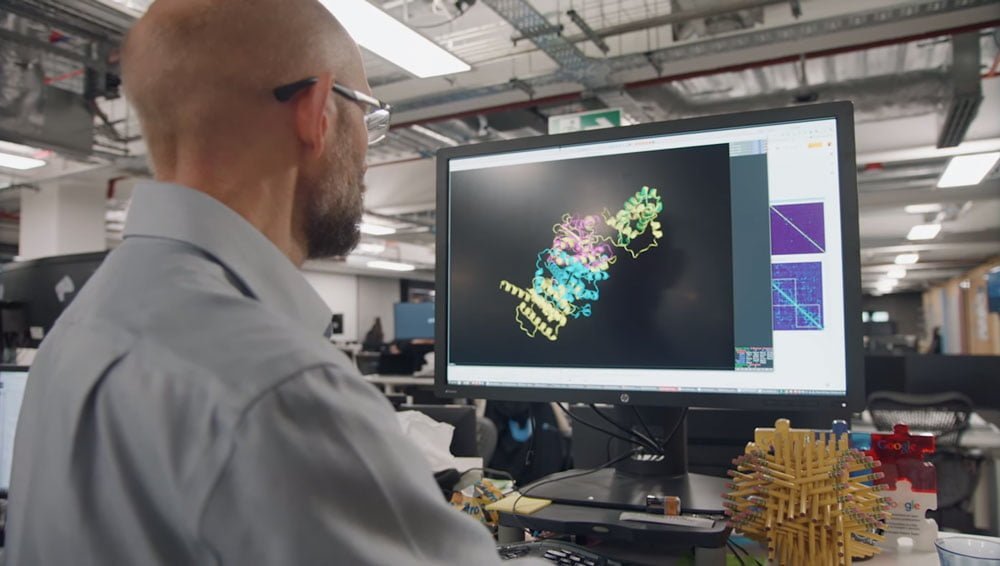
In a notable shift within the AI landscape, Google DeepMind has restructured its AlphaFold team, with a majority of its researchers redirecting their efforts to other projects. This realignment comes as nearly 25% of the original team has departed the company entirely, including several key authors who have chosen to join Anthropic, a rival AI firm focused on safety and alignment in artificial intelligence. The departure of these prominent figures marks a significant turning point for DeepMind, which gained prominence through its groundbreaking work on protein folding and its implications for biological research and drug discovery.
The restructuring of the AlphaFold team raises questions about the future direction of DeepMind's research initiatives. Once celebrated for its pioneering contributions to AI, the lab now faces the challenge of maintaining its competitive edge in a rapidly evolving sector. The loss of talent to Anthropic, which is gaining traction for its focus on ethical AI, suggests a potential shift in the priorities of AI researchers, who may increasingly seek environments that align with their values around safety and responsible development.
As DeepMind pivots away from its original strategy, the broader implications for the AI sector are noteworthy. The departure of key researchers could lead to a fragmentation of expertise and innovation within the field, potentially benefiting competitors like Anthropic who are attracting top talent. This shift underscores the dynamic nature of the AI industry, where the competition for skilled researchers is intensifying, and the strategic choices of leading firms can significantly influence market dynamics and investment flows.
For investors and stakeholders in the AI and tech sectors, this development serves as a reminder of the volatility inherent in cutting-edge research environments. The ability of firms to attract and retain top talent is crucial for driving innovation and securing competitive advantages. As DeepMind navigates this transition, it will be essential to monitor how these changes affect its research output and market position, as well as the broader implications for investment in AI technologies.
The restructuring of the AlphaFold team raises questions about the future direction of DeepMind's research initiatives. Once celebrated for its pioneering contributions to AI, the lab now faces the challenge of maintaining its competitive edge in a rapidly evolving sector. The loss of talent to Anthropic, which is gaining traction for its focus on ethical AI, suggests a potential shift in the priorities of AI researchers, who may increasingly seek environments that align with their values around safety and responsible development.
As DeepMind pivots away from its original strategy, the broader implications for the AI sector are noteworthy. The departure of key researchers could lead to a fragmentation of expertise and innovation within the field, potentially benefiting competitors like Anthropic who are attracting top talent. This shift underscores the dynamic nature of the AI industry, where the competition for skilled researchers is intensifying, and the strategic choices of leading firms can significantly influence market dynamics and investment flows.
For investors and stakeholders in the AI and tech sectors, this development serves as a reminder of the volatility inherent in cutting-edge research environments. The ability of firms to attract and retain top talent is crucial for driving innovation and securing competitive advantages. As DeepMind navigates this transition, it will be essential to monitor how these changes affect its research output and market position, as well as the broader implications for investment in AI technologies.
Source: The Decoder