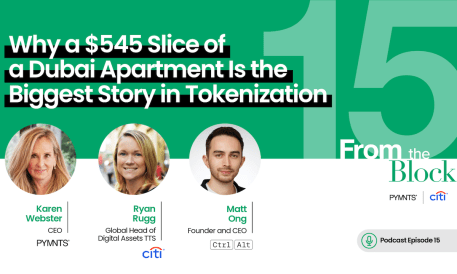
Dubai is making headlines in the blockchain space with its groundbreaking approach to real estate tokenization, which directly integrates property ownership with the land registry. This innovative framework allows for fractional ownership of real estate, lowering the barrier for entry to as little as $545 for a share of an apartment. Unlike previous models that relied on special-purpose vehicles (SPVs), which often added layers of complexity and cost, Dubai's system connects digital tokens to an authoritative ownership record, streamlining the investment process and reducing friction for investors. This development is particularly noteworthy given Dubai's relatively advanced digital land records and centralized regulatory environment, which support the scalability of such initiatives.
The real potential of this tokenization model lies in its ability to facilitate atomic settlement, where both asset ownership and payment can occur simultaneously. However, achieving this requires a robust infrastructure that includes regulated digital currencies and interoperability between traditional banking systems and blockchain networks. As industry leaders emphasize, the success of tokenized assets will depend not only on the technology itself but also on the financial ecosystem that supports it. Without a seamless connection between tokenized and conventional currencies, the promise of instant transactions remains unfulfilled, leaving traditional banking processes as a bottleneck.
While the model may be challenging to replicate in markets with extensive paper-based records, such as the United States, Dubai's initiative highlights a growing competition among jurisdictions to attract investment through innovative asset management solutions. The implications for the Gulf region are profound, as this approach could pave the way for broader adoption of tokenization across various asset classes, including private equity and infrastructure projects. As the market evolves, the focus will shift from merely placing assets on-chain to addressing the underlying administrative and legal frameworks that govern ownership and transferability.
Looking ahead, experts predict that the adoption of tokenization will extend beyond illiquid assets like real estate, potentially transforming the landscape for public equities and other liquid instruments. The alignment of ownership records, legal authority, and market infrastructure in Dubai serves as a case study for how solving complex challenges can unlock significant economic opportunities in the region.
The real potential of this tokenization model lies in its ability to facilitate atomic settlement, where both asset ownership and payment can occur simultaneously. However, achieving this requires a robust infrastructure that includes regulated digital currencies and interoperability between traditional banking systems and blockchain networks. As industry leaders emphasize, the success of tokenized assets will depend not only on the technology itself but also on the financial ecosystem that supports it. Without a seamless connection between tokenized and conventional currencies, the promise of instant transactions remains unfulfilled, leaving traditional banking processes as a bottleneck.
While the model may be challenging to replicate in markets with extensive paper-based records, such as the United States, Dubai's initiative highlights a growing competition among jurisdictions to attract investment through innovative asset management solutions. The implications for the Gulf region are profound, as this approach could pave the way for broader adoption of tokenization across various asset classes, including private equity and infrastructure projects. As the market evolves, the focus will shift from merely placing assets on-chain to addressing the underlying administrative and legal frameworks that govern ownership and transferability.
Looking ahead, experts predict that the adoption of tokenization will extend beyond illiquid assets like real estate, potentially transforming the landscape for public equities and other liquid instruments. The alignment of ownership records, legal authority, and market infrastructure in Dubai serves as a case study for how solving complex challenges can unlock significant economic opportunities in the region.
Source: PYMNTS