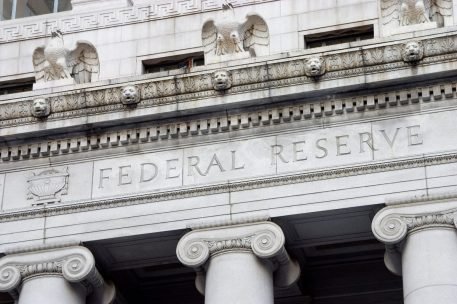
In a significant move to strengthen the fight against financial crime, the Federal Reserve Board has announced plans to amend its anti-money laundering (AML) program requirements for banks. The proposed changes, unveiled in a notice of rulemaking, will compel financial institutions to allocate their AML resources more effectively by focusing on higher-risk customers and activities. This initiative aims to enhance the overall efficacy of AML programs by incorporating the Financial Crimes Enforcement Network’s (FinCEN) newly established AML priorities into banks' risk assessment frameworks. The Federal Reserve's proposal follows similar recommendations made by FinCEN and other regulatory bodies, including the Office of the Comptroller of the Currency (OCC) and the Federal Deposit Insurance Corporation (FDIC), earlier this year.
The proposed regulations, which received a 6-1 approval from the Federal Reserve Board, also signal a shift in supervisory and enforcement practices. The Fed intends to concentrate its oversight on banks that fail to adequately implement their AML programs, thereby holding financial institutions accountable for compliance. However, dissenting Governor Michael S. Barr raised concerns about the introduction of an undefined standard for enforcement actions, cautioning that it could undermine the Fed's ability to ensure robust AML and counter-terrorism financing (CFT) measures are in place.
The regulatory overhaul comes at a time when the Treasury Department is advocating for a more streamlined approach to compliance, emphasizing the need for financial institutions to focus on effectively countering illicit finance rather than being bogged down by excessive paperwork. Secretary of the Treasury Scott Bessent has articulated a vision where success is measured by the ability to prevent bad actors from accessing the financial system, rather than the volume of compliance documentation submitted by banks. This shift could potentially lead to a more efficient allocation of resources within financial institutions, allowing them to enhance their risk management capabilities.
As the landscape of financial regulation continues to evolve, the implications for banks and fintech companies could be profound. By adopting a risk-based approach to AML compliance, financial institutions may find new opportunities to innovate and streamline their operations. This is particularly relevant for startups and fintech firms in the Gulf region, where regulatory compliance is often a significant barrier to entry. The proposed changes could pave the way for more agile compliance solutions, enabling these companies to better navigate the regulatory environment while still addressing the critical issue of financial crime prevention.
The proposed regulations, which received a 6-1 approval from the Federal Reserve Board, also signal a shift in supervisory and enforcement practices. The Fed intends to concentrate its oversight on banks that fail to adequately implement their AML programs, thereby holding financial institutions accountable for compliance. However, dissenting Governor Michael S. Barr raised concerns about the introduction of an undefined standard for enforcement actions, cautioning that it could undermine the Fed's ability to ensure robust AML and counter-terrorism financing (CFT) measures are in place.
The regulatory overhaul comes at a time when the Treasury Department is advocating for a more streamlined approach to compliance, emphasizing the need for financial institutions to focus on effectively countering illicit finance rather than being bogged down by excessive paperwork. Secretary of the Treasury Scott Bessent has articulated a vision where success is measured by the ability to prevent bad actors from accessing the financial system, rather than the volume of compliance documentation submitted by banks. This shift could potentially lead to a more efficient allocation of resources within financial institutions, allowing them to enhance their risk management capabilities.
As the landscape of financial regulation continues to evolve, the implications for banks and fintech companies could be profound. By adopting a risk-based approach to AML compliance, financial institutions may find new opportunities to innovate and streamline their operations. This is particularly relevant for startups and fintech firms in the Gulf region, where regulatory compliance is often a significant barrier to entry. The proposed changes could pave the way for more agile compliance solutions, enabling these companies to better navigate the regulatory environment while still addressing the critical issue of financial crime prevention.
Source: PYMNTS