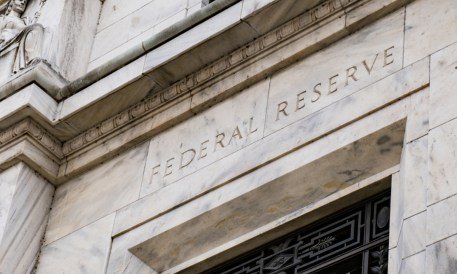
The Federal Reserve is seeking to streamline access to its payment services for certain eligible institutions through a proposed framework that introduces a special-purpose Payment Account. This initiative, part of the Fed's Proposed Revisions to its Policy on Payment System Risk, aims to foster innovation in the private sector while maintaining necessary oversight. However, the initiative has sparked significant debate among banks and fintech companies, particularly regarding the implications of access to the Automated Clearing House (FedACH) network, which is vital for many payment operations. The proposed accounts would not include FedACH access, a decision that has drawn criticism from the Financial Technology Association, which argues that such exclusion undermines the utility of the new accounts for payment businesses reliant on ACH transactions, including payroll and government disbursements.
Community banks have also expressed concerns, advocating for stricter oversight of institutions granted direct access to Federal Reserve payment systems. They argue that allowing non-federally insured institutions to access these systems without equivalent regulatory safeguards poses risks, particularly in areas like anti-money laundering (AML) compliance. Some banks have suggested that the Fed should impose initial limits on account balances and require ongoing reviews to mitigate potential risks. The Fed's proposal aims to balance innovation with risk management, but the varied responses highlight the complexities of integrating fintechs into the existing banking framework.
As the comment period closes, the Fed faces critical decisions on how to structure these accounts, including whether to allow FedACH access and what additional oversight might be necessary for non-federally insured institutions. The outcome will not only shape the future of payment processing in the U.S. but could also influence similar discussions in other markets, including the Gulf region, where fintech innovation is rapidly evolving. The Fed's approach could set a precedent for how financial infrastructure is accessed and regulated, impacting the competitive landscape for both traditional banks and emerging fintech firms.
Community banks have also expressed concerns, advocating for stricter oversight of institutions granted direct access to Federal Reserve payment systems. They argue that allowing non-federally insured institutions to access these systems without equivalent regulatory safeguards poses risks, particularly in areas like anti-money laundering (AML) compliance. Some banks have suggested that the Fed should impose initial limits on account balances and require ongoing reviews to mitigate potential risks. The Fed's proposal aims to balance innovation with risk management, but the varied responses highlight the complexities of integrating fintechs into the existing banking framework.
As the comment period closes, the Fed faces critical decisions on how to structure these accounts, including whether to allow FedACH access and what additional oversight might be necessary for non-federally insured institutions. The outcome will not only shape the future of payment processing in the U.S. but could also influence similar discussions in other markets, including the Gulf region, where fintech innovation is rapidly evolving. The Fed's approach could set a precedent for how financial infrastructure is accessed and regulated, impacting the competitive landscape for both traditional banks and emerging fintech firms.
Source: PYMNTS