
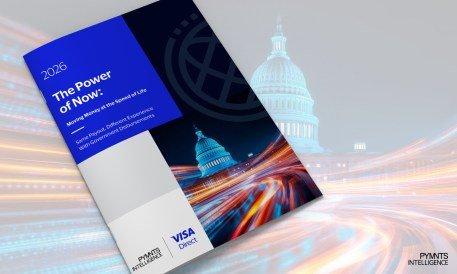
A collaborative study by PYMNTS Intelligence and Visa Direct has uncovered that a staggering 63% of Gen Z recipients face difficulties when receiving government disbursements. The report, titled 'Moving Money at the Speed of Life: Same Payout, Different Experience With Government Disbursements,' emphasizes that younger consumers, particularly Gen Z and millennials, experience greater friction compared to older generations. Issues such as delayed payments, unclear availability of funds, and cumbersome identity verification processes not only inconvenience these consumers but also compel them to delay bill payments or resort to costly borrowing options. This friction creates a dual burden, impacting both consumers who lose financial flexibility and government agencies that must manage increased inquiries and service requests due to payment delays.
The findings suggest that the current state of government disbursements is misaligned with the expectations of younger consumers who are accustomed to instant transactions in the private sector. The report advocates for the adoption of faster, more secure disbursement methods, such as real-time deposits via debit cards, which could alleviate financial stress for recipients and enhance their overall experience with public payment systems. By streamlining these processes, agencies could also reduce operational costs associated with managing payment-related inquiries.
As the demand for speed and convenience in financial transactions continues to rise, the report highlights an opportunity for innovation within the public sector. By modernizing payment systems to match the rapid pace of technological advancements in the private sector, government agencies could not only improve service delivery but also restore confidence in public financial systems. The emphasis on faster disbursement methods could pave the way for a more efficient and responsive government, ultimately benefiting both consumers and agencies alike.
The findings suggest that the current state of government disbursements is misaligned with the expectations of younger consumers who are accustomed to instant transactions in the private sector. The report advocates for the adoption of faster, more secure disbursement methods, such as real-time deposits via debit cards, which could alleviate financial stress for recipients and enhance their overall experience with public payment systems. By streamlining these processes, agencies could also reduce operational costs associated with managing payment-related inquiries.
As the demand for speed and convenience in financial transactions continues to rise, the report highlights an opportunity for innovation within the public sector. By modernizing payment systems to match the rapid pace of technological advancements in the private sector, government agencies could not only improve service delivery but also restore confidence in public financial systems. The emphasis on faster disbursement methods could pave the way for a more efficient and responsive government, ultimately benefiting both consumers and agencies alike.
Source: PYMNTS