
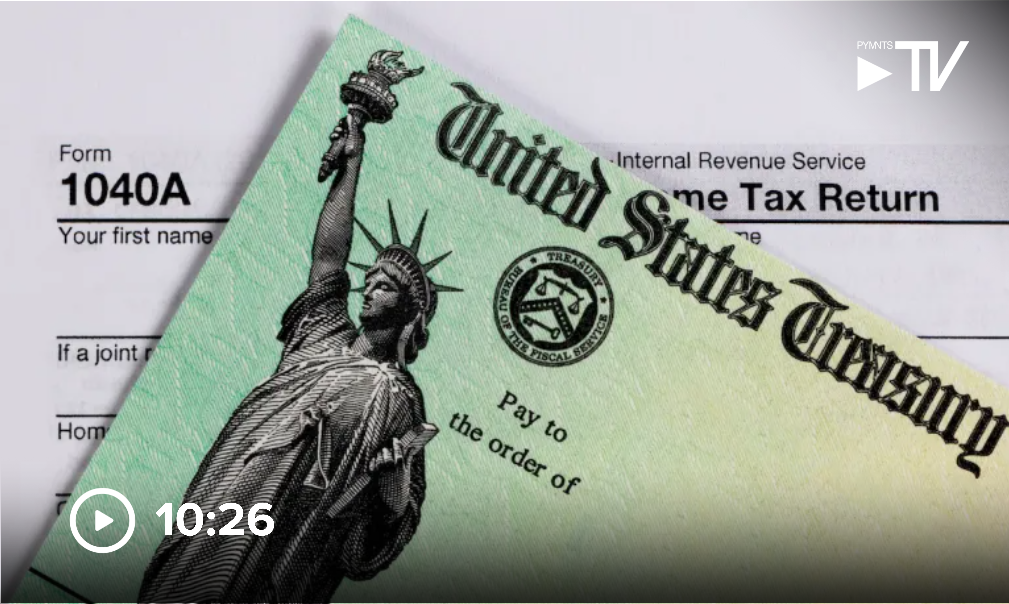
The landscape of public finance is undergoing a significant transformation as fast payment systems redefine the expectations of taxpayers and government agencies alike. With the increasing demand for swift and secure tax refunds, public entities are compelled to evolve their payment processes, moving away from outdated methods reliant on mailed checks. Shari Freidenrich, the treasurer-tax collector for Orange County, California, highlights the structural challenges that hinder modernization, noting that many agencies lack the competitive pressure to innovate. Despite the existing reliance on paper-based workflows, the growing preference for electronic payments is evident, with approximately 75% of property tax payments in Orange County now processed electronically.
The shift towards faster payment options is not merely about speed; it encompasses the need for security and convenience, which are crucial for maintaining public trust. As taxpayers increasingly expect digital interactions akin to those in the private sector, the introduction of multiple payout methods, including debit cards and digital wallets, is becoming essential. This approach mitigates concerns over sharing sensitive bank information while ensuring timely disbursements. Furthermore, the federal government’s push towards electronic payments signals a broader trend that local governments may soon follow, as inefficiencies associated with paper checks become increasingly untenable.
Beyond tax refunds, the implications of faster payments extend to vendor transactions and benefit disbursements, reducing administrative burdens and enhancing operational efficiency. The potential for digital payments to eliminate uncashed checks and streamline financial processes presents a compelling case for government agencies to adopt modern payment systems. Ultimately, as Freidenrich asserts, aligning government finance with contemporary expectations not only fosters trust but also empowers taxpayers to utilize their funds more effectively, benefiting local economies and businesses.
The shift towards faster payment options is not merely about speed; it encompasses the need for security and convenience, which are crucial for maintaining public trust. As taxpayers increasingly expect digital interactions akin to those in the private sector, the introduction of multiple payout methods, including debit cards and digital wallets, is becoming essential. This approach mitigates concerns over sharing sensitive bank information while ensuring timely disbursements. Furthermore, the federal government’s push towards electronic payments signals a broader trend that local governments may soon follow, as inefficiencies associated with paper checks become increasingly untenable.
Beyond tax refunds, the implications of faster payments extend to vendor transactions and benefit disbursements, reducing administrative burdens and enhancing operational efficiency. The potential for digital payments to eliminate uncashed checks and streamline financial processes presents a compelling case for government agencies to adopt modern payment systems. Ultimately, as Freidenrich asserts, aligning government finance with contemporary expectations not only fosters trust but also empowers taxpayers to utilize their funds more effectively, benefiting local economies and businesses.
Source: PYMNTS



