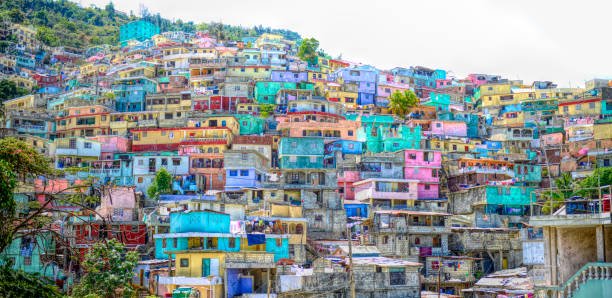
Haiti's fintech landscape presents a complex narrative, starkly different from the typical emerging-market success stories characterized by rapid growth and investor enthusiasm. Instead, it operates within a challenging environment marked by political instability, rampant gang violence, and a crumbling infrastructure. As the economy continues to contract, with a real GDP decline of 2.7% last year and inflation soaring to an average of 28.3%, the role of fintech transcends mere convenience; it becomes essential for maintaining economic life. The pressing question is not whether Haiti can emerge as a fintech hub, but rather how digital finance can sustain everyday transactions in a country where traditional systems are under severe strain.
Remittances are at the heart of Haiti's financial ecosystem, accounting for a significant portion of GDP and serving as a critical source of income for many households. With millions of Haitians living abroad, the ability to receive money safely and efficiently is paramount. Digital platforms like MonCash and Natcash are pivotal, enabling users to manage funds, make payments, and conduct transactions without the need for physical banking infrastructure. However, the broader impact of these remittances hinges on their integration into a more inclusive financial ecosystem, where digital wallets and payment systems can facilitate savings and business transactions.
Despite the potential of mobile money services, the challenges are substantial. Issues such as unreliable electricity, limited mobile connectivity, and a lack of consumer trust hinder the widespread adoption of digital finance. Financial inclusion remains a significant barrier, as many Haitians lack access to formal banking services and the digital literacy required to navigate these new financial tools. Moreover, the informal nature of many small businesses complicates their ability to engage with digital platforms, limiting their access to credit and financial growth opportunities.
The role of regulatory bodies like the Banque de la République d’Haïti is crucial in this fragile landscape. They must strike a delicate balance between fostering innovation and ensuring consumer protection as digital finance becomes increasingly integral to daily life. Development initiatives aimed at expanding broadband access and enhancing digital infrastructure are essential for creating a sustainable fintech environment. Ultimately, while fintech cannot address Haiti's broader political and humanitarian crises, it holds the promise of enabling safer financial transactions and supporting small businesses in a country where every financial interaction counts.
Remittances are at the heart of Haiti's financial ecosystem, accounting for a significant portion of GDP and serving as a critical source of income for many households. With millions of Haitians living abroad, the ability to receive money safely and efficiently is paramount. Digital platforms like MonCash and Natcash are pivotal, enabling users to manage funds, make payments, and conduct transactions without the need for physical banking infrastructure. However, the broader impact of these remittances hinges on their integration into a more inclusive financial ecosystem, where digital wallets and payment systems can facilitate savings and business transactions.
Despite the potential of mobile money services, the challenges are substantial. Issues such as unreliable electricity, limited mobile connectivity, and a lack of consumer trust hinder the widespread adoption of digital finance. Financial inclusion remains a significant barrier, as many Haitians lack access to formal banking services and the digital literacy required to navigate these new financial tools. Moreover, the informal nature of many small businesses complicates their ability to engage with digital platforms, limiting their access to credit and financial growth opportunities.
The role of regulatory bodies like the Banque de la République d’Haïti is crucial in this fragile landscape. They must strike a delicate balance between fostering innovation and ensuring consumer protection as digital finance becomes increasingly integral to daily life. Development initiatives aimed at expanding broadband access and enhancing digital infrastructure are essential for creating a sustainable fintech environment. Ultimately, while fintech cannot address Haiti's broader political and humanitarian crises, it holds the promise of enabling safer financial transactions and supporting small businesses in a country where every financial interaction counts.
Source: The Fintech Times