A recent report from PYMNTS reveals that escalating healthcare costs are significantly undermining consumer confidence across various demographics in the United States. The survey, which included 2,747 adults, highlighted that 51% of consumers are struggling to manage daily living expenses, a figure that has remained stable since October. However, the data indicates that healthcare expenditures are becoming a critical factor in this financial distress, akin to an additional monthly rent for many households. This recurring financial pressure is reshaping household budgets and diminishing confidence in consumers' financial stability.
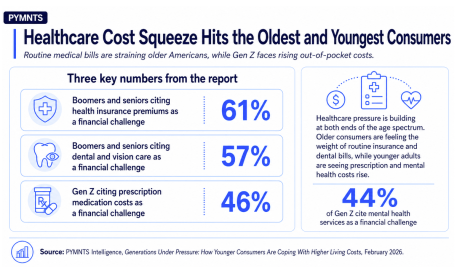
Particularly alarming is the impact on older consumers, with 57% of baby boomers and seniors reporting difficulties with dental and vision costs, marking a 13 percentage-point increase since October. Health insurance concerns have also risen, affecting 61% of this demographic, while 55% expressed anxiety over medical bills and copays. Conversely, younger consumers, specifically Generation Z, are facing their own challenges, with 46% citing prescription costs as a significant burden—up 12 points in just three months. Mental health expenses have similarly surged, indicating a broader trend of increasing out-of-pocket healthcare costs.
The report underscores a decline in the effectiveness of cost-management strategies, with only 25% of consumers finding their methods to be very effective, a drop of nine points since October. Notably, those employing multiple coping strategies saw their confidence plummet to 21%. This presents a clear opportunity for banks, fintech companies, and healthcare payment providers to innovate solutions that simplify the management of these recurring costs. Predictable billing and flexible payment options could be particularly beneficial for older consumers, while younger demographics may favor transparent pricing and real-time expense tracking.
The findings also reveal a proactive consumer base, with 69% of respondents cutting everyday spending and 52% postponing major purchases. As consumer confidence wanes, financial providers that can alleviate the uncertainty surrounding healthcare expenses may empower households to regain control over their finances. This shift not only highlights the urgent need for innovative financial solutions but also reflects broader economic trends that could influence investment strategies in the Gulf region, where similar pressures may emerge as healthcare costs continue to rise.
Particularly alarming is the impact on older consumers, with 57% of baby boomers and seniors reporting difficulties with dental and vision costs, marking a 13 percentage-point increase since October. Health insurance concerns have also risen, affecting 61% of this demographic, while 55% expressed anxiety over medical bills and copays. Conversely, younger consumers, specifically Generation Z, are facing their own challenges, with 46% citing prescription costs as a significant burden—up 12 points in just three months. Mental health expenses have similarly surged, indicating a broader trend of increasing out-of-pocket healthcare costs.
The report underscores a decline in the effectiveness of cost-management strategies, with only 25% of consumers finding their methods to be very effective, a drop of nine points since October. Notably, those employing multiple coping strategies saw their confidence plummet to 21%. This presents a clear opportunity for banks, fintech companies, and healthcare payment providers to innovate solutions that simplify the management of these recurring costs. Predictable billing and flexible payment options could be particularly beneficial for older consumers, while younger demographics may favor transparent pricing and real-time expense tracking.
The findings also reveal a proactive consumer base, with 69% of respondents cutting everyday spending and 52% postponing major purchases. As consumer confidence wanes, financial providers that can alleviate the uncertainty surrounding healthcare expenses may empower households to regain control over their finances. This shift not only highlights the urgent need for innovative financial solutions but also reflects broader economic trends that could influence investment strategies in the Gulf region, where similar pressures may emerge as healthcare costs continue to rise.
Source: PYMNTS