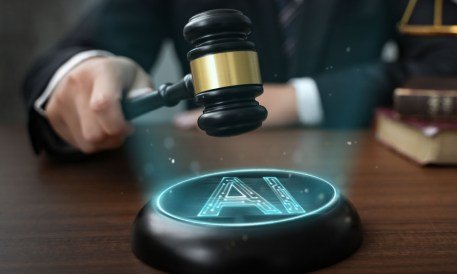
In a significant move for artificial intelligence regulation, Illinois Governor JB Pritzker has signed the Artificial Intelligence Safety Measures Act, which mandates that large AI companies undergo annual audits to ensure the safety of their systems before public deployment. This legislation targets firms generating over $500 million in annual revenue and is designed to mitigate catastrophic risks associated with AI technologies. The law, which draws inspiration from similar measures in California and New York, aims to establish a framework for accountability and transparency in the rapidly evolving AI landscape. Companies must disclose how they identify and manage potential threats, with strict reporting requirements for harmful incidents.
The Illinois law stands out by requiring yearly third-party audits, a first of its kind in the United States, contrasting with New York's single audit requirement. While supporters argue that the risks posed by AI are immediate and tangible, critics, including industry groups like TechNet, have expressed concerns about the subjective nature of safety evaluations without clear national standards. Nevertheless, the bipartisan support for the bill, which passed unanimously in the House, indicates a growing consensus on the need for regulatory oversight in the AI sector.
With penalties reaching up to $3 million for repeat offenses, the law underscores the seriousness with which Illinois is approaching AI safety. As the legislation takes effect on January 1, 2028, it provides a window for companies to adapt and for other states to consider similar regulations. Lawmakers have hinted at extending these safety measures to other sectors, such as healthcare and education, suggesting a broader trend towards regulatory frameworks that govern AI applications across various industries.
The Illinois law stands out by requiring yearly third-party audits, a first of its kind in the United States, contrasting with New York's single audit requirement. While supporters argue that the risks posed by AI are immediate and tangible, critics, including industry groups like TechNet, have expressed concerns about the subjective nature of safety evaluations without clear national standards. Nevertheless, the bipartisan support for the bill, which passed unanimously in the House, indicates a growing consensus on the need for regulatory oversight in the AI sector.
With penalties reaching up to $3 million for repeat offenses, the law underscores the seriousness with which Illinois is approaching AI safety. As the legislation takes effect on January 1, 2028, it provides a window for companies to adapt and for other states to consider similar regulations. Lawmakers have hinted at extending these safety measures to other sectors, such as healthcare and education, suggesting a broader trend towards regulatory frameworks that govern AI applications across various industries.
Source: PYMNTS