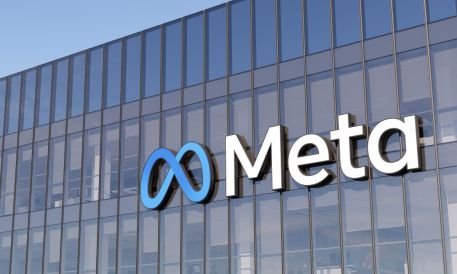
Meta is intensifying its focus on artificial intelligence, investing over $100 billion to develop a suite of AI capabilities designed to enhance workplace productivity. The company has introduced Muse Spark 1.1, an AI assistant that integrates with users' email and calendar systems to automate tasks such as generating presentation slides and conducting multi-step research. This shift represents a significant evolution from Meta's traditional consumer-focused applications to a more enterprise-oriented approach, positioning the company to compete directly with established players like Microsoft and Google in the productivity software space.
The integration of AI into workplace tools aligns with broader trends in enterprise technology, where companies increasingly seek solutions that streamline operations and improve efficiency. Meta's extensive user base across platforms such as Facebook, Instagram, and WhatsApp provides a unique advantage in terms of reach. However, the challenge lies in converting casual users into trusted partners for work-related tasks, a transition that requires overcoming significant privacy and security concerns.
As Meta prepares to report its second-quarter results, investors are keenly watching for evidence that this substantial investment in AI is yielding tangible benefits beyond enhanced advertising capabilities. The company's previous earnings reports have shown a pattern of increased spending coupled with lofty promises, leading to a cautious investor sentiment. The introduction of Muse Spark 1.1 could signal a new revenue stream for Meta, potentially allowing it to monetize its AI offerings in a manner similar to Microsoft's Copilot, which charges for access to its suite of productivity tools.
This development could reshape the competitive landscape in the Gulf region, where businesses are increasingly adopting AI solutions to drive efficiency and innovation. For investors and founders alike, Meta's pivot towards enterprise AI could signal a shift in capital allocation strategies, as companies in the region evaluate the implications of this technology on their operations and competitive positioning.
The integration of AI into workplace tools aligns with broader trends in enterprise technology, where companies increasingly seek solutions that streamline operations and improve efficiency. Meta's extensive user base across platforms such as Facebook, Instagram, and WhatsApp provides a unique advantage in terms of reach. However, the challenge lies in converting casual users into trusted partners for work-related tasks, a transition that requires overcoming significant privacy and security concerns.
As Meta prepares to report its second-quarter results, investors are keenly watching for evidence that this substantial investment in AI is yielding tangible benefits beyond enhanced advertising capabilities. The company's previous earnings reports have shown a pattern of increased spending coupled with lofty promises, leading to a cautious investor sentiment. The introduction of Muse Spark 1.1 could signal a new revenue stream for Meta, potentially allowing it to monetize its AI offerings in a manner similar to Microsoft's Copilot, which charges for access to its suite of productivity tools.
This development could reshape the competitive landscape in the Gulf region, where businesses are increasingly adopting AI solutions to drive efficiency and innovation. For investors and founders alike, Meta's pivot towards enterprise AI could signal a shift in capital allocation strategies, as companies in the region evaluate the implications of this technology on their operations and competitive positioning.
Source: PYMNTS