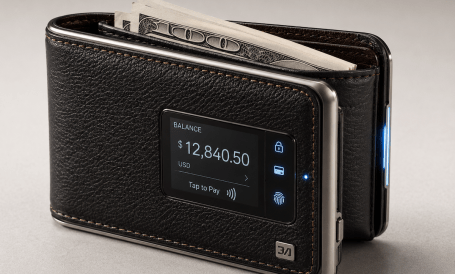
The rise of mobile wallets has blurred the lines between privacy-conscious consumers and fraudsters, as both groups seek to obscure their identities. This convergence poses significant challenges for the financial industry, particularly during the provisioning stage where card information is added to wallets. According to Bo Jiang, CEO of Lithic, fraudsters can exploit this process, appearing legitimate to downstream providers once they bypass initial checks. The industry's focus has traditionally been on transaction authorization, but the risk now begins much earlier in the payment flow, necessitating a reevaluation of how provisioning is scrutinized.
The challenge lies in the fact that both legitimate users and fraudsters can exhibit similar behaviors—such as using new devices or unfamiliar locations—making it difficult to differentiate between the two based solely on data signals. Lithic's experience with its Privacy.com service highlights this issue, as privacy-focused consumers often resemble fraudulent actors in data analysis. Jiang emphasizes that understanding user intent is crucial, and this information resides with the issuers, who have deeper insights into customer behavior and history.
To mitigate the risks associated with provisioning, Jiang advocates for enhanced models that allow issuers to refine their fraud detection without alienating genuine customers. By employing techniques like shadow mode and backtesting, issuers can test new rules against live data without impacting real transactions, thus minimizing the risk of false positives. As wallets transition from simple credential storage to becoming integral gatekeepers in AI-driven commerce, the need for robust, customizable tokenization logic becomes paramount. This evolution will enable consumers to maintain control over their transactions while also safeguarding against potential fraud.
Ultimately, the challenge for mobile wallets is to reconcile the need for privacy with the imperative of fraud prevention. As the industry adapts to these complexities, the role of issuers in understanding customer intent will be more vital than ever. The future of mobile payments hinges on the ability to discern legitimate users from fraudsters at the point of provisioning, ensuring a secure and seamless experience for all parties involved.
The challenge lies in the fact that both legitimate users and fraudsters can exhibit similar behaviors—such as using new devices or unfamiliar locations—making it difficult to differentiate between the two based solely on data signals. Lithic's experience with its Privacy.com service highlights this issue, as privacy-focused consumers often resemble fraudulent actors in data analysis. Jiang emphasizes that understanding user intent is crucial, and this information resides with the issuers, who have deeper insights into customer behavior and history.
To mitigate the risks associated with provisioning, Jiang advocates for enhanced models that allow issuers to refine their fraud detection without alienating genuine customers. By employing techniques like shadow mode and backtesting, issuers can test new rules against live data without impacting real transactions, thus minimizing the risk of false positives. As wallets transition from simple credential storage to becoming integral gatekeepers in AI-driven commerce, the need for robust, customizable tokenization logic becomes paramount. This evolution will enable consumers to maintain control over their transactions while also safeguarding against potential fraud.
Ultimately, the challenge for mobile wallets is to reconcile the need for privacy with the imperative of fraud prevention. As the industry adapts to these complexities, the role of issuers in understanding customer intent will be more vital than ever. The future of mobile payments hinges on the ability to discern legitimate users from fraudsters at the point of provisioning, ensuring a secure and seamless experience for all parties involved.
Source: PYMNTS