
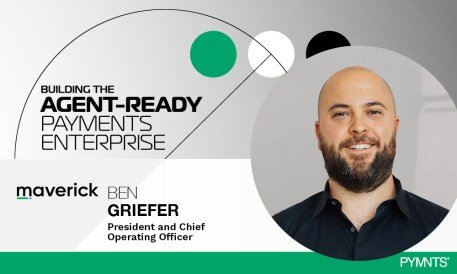
The integration of artificial intelligence into payments is reaching a critical juncture, as companies increasingly deploy AI agents capable of making autonomous decisions. Ben Griefer, President and COO of Maverick Payments, emphasizes the importance of delineating which decisions can be left to AI and which require human intervention. This distinction is crucial, particularly in high-stakes scenarios such as fraud detection and chargeback resolutions, where a misstep can have significant financial repercussions. While AI can enhance speed and efficiency in processing transactions, the potential for error necessitates a structured governance framework to ensure accountability remains firmly in human hands.
AI's role in payments is evolving from simple assistance to full-fledged decision-making capabilities, prompting firms to rethink their operational models. For instance, while AI can swiftly flag suspicious transactions, it is imperative that final decisions—especially those involving high-value disputes—are made by humans. This approach not only safeguards against costly mistakes but also aligns with customer expectations that accountability is maintained regardless of the technology employed. In the competitive landscape of payments, organizations that successfully navigate these complexities will likely emerge as leaders, as they balance the benefits of automation with the need for human oversight.
Moreover, the shift towards agentic capabilities is not merely an operational adjustment; it represents a fundamental change in how companies engage with their customers and partners. By leveraging AI to streamline processes such as onboarding and dispute resolution, firms can enhance their value propositions. However, these advancements must be accompanied by transparent governance structures that clarify the roles of AI and human agents alike. Companies that prioritize clear decision rights and accountability are better positioned to foster trust and loyalty in a rapidly evolving market.
Ultimately, the future of payments will hinge on organizations' ability to integrate AI responsibly, ensuring that while technology accelerates efficiency, the human element remains integral to decision-making processes. As firms in the Gulf region and beyond embrace these changes, the focus must remain on establishing robust frameworks that uphold accountability and mitigate risks associated with automation.
AI's role in payments is evolving from simple assistance to full-fledged decision-making capabilities, prompting firms to rethink their operational models. For instance, while AI can swiftly flag suspicious transactions, it is imperative that final decisions—especially those involving high-value disputes—are made by humans. This approach not only safeguards against costly mistakes but also aligns with customer expectations that accountability is maintained regardless of the technology employed. In the competitive landscape of payments, organizations that successfully navigate these complexities will likely emerge as leaders, as they balance the benefits of automation with the need for human oversight.
Moreover, the shift towards agentic capabilities is not merely an operational adjustment; it represents a fundamental change in how companies engage with their customers and partners. By leveraging AI to streamline processes such as onboarding and dispute resolution, firms can enhance their value propositions. However, these advancements must be accompanied by transparent governance structures that clarify the roles of AI and human agents alike. Companies that prioritize clear decision rights and accountability are better positioned to foster trust and loyalty in a rapidly evolving market.
Ultimately, the future of payments will hinge on organizations' ability to integrate AI responsibly, ensuring that while technology accelerates efficiency, the human element remains integral to decision-making processes. As firms in the Gulf region and beyond embrace these changes, the focus must remain on establishing robust frameworks that uphold accountability and mitigate risks associated with automation.
Source: PYMNTS



