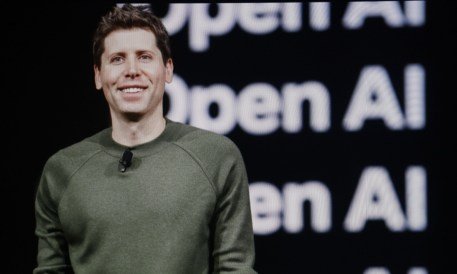
Sam Altman, CEO of OpenAI, is scheduled to meet with White House officials and U.S. lawmakers next week to discuss the company's forthcoming AI models and their potential impact on the workforce. This briefing follows remarks from Chris Lehane, OpenAI's Chief Global Affairs Officer, who highlighted the transformative capabilities of these models in enhancing productivity and scaling work processes. Lehane also stressed the importance of establishing a comprehensive AI strategy in the U.S. to maintain competitiveness against China and to ensure that cybersecurity experts can access advanced models safely and effectively.
During the briefing, Lehane underscored the necessity for a national standard in AI governance, indicating that OpenAI will collaborate with individual states to promote a unified approach. Recent legislative efforts in California, New York, and Illinois aim to establish a foundational safety framework for frontier AI models, which includes risk assessments and public disclosures of safety evaluations. This initiative could pave the way for a national standard and a globally recognized framework led by the U.S.
The discussion comes amidst growing concerns regarding AI safety, with the White House reportedly considering the establishment of a dedicated regulator for AI safety. This move follows industry pushback from Silicon Valley regarding recent restrictions on new AI models from companies like OpenAI and Anthropic. Additionally, Google DeepMind's CEO has called for an independent standards body to assess the national security implications of advanced AI models before their deployment, highlighting the urgent need for robust oversight in this rapidly evolving sector.
During the briefing, Lehane underscored the necessity for a national standard in AI governance, indicating that OpenAI will collaborate with individual states to promote a unified approach. Recent legislative efforts in California, New York, and Illinois aim to establish a foundational safety framework for frontier AI models, which includes risk assessments and public disclosures of safety evaluations. This initiative could pave the way for a national standard and a globally recognized framework led by the U.S.
The discussion comes amidst growing concerns regarding AI safety, with the White House reportedly considering the establishment of a dedicated regulator for AI safety. This move follows industry pushback from Silicon Valley regarding recent restrictions on new AI models from companies like OpenAI and Anthropic. Additionally, Google DeepMind's CEO has called for an independent standards body to assess the national security implications of advanced AI models before their deployment, highlighting the urgent need for robust oversight in this rapidly evolving sector.
Source: PYMNTS