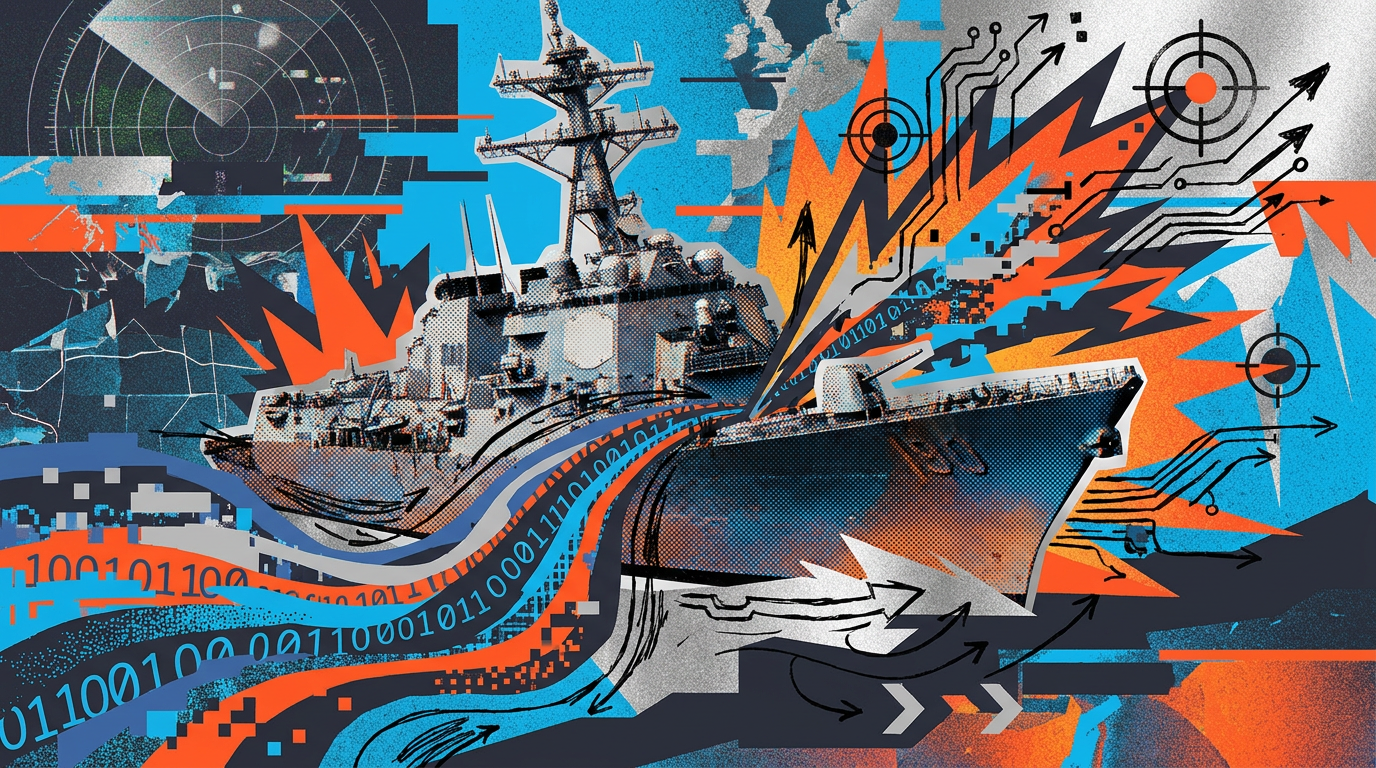
The United States Department of the Navy has unveiled a bold strategy aimed at integrating artificial intelligence and data analytics into its naval operations, marking a significant pivot towards an 'AI-first' approach in military technology. This initiative includes the deployment of large language models directly on warships and the establishment of an AI war council tasked with prioritizing mission scenarios. The overarching theme of the strategy is a recognition that the risks associated with slow adoption of AI capabilities outweigh the potential dangers of imperfect alignment in its deployment. This marks a critical juncture in how military entities perceive and implement AI technologies, reflecting a broader trend towards urgency in technological advancement within defense sectors.
The Navy's strategy not only underscores the importance of rapid technological integration but also sets a precedent for how military organizations may leverage AI to enhance operational effectiveness. By prioritizing speed over precision, the Navy aims to maintain a competitive edge in an increasingly complex geopolitical landscape. This approach could potentially reshape the dynamics of defense contracting and innovation, as companies that can deliver agile AI solutions may find themselves in high demand.
As the military sector embraces AI, the implications for startups and venture capitalists in the Gulf region are profound. The emphasis on rapid deployment and adaptability could drive investment towards companies specializing in AI technologies that cater to defense and security applications. Moreover, this shift could stimulate partnerships between military and civilian tech firms, fostering an environment ripe for innovation and growth in the AI space. The Gulf's burgeoning tech ecosystem may see increased interest from both local and international investors looking to capitalize on this emerging market segment.
The Navy's strategy not only underscores the importance of rapid technological integration but also sets a precedent for how military organizations may leverage AI to enhance operational effectiveness. By prioritizing speed over precision, the Navy aims to maintain a competitive edge in an increasingly complex geopolitical landscape. This approach could potentially reshape the dynamics of defense contracting and innovation, as companies that can deliver agile AI solutions may find themselves in high demand.
As the military sector embraces AI, the implications for startups and venture capitalists in the Gulf region are profound. The emphasis on rapid deployment and adaptability could drive investment towards companies specializing in AI technologies that cater to defense and security applications. Moreover, this shift could stimulate partnerships between military and civilian tech firms, fostering an environment ripe for innovation and growth in the AI space. The Gulf's burgeoning tech ecosystem may see increased interest from both local and international investors looking to capitalize on this emerging market segment.
Source: The Decoder