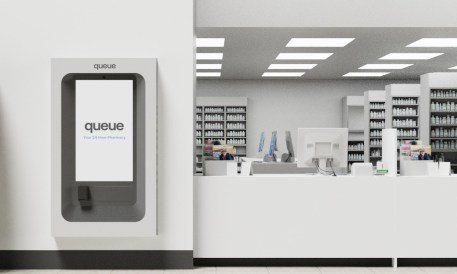
Queue, a California-based robotics startup, has emerged from stealth mode with a groundbreaking innovation: the world’s first fully autonomous pharmacy. This system, which can fill prescriptions in under 60 seconds, aims to tackle the alarming trend of pharmacy closures in the U.S., where one in three pharmacies has shut down between 2010 and 2021. With a reported funding of $18.6 million, Queue's technology utilizes advanced robotics and computer vision to automate the dispensing of 250 commonly prescribed medications, significantly reducing fulfillment costs by up to 96%, although this figure has not been independently verified. A major national pharmacy chain is currently testing a prototype, indicating potential commercial viability.
The operational model of Queue shifts the pharmacist's role away from mechanical tasks towards more critical functions such as drug interaction reviews and patient counseling. This could redefine how pharmacies operate, particularly in areas where traditional pharmacies are struggling to remain profitable. However, the implications of such automation are complex; while it may enhance access to routine medications, it raises concerns about the sustainability of full-service pharmacies that cater to patients with more complex needs.
Regulatory hurdles remain a significant challenge for Queue as it seeks to scale its operations. The company has yet to disclose the regulatory framework governing its prototype, and widespread deployment will require navigating state pharmacy board regulations and integrating with pharmacy benefit managers. The complexities of deploying AI in healthcare are compounded by existing legal and accountability structures that are not designed for autonomous systems, making the path to market anything but straightforward.
The operational model of Queue shifts the pharmacist's role away from mechanical tasks towards more critical functions such as drug interaction reviews and patient counseling. This could redefine how pharmacies operate, particularly in areas where traditional pharmacies are struggling to remain profitable. However, the implications of such automation are complex; while it may enhance access to routine medications, it raises concerns about the sustainability of full-service pharmacies that cater to patients with more complex needs.
Regulatory hurdles remain a significant challenge for Queue as it seeks to scale its operations. The company has yet to disclose the regulatory framework governing its prototype, and widespread deployment will require navigating state pharmacy board regulations and integrating with pharmacy benefit managers. The complexities of deploying AI in healthcare are compounded by existing legal and accountability structures that are not designed for autonomous systems, making the path to market anything but straightforward.
Source: PYMNTS