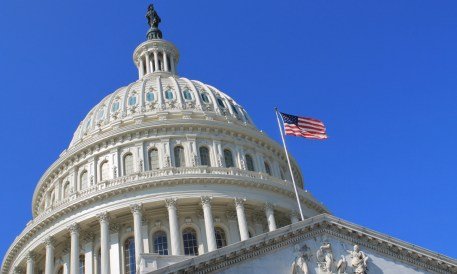
A report from the Government Accountability Office (GAO) has highlighted critical inefficiencies within U.S. banking regulatory agencies in their efforts to identify and address outdated rules. Despite the passage of the Economic Growth and Regulatory Paperwork Reduction Act (EGRPRA) in 1996, the GAO found that agencies lack documented procedures for recognizing unnecessary regulations and determining whether issues warrant action. This raises questions about the effectiveness of regulatory reviews and the potential for unaddressed burdens on financial institutions. The report suggests that without structured processes, agencies may not prioritize significant regulatory issues or understand the cumulative impact of multiple regulations on the banking sector.
The GAO's recommendations extend to key regulatory bodies, including the Federal Reserve, the Federal Deposit Insurance Corporation (FDIC), and the Office of the Comptroller of the Currency (OCC). It calls for these organizations to establish documented procedures for identifying and addressing outdated regulations during the EGRPRA review process. This lack of clarity in regulatory oversight comes at a time when the Federal Reserve is also planning to amend its anti-money laundering (AML) requirements, indicating a potential shift in focus toward more stringent compliance measures for banks.
In parallel developments, the House has passed The Main Street Capital Access Act, aimed at easing regulatory burdens for smaller banks. While supported by the banking industry, this legislation faces opposition from various advocacy groups that argue it undermines essential safeguards against systemic risk and consumer protection. The ongoing debate underscores the tension between regulatory efficiency and the necessity of maintaining robust protections in the financial sector, particularly in the wake of recent banking crises.
As the U.S. grapples with these regulatory challenges, the implications for the Gulf region's financial landscape could be significant. Investors and startups in the GCC are increasingly focused on the evolving regulatory environment, particularly as fintech innovations push the boundaries of traditional banking practices. A more streamlined regulatory framework in the U.S. could influence similar movements in the Gulf, where regulatory agility is crucial for fostering a vibrant startup ecosystem and attracting venture capital.
The GAO's recommendations extend to key regulatory bodies, including the Federal Reserve, the Federal Deposit Insurance Corporation (FDIC), and the Office of the Comptroller of the Currency (OCC). It calls for these organizations to establish documented procedures for identifying and addressing outdated regulations during the EGRPRA review process. This lack of clarity in regulatory oversight comes at a time when the Federal Reserve is also planning to amend its anti-money laundering (AML) requirements, indicating a potential shift in focus toward more stringent compliance measures for banks.
In parallel developments, the House has passed The Main Street Capital Access Act, aimed at easing regulatory burdens for smaller banks. While supported by the banking industry, this legislation faces opposition from various advocacy groups that argue it undermines essential safeguards against systemic risk and consumer protection. The ongoing debate underscores the tension between regulatory efficiency and the necessity of maintaining robust protections in the financial sector, particularly in the wake of recent banking crises.
As the U.S. grapples with these regulatory challenges, the implications for the Gulf region's financial landscape could be significant. Investors and startups in the GCC are increasingly focused on the evolving regulatory environment, particularly as fintech innovations push the boundaries of traditional banking practices. A more streamlined regulatory framework in the U.S. could influence similar movements in the Gulf, where regulatory agility is crucial for fostering a vibrant startup ecosystem and attracting venture capital.
Source: PYMNTS