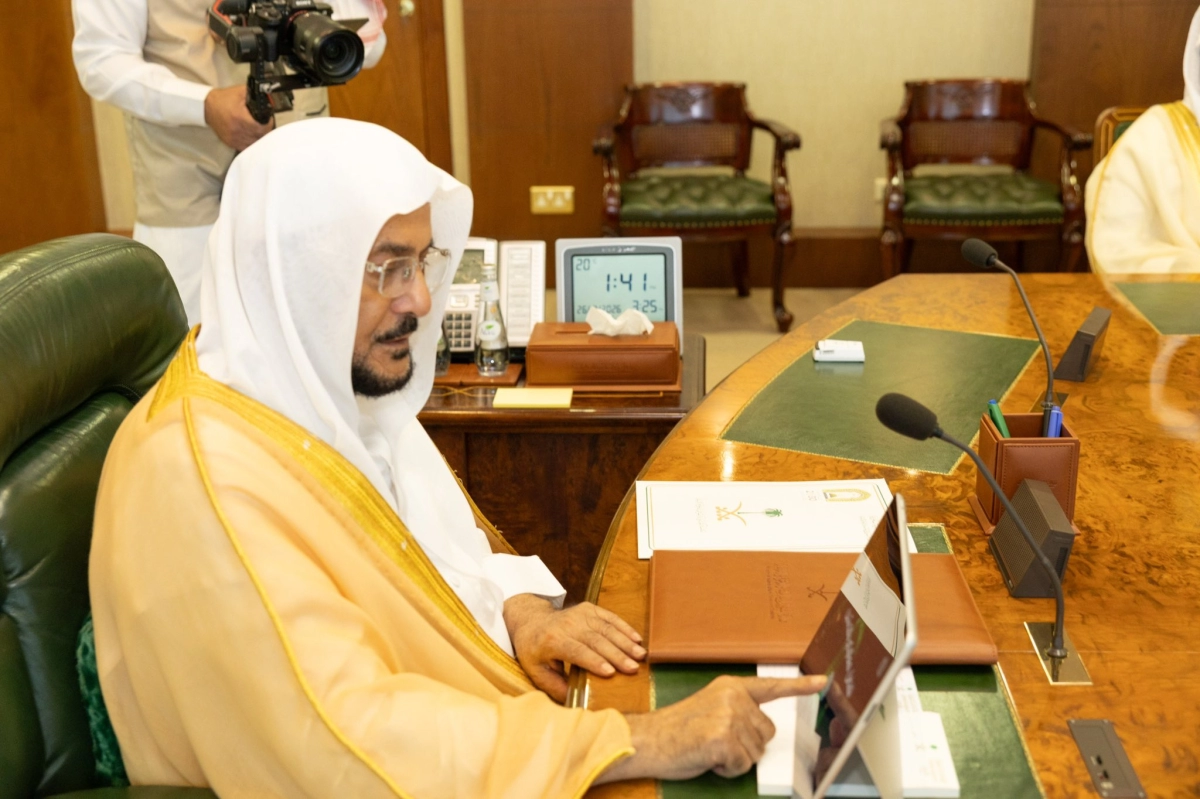
In a significant move towards enhancing digital governance, Saudi Arabia has unveiled a new digital card service for individuals embracing Islam. Launched by Sheikh Dr. Abdullatif Al Alsheikh, the Minister of Islamic Affairs, this initiative automates the entire application process, allowing users to submit requests electronically and receive approvals swiftly. The digital card will be integrated with the popular Tawakkalna app, ensuring immediate access upon approval and facilitating electronic verification through the Saudi Data and Artificial Intelligence Authority (SDAIA).
The new service aims not only to simplify the conversion process but also to improve the quality of data collected, enabling the ministry to generate accurate reports and statistics. Each digital card features a QR code, enhancing its authenticity and allowing authorities to confirm its official issuance. This integration of technology into religious services marks a noteworthy step in Saudi Arabia's broader digital transformation agenda.
The launch of the digital 'New Muslim' card reflects the government's commitment to modernizing public services and enhancing user experience. By leveraging digital platforms, the Ministry of Islamic Affairs is positioning itself to better serve both citizens and residents, thereby reinforcing the role of technology in facilitating religious practices. This initiative could also set a precedent for future digital services within the region, highlighting the potential for innovation in traditional sectors.
For investors and founders, this development underscores the growing intersection of technology and public service in the Gulf. As the Saudi government continues to invest in digital infrastructure, opportunities may arise for startups focusing on e-governance, data analytics, and mobile applications. The emphasis on improving data quality and operational efficiency could attract venture capital interested in scalable solutions that align with national digital transformation goals.
The new service aims not only to simplify the conversion process but also to improve the quality of data collected, enabling the ministry to generate accurate reports and statistics. Each digital card features a QR code, enhancing its authenticity and allowing authorities to confirm its official issuance. This integration of technology into religious services marks a noteworthy step in Saudi Arabia's broader digital transformation agenda.
The launch of the digital 'New Muslim' card reflects the government's commitment to modernizing public services and enhancing user experience. By leveraging digital platforms, the Ministry of Islamic Affairs is positioning itself to better serve both citizens and residents, thereby reinforcing the role of technology in facilitating religious practices. This initiative could also set a precedent for future digital services within the region, highlighting the potential for innovation in traditional sectors.
For investors and founders, this development underscores the growing intersection of technology and public service in the Gulf. As the Saudi government continues to invest in digital infrastructure, opportunities may arise for startups focusing on e-governance, data analytics, and mobile applications. The emphasis on improving data quality and operational efficiency could attract venture capital interested in scalable solutions that align with national digital transformation goals.
Source: Saudi Gazette