
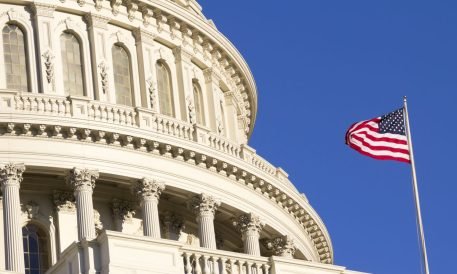
Senator Mark Warner (D-Va.) has launched a significant legislative initiative aimed at establishing federal oversight of artificial intelligence across various sectors, including finance, cybersecurity, and national security. In a recent Senate address, Warner emphasized the need for regulatory frameworks to be established before AI becomes too entrenched in the economy, potentially complicating governance. The proposed package, which encompasses six new bills and other measures, focuses on responsible infrastructure development, competition, workforce impact, and national security, highlighting the multifaceted challenges posed by AI technologies.
A key component of Warner's agenda is the reintroduction of the bipartisan Financial Artificial Intelligence Risk Reduction Act, which seeks to mandate that financial regulators address the risks associated with AI-generated content. As AI's capabilities evolve, concerns are mounting over its potential to manipulate financial markets through sophisticated deepfakes and misinformation. Warner stressed the importance of protecting financial markets and democratic institutions from these emerging threats, underscoring the urgency for proactive measures.
Warner's proposals also address the implications for banking and payments, particularly through the Artificial Intelligence Access, Gatekeeper Exchange, and Nondiscriminatory Transfer Act (AI AGENT Act). This legislation aims to establish rights and responsibilities for consumer-facing AI agents, ensuring they operate under fiduciary-like obligations to safeguard user interests. The implications for fintech and banking are profound, as autonomous AI agents could increasingly engage in transactions on behalf of consumers, raising critical questions about authentication, liability, and data security.
Additionally, Warner's agenda includes measures to enhance the sustainability of AI infrastructure, such as the Data Center Tax Accountability and Disclosure Act, which would require large data centers to disclose operational impacts. This aligns with broader trends toward environmental accountability in technology. The proposed National Workforce Transition Fund aims to address potential job disruptions caused by AI, particularly in sectors like finance and marketing, by providing retraining and support for affected workers. Warner's comprehensive approach seeks to guide AI innovation responsibly, ensuring that the lessons learned from the social media landscape are not repeated in the context of AI's rapid evolution.
A key component of Warner's agenda is the reintroduction of the bipartisan Financial Artificial Intelligence Risk Reduction Act, which seeks to mandate that financial regulators address the risks associated with AI-generated content. As AI's capabilities evolve, concerns are mounting over its potential to manipulate financial markets through sophisticated deepfakes and misinformation. Warner stressed the importance of protecting financial markets and democratic institutions from these emerging threats, underscoring the urgency for proactive measures.
Warner's proposals also address the implications for banking and payments, particularly through the Artificial Intelligence Access, Gatekeeper Exchange, and Nondiscriminatory Transfer Act (AI AGENT Act). This legislation aims to establish rights and responsibilities for consumer-facing AI agents, ensuring they operate under fiduciary-like obligations to safeguard user interests. The implications for fintech and banking are profound, as autonomous AI agents could increasingly engage in transactions on behalf of consumers, raising critical questions about authentication, liability, and data security.
Additionally, Warner's agenda includes measures to enhance the sustainability of AI infrastructure, such as the Data Center Tax Accountability and Disclosure Act, which would require large data centers to disclose operational impacts. This aligns with broader trends toward environmental accountability in technology. The proposed National Workforce Transition Fund aims to address potential job disruptions caused by AI, particularly in sectors like finance and marketing, by providing retraining and support for affected workers. Warner's comprehensive approach seeks to guide AI innovation responsibly, ensuring that the lessons learned from the social media landscape are not repeated in the context of AI's rapid evolution.
Source: PYMNTS