
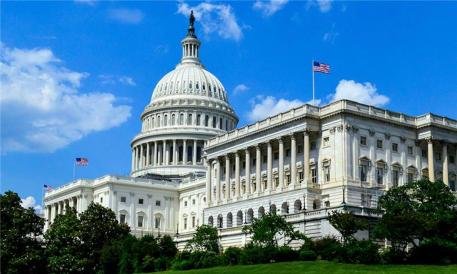
Senate Majority Leader John Thune has dampened expectations for the passage of the Clarity Act, a pivotal piece of legislation aimed at establishing a regulatory framework for digital assets in the United States. In comments made to reporters, Thune indicated that the bill is unlikely to reach a vote before the summer recess, which begins shortly before the November midterm elections. The Clarity Act, which seeks to delineate the jurisdictional responsibilities of the SEC and CFTC, is facing significant hurdles, primarily due to ethical concerns surrounding federal officials' involvement in digital assets. A revised draft of the bill introduced by Republicans has been met with skepticism from Democrats, who argue that it fails to adequately address the potential conflicts of interest involving former President Trump and his cryptocurrency activities.
Despite these challenges, the crypto industry remains vocal in its support for the Clarity Act. Industry organizations, including the Crypto Council for Innovation and the Blockchain Association, have urged Senate leaders to prioritize the bill, arguing that a clear regulatory framework is essential for protecting consumers and fostering innovation. They contend that the absence of federal guidelines leaves investors and developers in a precarious position, lacking the necessary protections to navigate the burgeoning digital asset landscape.
Some industry advocates, such as Kristin Smith from the Solana Policy Institute, have expressed optimism about the bill's prospects, asserting that there is a viable path to pass the Clarity Act before the upcoming recess. If enacted, the legislation would legalize most cryptocurrency activities in the U.S., potentially reshaping the regulatory environment for fintech and digital asset startups. However, the ongoing debate highlights the complexities and partisan divides that could impede progress in this rapidly evolving sector.
As the clock ticks down, the crypto community is rallying for swift action, emphasizing the importance of establishing a coherent regulatory framework to facilitate innovation and investment in digital assets. The outcome of this legislative effort could significantly impact capital allocation and market dynamics, not only in the U.S. but also in global markets, including the Gulf region, where fintech and digital asset initiatives are gaining momentum.
Despite these challenges, the crypto industry remains vocal in its support for the Clarity Act. Industry organizations, including the Crypto Council for Innovation and the Blockchain Association, have urged Senate leaders to prioritize the bill, arguing that a clear regulatory framework is essential for protecting consumers and fostering innovation. They contend that the absence of federal guidelines leaves investors and developers in a precarious position, lacking the necessary protections to navigate the burgeoning digital asset landscape.
Some industry advocates, such as Kristin Smith from the Solana Policy Institute, have expressed optimism about the bill's prospects, asserting that there is a viable path to pass the Clarity Act before the upcoming recess. If enacted, the legislation would legalize most cryptocurrency activities in the U.S., potentially reshaping the regulatory environment for fintech and digital asset startups. However, the ongoing debate highlights the complexities and partisan divides that could impede progress in this rapidly evolving sector.
As the clock ticks down, the crypto community is rallying for swift action, emphasizing the importance of establishing a coherent regulatory framework to facilitate innovation and investment in digital assets. The outcome of this legislative effort could significantly impact capital allocation and market dynamics, not only in the U.S. but also in global markets, including the Gulf region, where fintech and digital asset initiatives are gaining momentum.
Source: PYMNTS