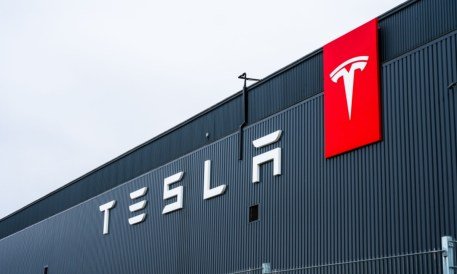
Tesla has entered a new frontier in robotics with the introduction of Optimus, a humanoid robot that learns by observing human actions rather than relying solely on pre-programmed instructions. During the company’s recent earnings call, CEO Elon Musk emphasized that Optimus represents a significant advancement in the robotics field, claiming it will be the first robot capable of performing generalized tasks through observational learning. This approach allows for scalability in production, as Optimus can continuously learn from the vast amounts of data generated in Tesla's factories and from human interactions, similar to the company's Full Self-Driving technology.
However, the road to mass production of Optimus is fraught with challenges. Unlike Tesla's automotive manufacturing, which benefits from an established supply chain, Optimus requires a completely new set of components and suppliers. Musk noted that the absence of a pre-existing supply chain for the robot means that Tesla is essentially building one from scratch, a task that is compounded by the complexity of the robot's design. The company is not only insourcing parts when necessary but is also collaborating with external suppliers for critical components like chips and batteries, with notable partnerships emerging, including a facility from Samsung in Texas.
While Optimus is a long-term investment, Tesla is concurrently advancing its robotaxi program, which has successfully logged over 380,000 miles of unsupervised driving with no significant incidents. This program demonstrates the practical application of the same observational learning principles that Optimus will employ. As the robotaxi fleet continues to grow exponentially, it offers a glimpse into the potential future of autonomous transportation and the role of AI in everyday life.
In the broader context of Tesla's financial performance, the company reported record deliveries in the second quarter, although automotive gross margins experienced a decline. The shift towards capital-intensive projects like Optimus and the expansion of its robotaxi fleet indicates a strategic pivot that could redefine Tesla's market position and investor expectations moving forward.
However, the road to mass production of Optimus is fraught with challenges. Unlike Tesla's automotive manufacturing, which benefits from an established supply chain, Optimus requires a completely new set of components and suppliers. Musk noted that the absence of a pre-existing supply chain for the robot means that Tesla is essentially building one from scratch, a task that is compounded by the complexity of the robot's design. The company is not only insourcing parts when necessary but is also collaborating with external suppliers for critical components like chips and batteries, with notable partnerships emerging, including a facility from Samsung in Texas.
While Optimus is a long-term investment, Tesla is concurrently advancing its robotaxi program, which has successfully logged over 380,000 miles of unsupervised driving with no significant incidents. This program demonstrates the practical application of the same observational learning principles that Optimus will employ. As the robotaxi fleet continues to grow exponentially, it offers a glimpse into the potential future of autonomous transportation and the role of AI in everyday life.
In the broader context of Tesla's financial performance, the company reported record deliveries in the second quarter, although automotive gross margins experienced a decline. The shift towards capital-intensive projects like Optimus and the expansion of its robotaxi fleet indicates a strategic pivot that could redefine Tesla's market position and investor expectations moving forward.
Source: PYMNTS