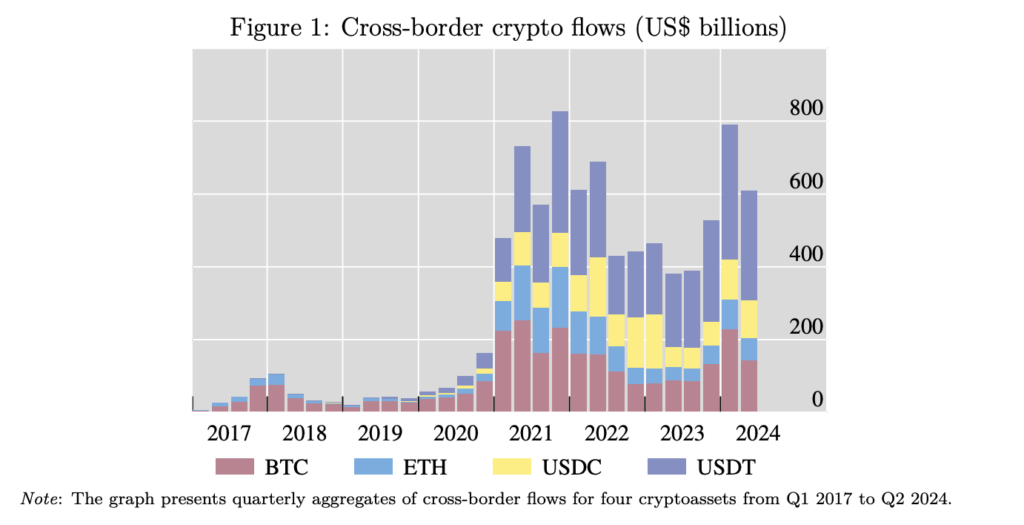
The stablecoin market in the United Arab Emirates is entering a significant phase of maturation, bolstered by a clear regulatory framework and advancements in digital asset infrastructure. According to a recent report by the MENA Fintech Association and Fireblocks, stablecoins are increasingly being utilized for cross-border payments, remittances, and business-to-business (B2B) transactions, addressing longstanding inefficiencies in traditional financial systems. The Bank for International Settlements highlights that stablecoins like USDT and USDC accounted for a substantial portion of the estimated $600 billion in cross-border payments in mid-2024, illustrating a marked rise from previous years. With the UAE positioned as the world's second-largest outbound remittance hub, the demand for efficient and cost-effective transfer solutions is more pressing than ever, particularly as outward remittances reached AED 183 billion in 2024, primarily directed to countries such as India and Pakistan.
B2B payments are another promising avenue for stablecoin adoption in the UAE, where businesses are increasingly seeking faster and more transparent transaction methods. The integration of stablecoins into payment infrastructures is reported to have significantly improved operational efficiency, with companies like Worldpay achieving 24/7 settlement capabilities and reducing transaction times by up to 50%. Despite stablecoin B2B payment volumes currently representing a small fraction of the global market, the growth trajectory is impressive, with a 733% year-over-year increase in 2025.
The UAE's regulatory environment is a critical enabler of this growth, with the Central Bank of the UAE's Payment Token Services Regulation providing a comprehensive framework for stablecoin activities. This regulatory clarity has led to the approval of several AED-pegged stablecoins and USD-backed alternatives, fostering a conducive atmosphere for innovation and investment in the digital asset space. As the market for stablecoins is projected to reach between $1.9 trillion and $4 trillion by 2030, the UAE is well-positioned to capitalize on this trend, leveraging its strategic geographic location and robust financial infrastructure to attract further investment in fintech and digital assets.
B2B payments are another promising avenue for stablecoin adoption in the UAE, where businesses are increasingly seeking faster and more transparent transaction methods. The integration of stablecoins into payment infrastructures is reported to have significantly improved operational efficiency, with companies like Worldpay achieving 24/7 settlement capabilities and reducing transaction times by up to 50%. Despite stablecoin B2B payment volumes currently representing a small fraction of the global market, the growth trajectory is impressive, with a 733% year-over-year increase in 2025.
The UAE's regulatory environment is a critical enabler of this growth, with the Central Bank of the UAE's Payment Token Services Regulation providing a comprehensive framework for stablecoin activities. This regulatory clarity has led to the approval of several AED-pegged stablecoins and USD-backed alternatives, fostering a conducive atmosphere for innovation and investment in the digital asset space. As the market for stablecoins is projected to reach between $1.9 trillion and $4 trillion by 2030, the UAE is well-positioned to capitalize on this trend, leveraging its strategic geographic location and robust financial infrastructure to attract further investment in fintech and digital assets.
Source: Fintech News ME