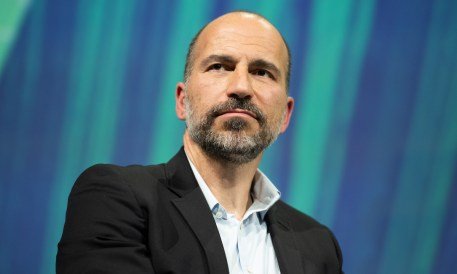
Dara Khosrowshahi, the CEO of Uber Technologies, has stepped down from the board of directors at Grab Holdings Limited, effective immediately. This unexpected move triggered a notable market response, with Grab's shares dipping approximately 3% during the trading session following the announcement. Despite the departure of such a prominent figure, Grab has reassured stakeholders that its financial ties with Uber will remain unchanged, preserving Uber's significant 27.5% stake in the Singapore-based ride-hailing and delivery platform. Grab's board now consists of six members, with four holding independent positions, signaling a commitment to maintaining objective oversight in its governance structure.
This leadership transition comes at a critical time for Grab, which is navigating a complex economic landscape. While the company faces potential earnings caps, it is also leveraging strengths in other business segments to mitigate these challenges. Grab's evolution into a so-called 'super app' for Southeast Asia has been bolstered by its strategic acquisition of Stash Financial, aimed at enhancing its financial services offerings and subscription revenue streams. The integration of AI-driven experiences, derived from a robust 14-year data repository, positions Grab to better withstand regional regulatory pressures.
The backdrop of Khosrowshahi's exit is rooted in a landmark 2018 consolidation deal that fundamentally reshaped the competitive dynamics in Southeast Asia's mobility sector. This merger not only provided Uber with a substantial equity stake in Grab but also allowed Grab to capture an impressive 80% market share, which has since attracted regulatory scrutiny. As Grab continues to solidify its market position, the company’s strategic focus on financial services and AI integration may offer new avenues for growth and resilience in an increasingly competitive environment.
This leadership transition comes at a critical time for Grab, which is navigating a complex economic landscape. While the company faces potential earnings caps, it is also leveraging strengths in other business segments to mitigate these challenges. Grab's evolution into a so-called 'super app' for Southeast Asia has been bolstered by its strategic acquisition of Stash Financial, aimed at enhancing its financial services offerings and subscription revenue streams. The integration of AI-driven experiences, derived from a robust 14-year data repository, positions Grab to better withstand regional regulatory pressures.
The backdrop of Khosrowshahi's exit is rooted in a landmark 2018 consolidation deal that fundamentally reshaped the competitive dynamics in Southeast Asia's mobility sector. This merger not only provided Uber with a substantial equity stake in Grab but also allowed Grab to capture an impressive 80% market share, which has since attracted regulatory scrutiny. As Grab continues to solidify its market position, the company’s strategic focus on financial services and AI integration may offer new avenues for growth and resilience in an increasingly competitive environment.
Source: PYMNTS