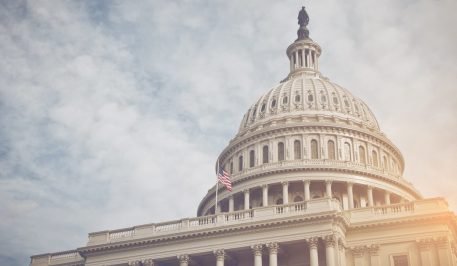
Rep. Stephanie Bice, chairwoman of the House Subcommittee on Modernization and Innovation, has put forth a funding request aimed at developing an artificial intelligence assistant named My Intelligent Assistant (Mia) to aid U.S. House staff. This initiative seeks to enhance the efficiency of legislative operations by providing staff with a secure, customizable AI tool that connects to various data sources within the House. The proposal is currently pending approval from the House Appropriations Legislative Branch Subcommittee and the full House Appropriations Committee, with specific funding amounts yet to be disclosed.
Bice emphasized the importance of fostering an environment conducive to innovation, stating that the Subcommittee is committed to empowering staff to develop cutting-edge tools that improve service delivery to constituents. The initiative aligns with ongoing efforts by House staff to leverage AI for various tasks, including schedule management and bill summarization. Mia is expected to significantly accelerate these innovations, ensuring that Congress remains responsive and effective in a rapidly evolving technological landscape.
In conjunction with this funding request, the Subcommittee announced the House AI Innovators Pipeline, a new initiative designed to support House staff in creating custom applications for congressional operations. This program, developed in partnership with the House AI Center, aims to provide technical guidance and a secure environment for experimentation and development. The House AI Center, established in 2024, will offer hands-on support from technical experts, further enabling staff to harness AI capabilities.
Additionally, a recent report from the House Financial Services Committee highlighted the potential of AI in enhancing fraud detection within financial institutions. This underscores a broader trend among policymakers advocating for the adoption of AI technologies to improve operational efficiencies and security measures across various sectors. As Congress explores these technological advancements, the implications for governance and public service delivery are substantial, potentially setting a precedent for future legislative practices.
Bice emphasized the importance of fostering an environment conducive to innovation, stating that the Subcommittee is committed to empowering staff to develop cutting-edge tools that improve service delivery to constituents. The initiative aligns with ongoing efforts by House staff to leverage AI for various tasks, including schedule management and bill summarization. Mia is expected to significantly accelerate these innovations, ensuring that Congress remains responsive and effective in a rapidly evolving technological landscape.
In conjunction with this funding request, the Subcommittee announced the House AI Innovators Pipeline, a new initiative designed to support House staff in creating custom applications for congressional operations. This program, developed in partnership with the House AI Center, aims to provide technical guidance and a secure environment for experimentation and development. The House AI Center, established in 2024, will offer hands-on support from technical experts, further enabling staff to harness AI capabilities.
Additionally, a recent report from the House Financial Services Committee highlighted the potential of AI in enhancing fraud detection within financial institutions. This underscores a broader trend among policymakers advocating for the adoption of AI technologies to improve operational efficiencies and security measures across various sectors. As Congress explores these technological advancements, the implications for governance and public service delivery are substantial, potentially setting a precedent for future legislative practices.
Source: PYMNTS