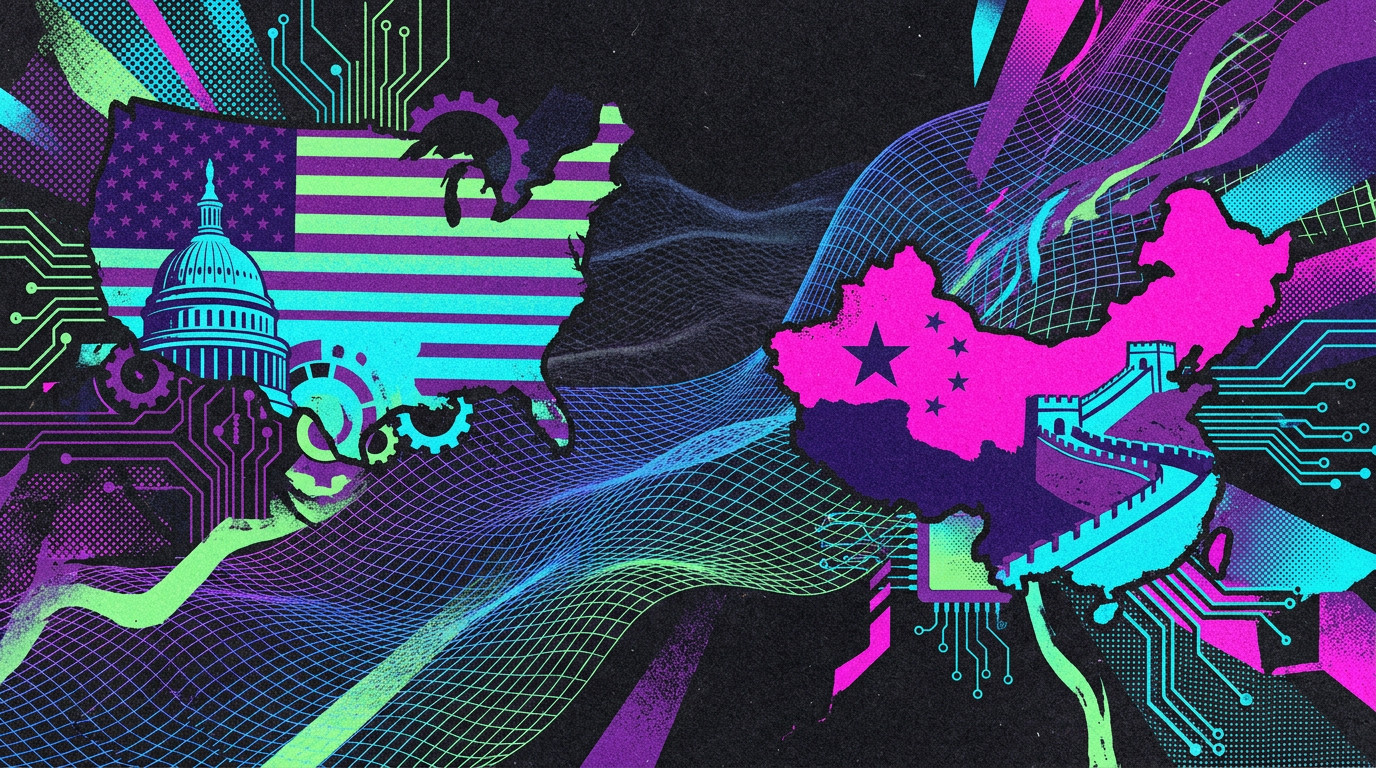
The Trump administration is reportedly considering a range of measures to restrict the adoption of Chinese artificial intelligence models, signaling a strategic shift in the U.S. approach to technology competition. Rather than enforcing a direct ban, the administration may opt for a more nuanced strategy that includes adding specific Chinese laboratories to sanctions lists and imposing liability on U.S. companies for security breaches linked to these foreign technologies. This approach aims to create a regulatory environment that discourages the use of Chinese AI while simultaneously bolstering the market positions of domestic leaders such as OpenAI, Google, and Anthropic.
By employing these soft measures, the U.S. government seeks to protect its technological edge and mitigate perceived security risks associated with Chinese AI advancements. The implications of this strategy are significant, as it not only affects the competitive landscape for AI development but also influences investment flows and partnerships within the sector. Companies operating in the Gulf region, particularly those involved in AI and fintech, may need to reassess their strategies in light of these geopolitical shifts.
This development comes at a time when the global AI race is intensifying, with countries vying for leadership in this transformative technology. The potential for increased scrutiny of Chinese AI could lead to a reallocation of resources and investments towards more secure and compliant alternatives, particularly from U.S.-based firms. As the Gulf states continue to invest heavily in AI and digital transformation initiatives, understanding these dynamics will be crucial for local startups and investors looking to navigate the evolving landscape effectively.
By employing these soft measures, the U.S. government seeks to protect its technological edge and mitigate perceived security risks associated with Chinese AI advancements. The implications of this strategy are significant, as it not only affects the competitive landscape for AI development but also influences investment flows and partnerships within the sector. Companies operating in the Gulf region, particularly those involved in AI and fintech, may need to reassess their strategies in light of these geopolitical shifts.
This development comes at a time when the global AI race is intensifying, with countries vying for leadership in this transformative technology. The potential for increased scrutiny of Chinese AI could lead to a reallocation of resources and investments towards more secure and compliant alternatives, particularly from U.S.-based firms. As the Gulf states continue to invest heavily in AI and digital transformation initiatives, understanding these dynamics will be crucial for local startups and investors looking to navigate the evolving landscape effectively.
Source: The Decoder