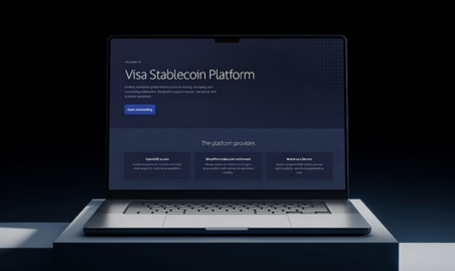
Visa's introduction of its Stablecoin Platform (VSP) marks a significant shift in how financial institutions and fintechs may engage with digital currencies. By providing a managed environment for minting, redeeming, and transferring stablecoins, Visa aims to simplify the complexities associated with stablecoin adoption. This platform, currently in beta with select clients, supports Open USD and includes essential features like wallet infrastructure, bank-account connectivity, and institutional controls, thereby addressing the operational challenges that have hindered broader adoption of stablecoins in regulated environments.
The strategic intent behind Visa's VSP is not merely to facilitate stablecoin transactions but to establish itself as a crucial operator in the on-chain money ecosystem. As the landscape evolves, Visa is positioning itself to manage the permissions, workflows, and compliance requirements that institutions need to navigate the complexities of digital assets. This approach suggests that payment networks will continue to play a pivotal role in the financial ecosystem, even as blockchain technology and stablecoins gain traction.
Interestingly, Visa's move reflects a broader trend where established payment networks are not viewing stablecoins as a direct threat but as an opportunity to enhance their service offerings. The fragmented nature of the early stablecoin market created significant integration challenges for institutions, and Visa's platform aims to mitigate these issues by providing a unified solution that abstracts the underlying complexities of blockchain and digital assets. This could lead to a more streamlined experience for businesses looking to leverage stablecoins without needing to invest heavily in infrastructure.
As the stablecoin market matures, Visa's approach indicates a potential recombination of traditional payment systems with blockchain technology, rather than outright disruption. This could redefine the competitive landscape, allowing legacy players to maintain their customer relationships while offering innovative solutions that meet the evolving demands of the market. The implications for fintech startups and investors are profound, as they may need to rethink their strategies in a space where established players like Visa are increasingly becoming key facilitators of digital asset transactions.
The strategic intent behind Visa's VSP is not merely to facilitate stablecoin transactions but to establish itself as a crucial operator in the on-chain money ecosystem. As the landscape evolves, Visa is positioning itself to manage the permissions, workflows, and compliance requirements that institutions need to navigate the complexities of digital assets. This approach suggests that payment networks will continue to play a pivotal role in the financial ecosystem, even as blockchain technology and stablecoins gain traction.
Interestingly, Visa's move reflects a broader trend where established payment networks are not viewing stablecoins as a direct threat but as an opportunity to enhance their service offerings. The fragmented nature of the early stablecoin market created significant integration challenges for institutions, and Visa's platform aims to mitigate these issues by providing a unified solution that abstracts the underlying complexities of blockchain and digital assets. This could lead to a more streamlined experience for businesses looking to leverage stablecoins without needing to invest heavily in infrastructure.
As the stablecoin market matures, Visa's approach indicates a potential recombination of traditional payment systems with blockchain technology, rather than outright disruption. This could redefine the competitive landscape, allowing legacy players to maintain their customer relationships while offering innovative solutions that meet the evolving demands of the market. The implications for fintech startups and investors are profound, as they may need to rethink their strategies in a space where established players like Visa are increasingly becoming key facilitators of digital asset transactions.
Source: PYMNTS