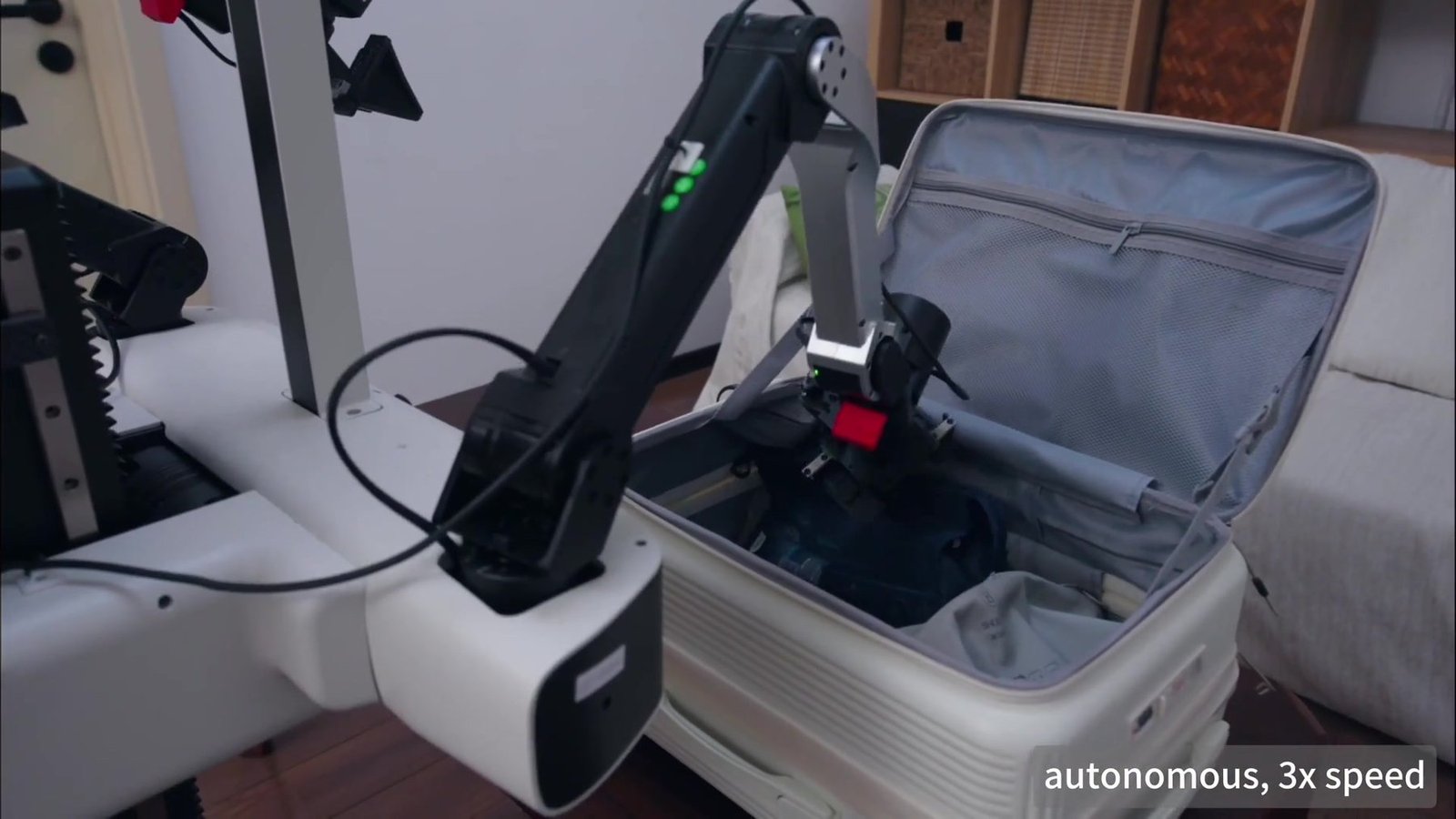
Xiaomi has unveiled a significant advancement in robotic training with its Xiaomi-Robotics-1, which leverages over 100,000 hours of motion data sourced from human operators using camera-equipped handheld grippers. This approach marks a departure from traditional methods that prioritize increasing model size for enhanced performance. Instead, Xiaomi's findings suggest that the sheer volume of quality data can drive more substantial improvements in robotic movement and functionality. Despite these advancements, the overall success rates of the robots remain modest, indicating that while the approach is promising, there is still considerable room for improvement in robotic capabilities.
The implications of this development are profound, particularly in the context of artificial intelligence and robotics. By prioritizing data over model complexity, Xiaomi sets a new precedent that could influence how startups and established firms alike approach AI training methodologies. This could lead to a more data-centric paradigm in the industry, where the focus shifts towards gathering and utilizing vast datasets to refine algorithms, rather than solely investing in increasingly sophisticated models.
As the robotics landscape evolves, this strategy may also attract interest from venture capitalists looking to invest in AI-driven startups that prioritize data acquisition and analysis. The potential for enhanced performance through data-driven training could open up new avenues for innovation in robotics, particularly in sectors such as logistics, manufacturing, and even healthcare, where efficient movement and precision are paramount. The ongoing development of the Xiaomi-Robotics-1 serves as a critical reminder that in the race for AI supremacy, the quality and quantity of data may be the key differentiator.
The implications of this development are profound, particularly in the context of artificial intelligence and robotics. By prioritizing data over model complexity, Xiaomi sets a new precedent that could influence how startups and established firms alike approach AI training methodologies. This could lead to a more data-centric paradigm in the industry, where the focus shifts towards gathering and utilizing vast datasets to refine algorithms, rather than solely investing in increasingly sophisticated models.
As the robotics landscape evolves, this strategy may also attract interest from venture capitalists looking to invest in AI-driven startups that prioritize data acquisition and analysis. The potential for enhanced performance through data-driven training could open up new avenues for innovation in robotics, particularly in sectors such as logistics, manufacturing, and even healthcare, where efficient movement and precision are paramount. The ongoing development of the Xiaomi-Robotics-1 serves as a critical reminder that in the race for AI supremacy, the quality and quantity of data may be the key differentiator.
Source: The Decoder