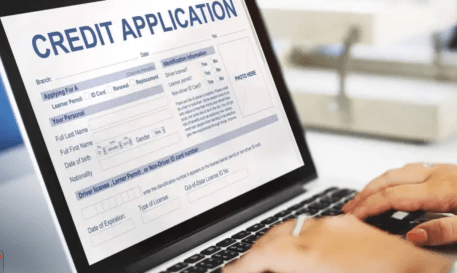
The latest findings from the Federal Reserve Bank of New York reveal that consumer credit applications have surged to their highest level since October 2021, reaching a near five-year peak in June. This increase, detailed in the Survey of Consumer Expectations Credit Access Survey, suggests a growing willingness among consumers to seek new credit options, despite a slight decline in the perceived likelihood of rejection across various credit types. Notably, the overall rejection rate for credit applications has decreased from 23.1% last year to 16.1% this June, indicating a more favorable lending environment. Interestingly, while the likelihood of applying for credit cards, auto loans, and mortgage refinances has dipped, there is a slight uptick in mortgage applications, signaling a nuanced shift in consumer priorities amidst ongoing economic challenges.
The survey further highlights that the average likelihood of consumers needing to cover an unexpected expense of $2,000 has risen to 34%. However, the perceived ability to manage such expenses has also improved, with 66% of respondents feeling confident about affording this amount, up from 63% in February. This resilience appears particularly pronounced among consumers living paycheck to paycheck, where a significant proportion report adapting their spending habits to cope with financial strain. For instance, 53% of these consumers have cut back on nonessential expenditures such as dining and entertainment over the past year.
These findings align with recent research from PYMNTS Intelligence, which underscores the precarious financial situation faced by many consumers. Nearly 70% of those living paycheck to paycheck indicated that their savings would last no more than a month if they missed work, with a substantial number lacking any savings at all. The data paints a complex picture of consumer behavior, suggesting that while many are facing financial challenges, there is also a trend towards adaptation and resilience in spending practices. This duality may influence future credit markets and fintech solutions aimed at providing more accessible financial services to consumers in the Gulf region.
The survey further highlights that the average likelihood of consumers needing to cover an unexpected expense of $2,000 has risen to 34%. However, the perceived ability to manage such expenses has also improved, with 66% of respondents feeling confident about affording this amount, up from 63% in February. This resilience appears particularly pronounced among consumers living paycheck to paycheck, where a significant proportion report adapting their spending habits to cope with financial strain. For instance, 53% of these consumers have cut back on nonessential expenditures such as dining and entertainment over the past year.
These findings align with recent research from PYMNTS Intelligence, which underscores the precarious financial situation faced by many consumers. Nearly 70% of those living paycheck to paycheck indicated that their savings would last no more than a month if they missed work, with a substantial number lacking any savings at all. The data paints a complex picture of consumer behavior, suggesting that while many are facing financial challenges, there is also a trend towards adaptation and resilience in spending practices. This duality may influence future credit markets and fintech solutions aimed at providing more accessible financial services to consumers in the Gulf region.
Source: PYMNTS