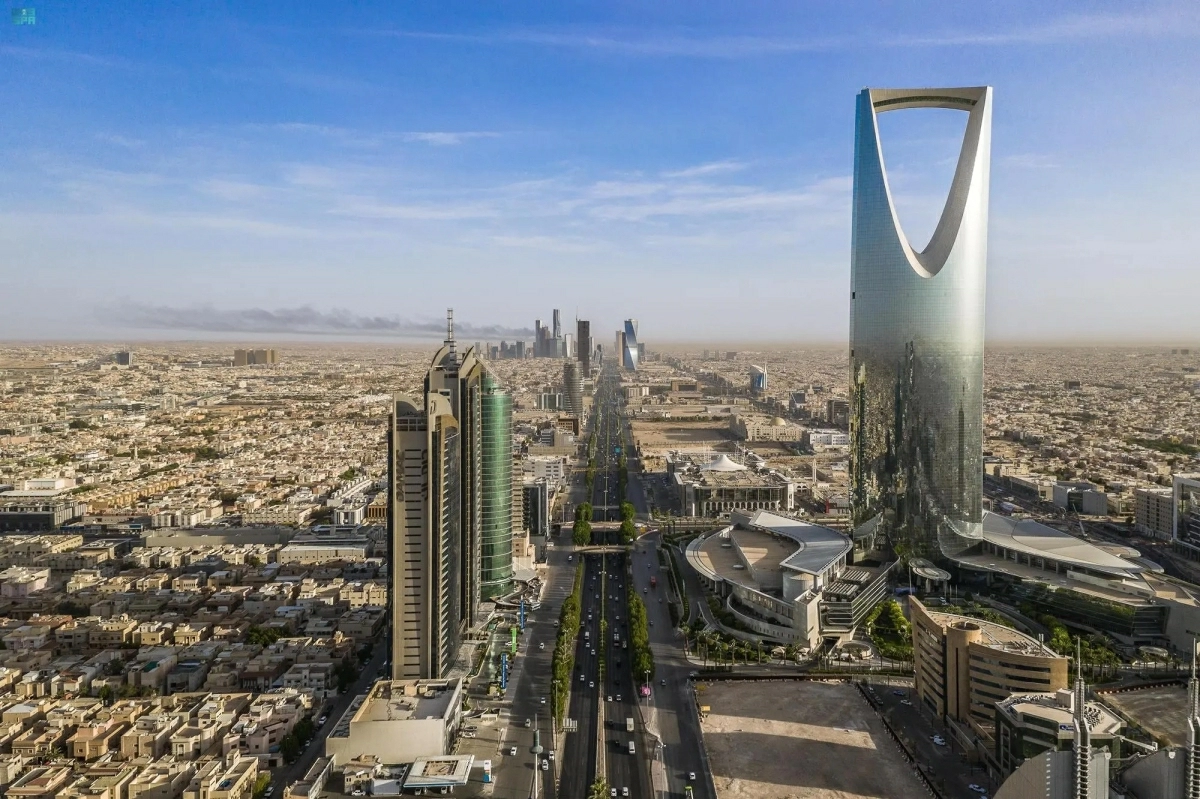
The International Monetary Fund (IMF) has released its Article IV Consultation report, revealing that Saudi Arabia's economy is exhibiting notable resilience in the face of ongoing geopolitical tensions in the Middle East. The Kingdom's economy expanded by 4.6% in 2025, buoyed by a gradual easing of OPEC+ production cuts and sustained domestic demand. The report also indicates a positive shift in the fiscal landscape, with the non-oil primary deficit narrowing from 24.5% of non-oil GDP in 2024 to 23.3% in 2025, reflecting effective fiscal management and long-term strategic planning. Key infrastructure projects, such as the East-West pipeline, have been instrumental in maintaining export stability and mitigating external risks.
The IMF highlighted Saudi Arabia's solid fiscal foundation, characterized by low government debt and substantial financial reserves, which provide ample room for economic support should regional tensions escalate. The Kingdom's sovereign assets and the Public Investment Fund further bolster this financial resilience, with the Saudi Central Bank's net foreign assets reported at $437 billion by the end of 2025. The banking sector is also noted for its robust health, with capital adequacy ratios reaching 20.5% and non-performing loans at a decade-low of 1.0% of total lending, indicating strong liquidity and asset quality.
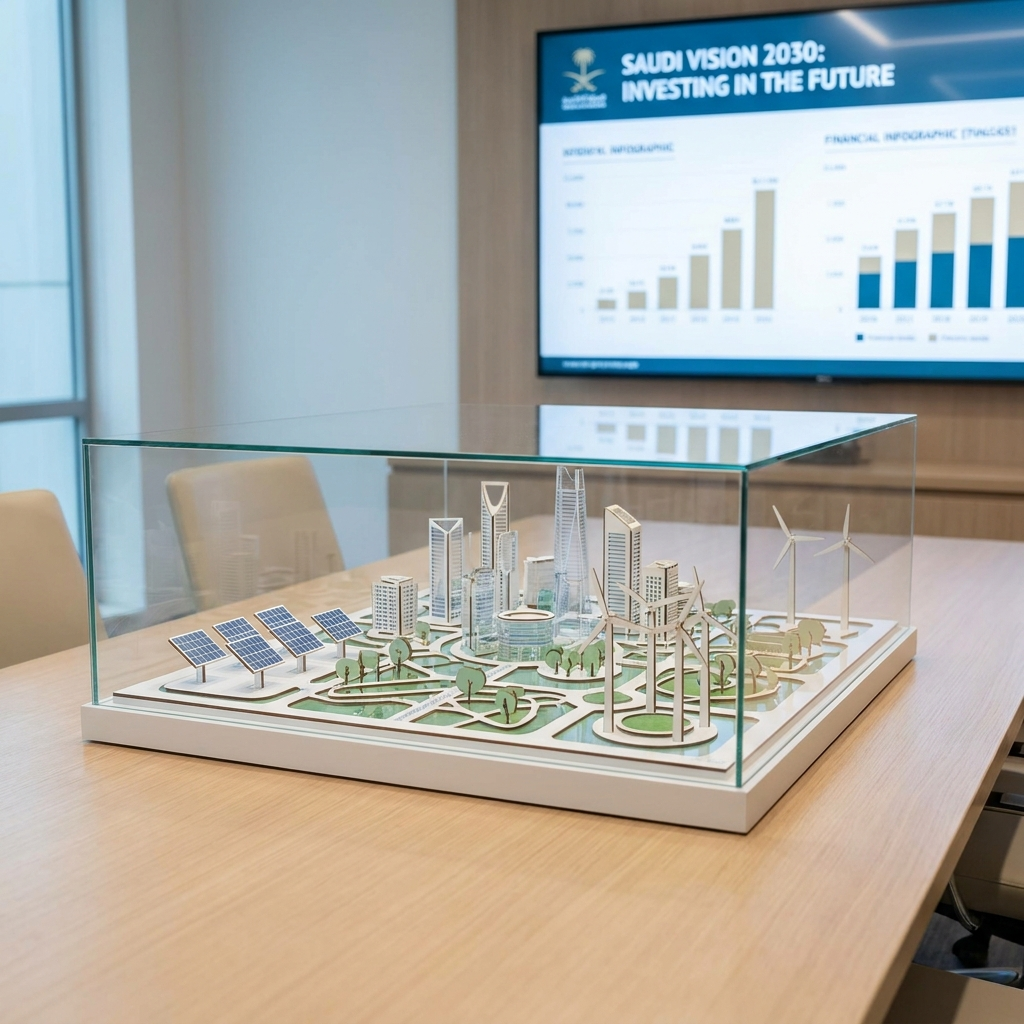
Vision 2030 reforms have been pivotal in transforming the Saudi economy, enhancing institutional effectiveness, and diversifying revenue streams away from oil dependency. The IMF commended the Kingdom's proactive stance in adopting artificial intelligence across various sectors, including government services, healthcare, and fintech. This strategic focus on AI is expected to significantly boost Saudi Arabia's real GDP by as much as 6% over the next decade, positioning the country as a leader in technological adoption in the region. The report also noted the Kingdom's impressive rankings in global indices related to e-government and AI readiness, underscoring its commitment to innovation and modernization.
In conclusion, the IMF's assessment paints a picture of a resilient Saudi economy capable of navigating regional uncertainties while pursuing ambitious growth and diversification goals. The ongoing structural reforms and prudent fiscal policies are set to enhance the Kingdom's global economic standing, making it an attractive destination for investors and entrepreneurs alike.
The IMF highlighted Saudi Arabia's solid fiscal foundation, characterized by low government debt and substantial financial reserves, which provide ample room for economic support should regional tensions escalate. The Kingdom's sovereign assets and the Public Investment Fund further bolster this financial resilience, with the Saudi Central Bank's net foreign assets reported at $437 billion by the end of 2025. The banking sector is also noted for its robust health, with capital adequacy ratios reaching 20.5% and non-performing loans at a decade-low of 1.0% of total lending, indicating strong liquidity and asset quality.
Vision 2030 reforms have been pivotal in transforming the Saudi economy, enhancing institutional effectiveness, and diversifying revenue streams away from oil dependency. The IMF commended the Kingdom's proactive stance in adopting artificial intelligence across various sectors, including government services, healthcare, and fintech. This strategic focus on AI is expected to significantly boost Saudi Arabia's real GDP by as much as 6% over the next decade, positioning the country as a leader in technological adoption in the region. The report also noted the Kingdom's impressive rankings in global indices related to e-government and AI readiness, underscoring its commitment to innovation and modernization.
In conclusion, the IMF's assessment paints a picture of a resilient Saudi economy capable of navigating regional uncertainties while pursuing ambitious growth and diversification goals. The ongoing structural reforms and prudent fiscal policies are set to enhance the Kingdom's global economic standing, making it an attractive destination for investors and entrepreneurs alike.
Source: Saudi Gazette