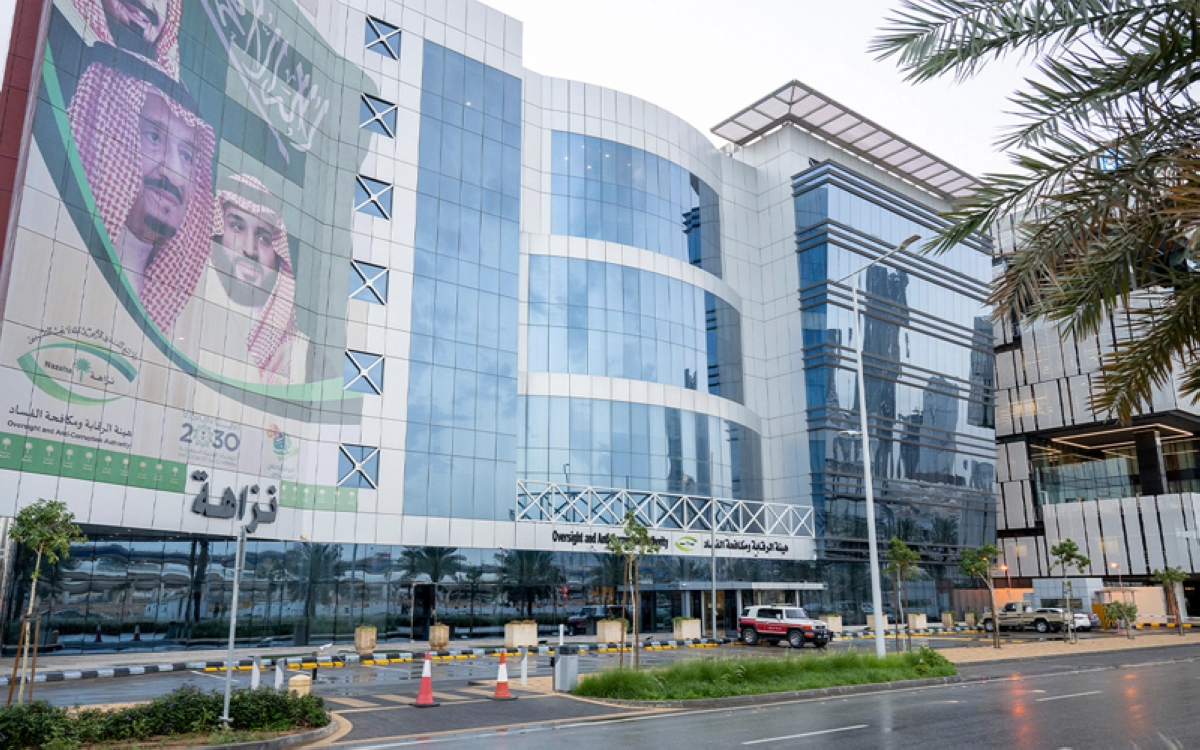
The Oversight and Anti-Corruption Authority (Nazaha) has intensified its crackdown on corruption, announcing criminal proceedings in 15 cases that involve serious allegations ranging from bribery to the abuse of office. Among those arrested is a prominent Saudi businessman accused of attempting to evade approximately SR14 million in customs duties through bribery. This case, alongside others involving public officials from various ministries, underscores a broader effort to combat corruption that has implications for both public trust and the business environment in Saudi Arabia.
The arrests include a Ministry of Health employee who allegedly received SR900,000 in exchange for awarding government contracts unlawfully, and a customs authority employee accused of accepting SR55,000 to manipulate the status of imported goods. Such actions not only undermine the integrity of public institutions but also pose risks to fair competition in the marketplace, which is critical for attracting foreign investment and fostering a healthy startup ecosystem.
Nazaha's commitment to prosecuting corruption without a statute of limitations signals a robust approach to governance that could enhance the Kingdom's reputation among investors. The authority's actions reflect a growing recognition of the need for transparency and accountability in both public and private sectors, particularly as Saudi Arabia seeks to diversify its economy and reduce its dependence on oil revenues.
As the government continues to prioritize anti-corruption measures, stakeholders in the startup and venture capital sectors should closely monitor these developments. A cleaner business environment could lead to more stable investment conditions, fostering innovation and growth in the region's burgeoning tech landscape. However, ongoing scrutiny of public officials may also create challenges for businesses navigating regulatory frameworks, necessitating a careful approach to compliance and governance in their operations.
The arrests include a Ministry of Health employee who allegedly received SR900,000 in exchange for awarding government contracts unlawfully, and a customs authority employee accused of accepting SR55,000 to manipulate the status of imported goods. Such actions not only undermine the integrity of public institutions but also pose risks to fair competition in the marketplace, which is critical for attracting foreign investment and fostering a healthy startup ecosystem.
Nazaha's commitment to prosecuting corruption without a statute of limitations signals a robust approach to governance that could enhance the Kingdom's reputation among investors. The authority's actions reflect a growing recognition of the need for transparency and accountability in both public and private sectors, particularly as Saudi Arabia seeks to diversify its economy and reduce its dependence on oil revenues.
As the government continues to prioritize anti-corruption measures, stakeholders in the startup and venture capital sectors should closely monitor these developments. A cleaner business environment could lead to more stable investment conditions, fostering innovation and growth in the region's burgeoning tech landscape. However, ongoing scrutiny of public officials may also create challenges for businesses navigating regulatory frameworks, necessitating a careful approach to compliance and governance in their operations.
Source: Saudi Gazette