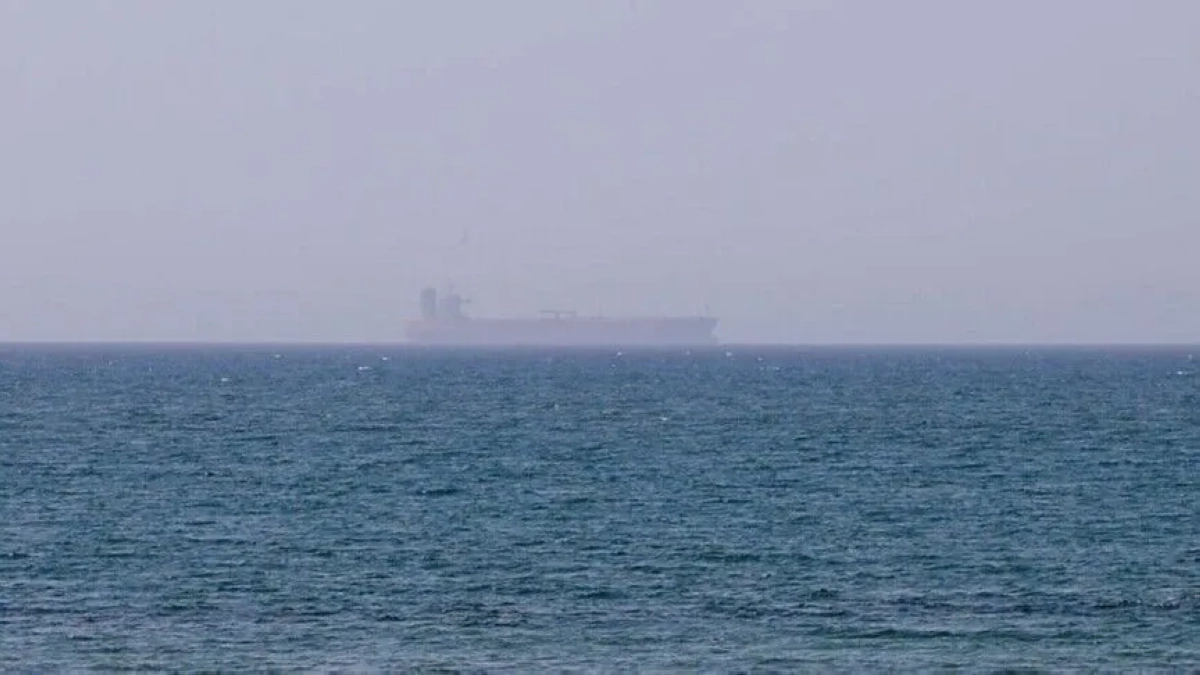
Saudi Arabia has issued a strong condemnation of Iran following reported attacks on the Saudi vessel Wadiyan and the Qatari vessel Al Rekayyat while they were navigating the critical Strait of Hormuz. The Saudi Ministry of Foreign Affairs characterized these incidents as direct assaults on international maritime security, emphasizing their potential to disrupt global energy markets. The ministry's statement underscored that Iran's actions represent a serious violation of international law and United Nations Security Council Resolution 2817, which upholds the principles of safe passage and freedom of navigation in international waters. The Kingdom has called for an immediate cessation of such activities by Iran, holding it fully accountable for the attacks and any ensuing consequences.
Qatar has echoed Saudi Arabia's condemnation, with its Foreign Ministry labeling the attack on the Al Rekayyat as an unacceptable threat to maritime safety and global energy supplies. The Qatari official's remarks highlighted the incident as a grave violation of international norms, reiterating the need for Iran to halt practices that compromise regional stability and maritime security. The Strait of Hormuz is a vital conduit for global energy, facilitating a substantial portion of oil and liquefied natural gas exports from Gulf nations, making the security of this corridor paramount for international markets.
The geopolitical tensions arising from these incidents could have far-reaching implications for energy markets and investor confidence in the region. As the Strait of Hormuz remains a critical artery for oil and gas shipments, any disruption could lead to increased volatility in energy prices, impacting not only regional economies but also global markets. Investors in the Gulf's burgeoning fintech and startup sectors should remain vigilant, as heightened geopolitical risks may influence capital flows and strategic investments in the region's economic landscape.
Qatar has echoed Saudi Arabia's condemnation, with its Foreign Ministry labeling the attack on the Al Rekayyat as an unacceptable threat to maritime safety and global energy supplies. The Qatari official's remarks highlighted the incident as a grave violation of international norms, reiterating the need for Iran to halt practices that compromise regional stability and maritime security. The Strait of Hormuz is a vital conduit for global energy, facilitating a substantial portion of oil and liquefied natural gas exports from Gulf nations, making the security of this corridor paramount for international markets.
The geopolitical tensions arising from these incidents could have far-reaching implications for energy markets and investor confidence in the region. As the Strait of Hormuz remains a critical artery for oil and gas shipments, any disruption could lead to increased volatility in energy prices, impacting not only regional economies but also global markets. Investors in the Gulf's burgeoning fintech and startup sectors should remain vigilant, as heightened geopolitical risks may influence capital flows and strategic investments in the region's economic landscape.
Source: Saudi Gazette