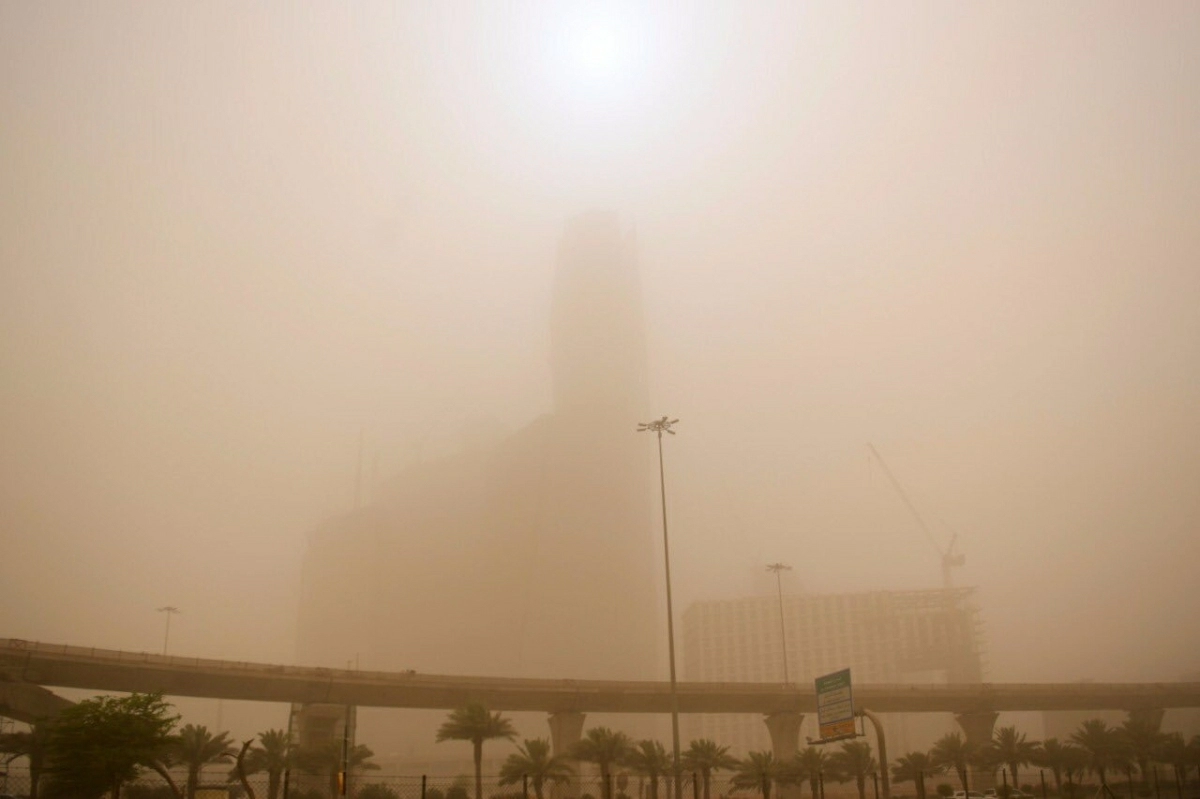
In a remarkable environmental achievement, Saudi Arabia has reported a staggering 99% reduction in dust and sandstorm activity during June 2026, marking the lowest levels recorded in over 25 years. According to the National Center for Meteorology (NCM), this unprecedented decline is attributed to a combination of the Saudi Green Initiative, cloud seeding programs, and improved vegetation management. The NCM's findings reveal that regions such as the Northern Borders experienced a complete cessation of dust storms, while central areas including Riyadh and Qassim saw a 99% decrease in dust events.
This significant reduction in dust storm activity is not merely a meteorological anomaly; it represents a critical pivot towards enhanced environmental resilience in the Kingdom. Dr. Ayman Ghulam, CEO of NCM, emphasized that the findings stem from advanced monitoring techniques, including satellite data and specialized dust sampling technologies. These capabilities not only bolster early warning systems but also enhance the accuracy of forecasting models, which are essential for mitigating the impacts of dust storms on public health and economic activities.
The implications of this decline extend beyond environmental benefits. A reduction in dust storms can lead to improved air quality, which is vital for public health and can enhance productivity across various sectors. The economic ramifications are particularly significant for industries reliant on outdoor operations, such as construction and agriculture, where dust storms can disrupt activities and increase operational costs. Furthermore, the Kingdom's commitment to sustainable practices through initiatives like the Saudi Green Initiative positions it favorably in attracting foreign investment focused on environmentally responsible projects.
As the NCM continues to monitor and analyze dust activity, the data-driven approach underscores a growing trend in the region towards leveraging technology for environmental management. This shift not only enhances the Kingdom's resilience to climate challenges but also aligns with global sustainability goals, potentially making Saudi Arabia a more attractive destination for investors and startups in the green technology and environmental sectors.
This significant reduction in dust storm activity is not merely a meteorological anomaly; it represents a critical pivot towards enhanced environmental resilience in the Kingdom. Dr. Ayman Ghulam, CEO of NCM, emphasized that the findings stem from advanced monitoring techniques, including satellite data and specialized dust sampling technologies. These capabilities not only bolster early warning systems but also enhance the accuracy of forecasting models, which are essential for mitigating the impacts of dust storms on public health and economic activities.
The implications of this decline extend beyond environmental benefits. A reduction in dust storms can lead to improved air quality, which is vital for public health and can enhance productivity across various sectors. The economic ramifications are particularly significant for industries reliant on outdoor operations, such as construction and agriculture, where dust storms can disrupt activities and increase operational costs. Furthermore, the Kingdom's commitment to sustainable practices through initiatives like the Saudi Green Initiative positions it favorably in attracting foreign investment focused on environmentally responsible projects.
As the NCM continues to monitor and analyze dust activity, the data-driven approach underscores a growing trend in the region towards leveraging technology for environmental management. This shift not only enhances the Kingdom's resilience to climate challenges but also aligns with global sustainability goals, potentially making Saudi Arabia a more attractive destination for investors and startups in the green technology and environmental sectors.
Source: Saudi Gazette