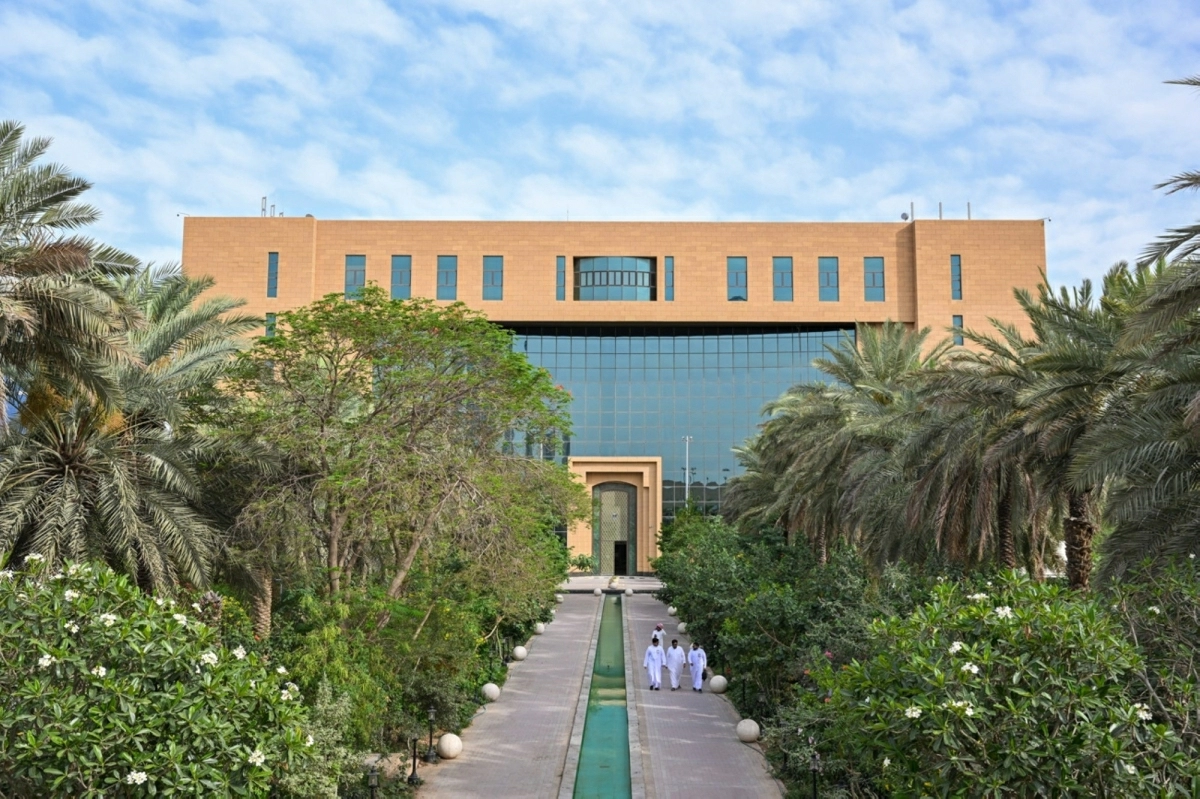
Saudi Arabia has introduced a comprehensive regulatory framework governing foreign property ownership, marking a significant step towards enhancing investment opportunities in the Kingdom. The newly established executive regulations for the Foreign Ownership of Real Estate Law outline stringent requirements for foreign individuals, companies, and non-profit entities, while also creating a unified digital platform for all ownership transactions. This initiative aims to strengthen market governance and transparency, thereby attracting more foreign capital into the real estate sector. The regulations delineate standardized procedures for acquiring property and real estate rights, alongside imposing penalties of up to SR10 million for violations, signaling a robust commitment to regulatory compliance.
For foreign individuals, the prerequisites for property acquisition include obtaining a Ministry of Interior-approved digital identity, establishing a Saudi bank account, and registering a local mobile number. These measures are designed to ensure that all transactions are linked to authenticated records, thereby minimizing the risk of fraudulent activities. Foreign companies are similarly required to register with the Ministry of Investment and fully disclose their beneficial ownership structures. Notably, the regulations also impose obligations on foreign non-profit organizations, reflecting a comprehensive approach to governance across various sectors.
A key feature of this regulatory overhaul is the establishment of a unified electronic portal by the Real Estate General Authority (REGA), which will serve as the exclusive platform for property transactions involving non-Saudis. This digital framework is expected to streamline the application process for property purchases and enhance the efficiency of financial transactions, as all payments must be conducted through electronic systems approved by the Saudi Central Bank. Additionally, the regulations introduce a transaction fee of 2% for non-Saudis acquiring real estate in major cities, although several categories of transactions are exempt, further incentivizing foreign investment.
The implications of these regulations are profound for the Gulf's real estate landscape. By facilitating foreign ownership and ensuring robust regulatory oversight, Saudi Arabia is positioning itself as an attractive destination for international investors. This move not only enhances the transparency of property transactions but also aligns with the Kingdom's broader economic diversification goals under Vision 2030, which aims to reduce dependence on oil revenues and stimulate growth in various sectors, including real estate. Investors and founders should closely monitor these developments, as they may reshape competitive dynamics and capital allocation strategies in the region.
For foreign individuals, the prerequisites for property acquisition include obtaining a Ministry of Interior-approved digital identity, establishing a Saudi bank account, and registering a local mobile number. These measures are designed to ensure that all transactions are linked to authenticated records, thereby minimizing the risk of fraudulent activities. Foreign companies are similarly required to register with the Ministry of Investment and fully disclose their beneficial ownership structures. Notably, the regulations also impose obligations on foreign non-profit organizations, reflecting a comprehensive approach to governance across various sectors.
A key feature of this regulatory overhaul is the establishment of a unified electronic portal by the Real Estate General Authority (REGA), which will serve as the exclusive platform for property transactions involving non-Saudis. This digital framework is expected to streamline the application process for property purchases and enhance the efficiency of financial transactions, as all payments must be conducted through electronic systems approved by the Saudi Central Bank. Additionally, the regulations introduce a transaction fee of 2% for non-Saudis acquiring real estate in major cities, although several categories of transactions are exempt, further incentivizing foreign investment.
The implications of these regulations are profound for the Gulf's real estate landscape. By facilitating foreign ownership and ensuring robust regulatory oversight, Saudi Arabia is positioning itself as an attractive destination for international investors. This move not only enhances the transparency of property transactions but also aligns with the Kingdom's broader economic diversification goals under Vision 2030, which aims to reduce dependence on oil revenues and stimulate growth in various sectors, including real estate. Investors and founders should closely monitor these developments, as they may reshape competitive dynamics and capital allocation strategies in the region.
Source: Saudi Gazette