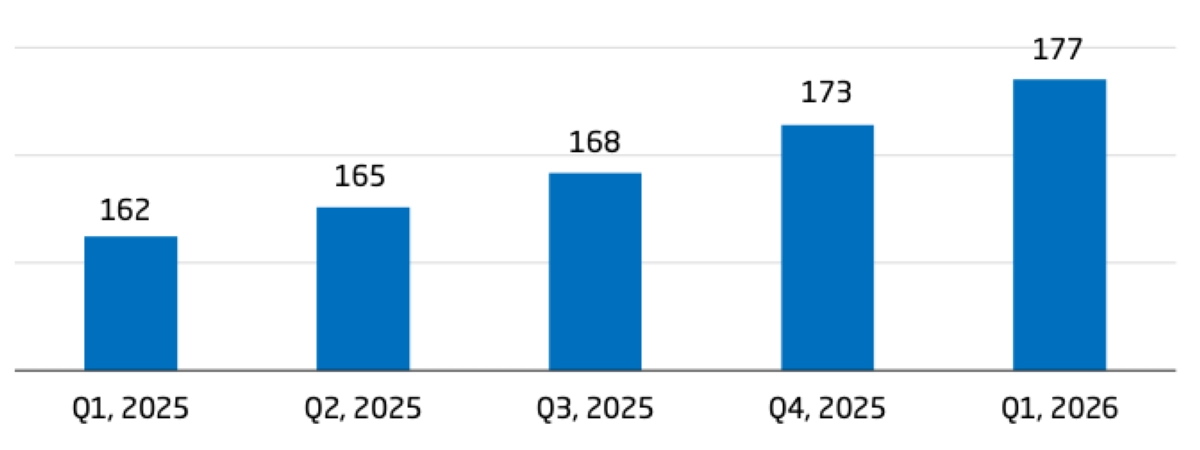
In a significant indicator of the recovery within the tourism sector, Saudi Arabia reported a 22.7% year-on-year increase in licensed hospitality facilities, reaching a total of 6,122 in the first quarter of 2026, according to the General Authority for Statistics (GASTAT). This growth was predominantly fueled by an influx of serviced apartments and other hospitality venues, which accounted for over half of the total establishments. Specifically, 3,159 serviced apartments represented 51.6% of the total, while hotels comprised the remaining 48.4% with 2,963 establishments. This trend underscores a shift in consumer preferences towards more flexible accommodation options, particularly in a post-pandemic landscape.
Employment figures within the tourism sector also showed positive momentum, with establishments employing approximately 177,031 individuals, marking a 9% increase from the previous year. The overall employment across tourism activities reached over a million, reflecting a 6.5% year-on-year rise. Notably, Saudi nationals constituted 23.9% of the workforce, indicating a gradual increase in local participation in the sector.
Despite the growth in facilities and employment, hotel occupancy rates experienced a slight decline, falling to 60.8% from 63.0% in Q1 2025. Conversely, serviced apartments saw an uptick in occupancy, rising to 51.6%. This divergence in occupancy trends suggests a potential shift in market dynamics, where consumers may be favoring alternative lodging options over traditional hotels. The average length of stay in hotels increased to 4.2 nights, while serviced apartments saw a modest rise to 2.2 nights, further emphasizing changing consumer behaviors in accommodation preferences.
Overall, the data reflects a burgeoning hospitality sector in Saudi Arabia, which is poised for continued growth as the country enhances its tourism infrastructure and diversifies its economy. The increasing number of licensed facilities and employment opportunities signals a robust recovery trajectory, positioning the sector as a significant contributor to the Kingdom's Vision 2030 objectives.
Employment figures within the tourism sector also showed positive momentum, with establishments employing approximately 177,031 individuals, marking a 9% increase from the previous year. The overall employment across tourism activities reached over a million, reflecting a 6.5% year-on-year rise. Notably, Saudi nationals constituted 23.9% of the workforce, indicating a gradual increase in local participation in the sector.
Despite the growth in facilities and employment, hotel occupancy rates experienced a slight decline, falling to 60.8% from 63.0% in Q1 2025. Conversely, serviced apartments saw an uptick in occupancy, rising to 51.6%. This divergence in occupancy trends suggests a potential shift in market dynamics, where consumers may be favoring alternative lodging options over traditional hotels. The average length of stay in hotels increased to 4.2 nights, while serviced apartments saw a modest rise to 2.2 nights, further emphasizing changing consumer behaviors in accommodation preferences.
Overall, the data reflects a burgeoning hospitality sector in Saudi Arabia, which is poised for continued growth as the country enhances its tourism infrastructure and diversifies its economy. The increasing number of licensed facilities and employment opportunities signals a robust recovery trajectory, positioning the sector as a significant contributor to the Kingdom's Vision 2030 objectives.
Source: Saudi Gazette