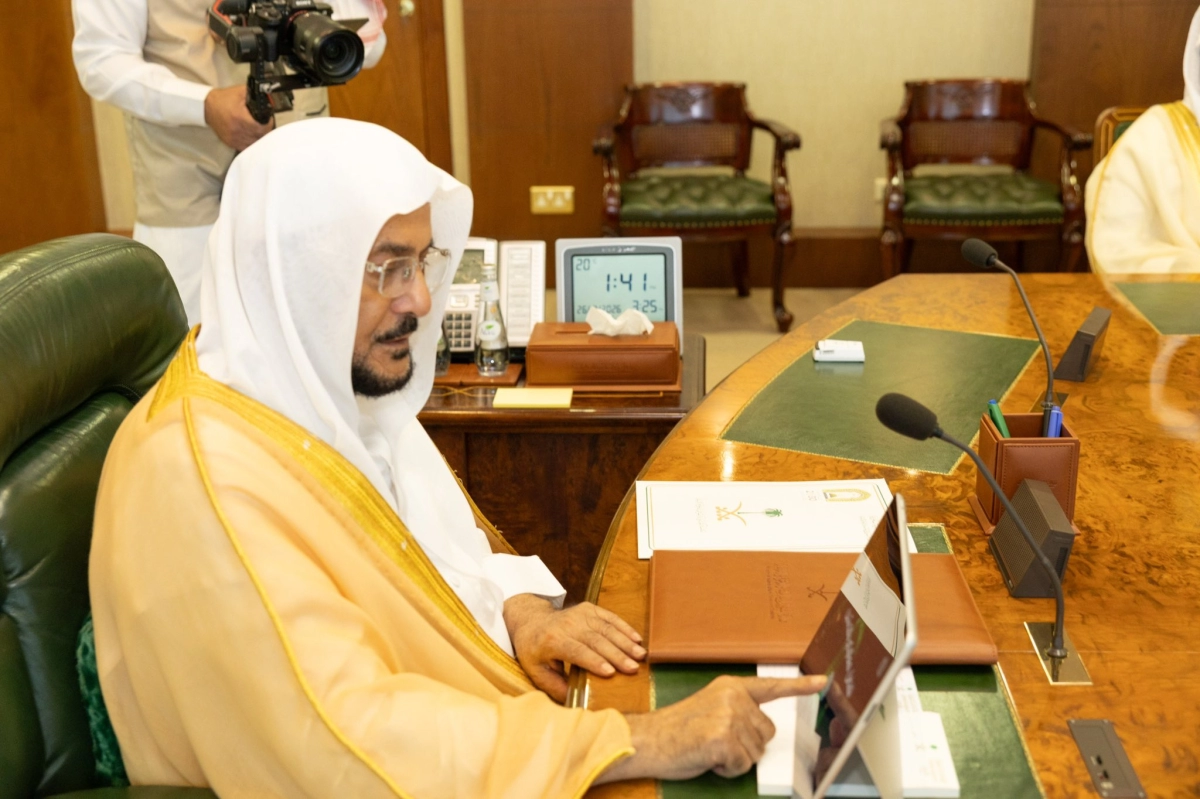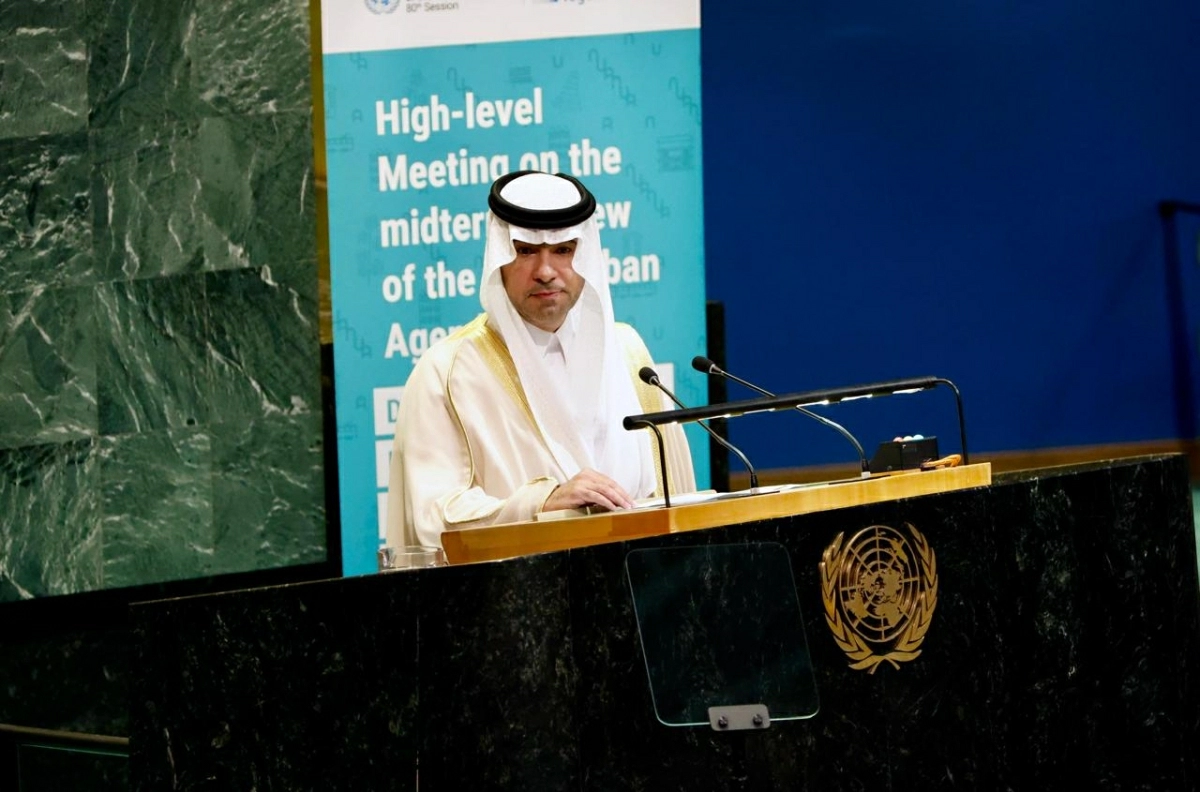
Saudi Arabia's homeownership rate has climbed to 66.24% as of the end of 2025, a marked increase from 47% in 2016, according to Minister of Municipalities and Housing Majed Al-Hogail. This growth aligns with the Kingdom's Vision 2030 goal of achieving a 70% homeownership rate. Speaking at the UN General Assembly High-Level Meeting on the Urban Agenda in New York, Al-Hogail emphasized that Saudi Arabia has transitioned from urban planning to effective implementation, showcasing measurable impacts in sustainable urban development. The Kingdom's updated national report to UN-Habitat highlights the significant urban transformation achieved in recent years, with over 25% of families benefiting from housing support services since 2018.
The urban development indicators reflect substantial progress, including an increase in public space per capita from 5.2 to 6.9 square meters, and the Bahja program has contributed over 12 million square meters of community spaces. The Riyadh Metro's first nine months of operation saw over 100 million passengers, complemented by urban bus services carrying nearly 97 million passengers in 2025, illustrating advancements in urban mobility and quality of life. Al-Hogail noted that social development is also a focus, with women's labor force participation rising from 22.8% to 36%, alongside a doubling of employment rates for individuals with disabilities.
Saudi Arabia is enhancing urban governance through improved financial autonomy for municipalities and the integration of urban data, including climate risk assessments in planning. The Kingdom’s commitment to sustainability is further underscored by the Saudi Green Initiative and the National Renewable Energy Program. Partnerships and investments have been pivotal, with over 56 public-private partnership agreements signed to bolster infrastructure and municipal services. Additionally, Saudi Arabia issued $9.1 billion in green bonds and sustainable sukuk in 2024, with the Public Investment Fund pledging over $10 billion in green finance by 2026. Al-Hogail reaffirmed the Kingdom's dedication to the New Urban Agenda, emphasizing international cooperation and sustainable financing for inclusive urban development.
This strategic focus on urban development and sustainability not only enhances the housing market but also signals a robust environment for investment in related sectors, including fintech and infrastructure. As homeownership rises and urban living standards improve, there will be increased opportunities for startups and venture capital firms looking to capitalize on the evolving landscape of Saudi Arabia's economy. Investors should closely monitor these developments, as they could reshape market dynamics and create new avenues for growth in the Gulf region.
The urban development indicators reflect substantial progress, including an increase in public space per capita from 5.2 to 6.9 square meters, and the Bahja program has contributed over 12 million square meters of community spaces. The Riyadh Metro's first nine months of operation saw over 100 million passengers, complemented by urban bus services carrying nearly 97 million passengers in 2025, illustrating advancements in urban mobility and quality of life. Al-Hogail noted that social development is also a focus, with women's labor force participation rising from 22.8% to 36%, alongside a doubling of employment rates for individuals with disabilities.
Saudi Arabia is enhancing urban governance through improved financial autonomy for municipalities and the integration of urban data, including climate risk assessments in planning. The Kingdom’s commitment to sustainability is further underscored by the Saudi Green Initiative and the National Renewable Energy Program. Partnerships and investments have been pivotal, with over 56 public-private partnership agreements signed to bolster infrastructure and municipal services. Additionally, Saudi Arabia issued $9.1 billion in green bonds and sustainable sukuk in 2024, with the Public Investment Fund pledging over $10 billion in green finance by 2026. Al-Hogail reaffirmed the Kingdom's dedication to the New Urban Agenda, emphasizing international cooperation and sustainable financing for inclusive urban development.
This strategic focus on urban development and sustainability not only enhances the housing market but also signals a robust environment for investment in related sectors, including fintech and infrastructure. As homeownership rises and urban living standards improve, there will be increased opportunities for startups and venture capital firms looking to capitalize on the evolving landscape of Saudi Arabia's economy. Investors should closely monitor these developments, as they could reshape market dynamics and create new avenues for growth in the Gulf region.
Source: Saudi Gazette