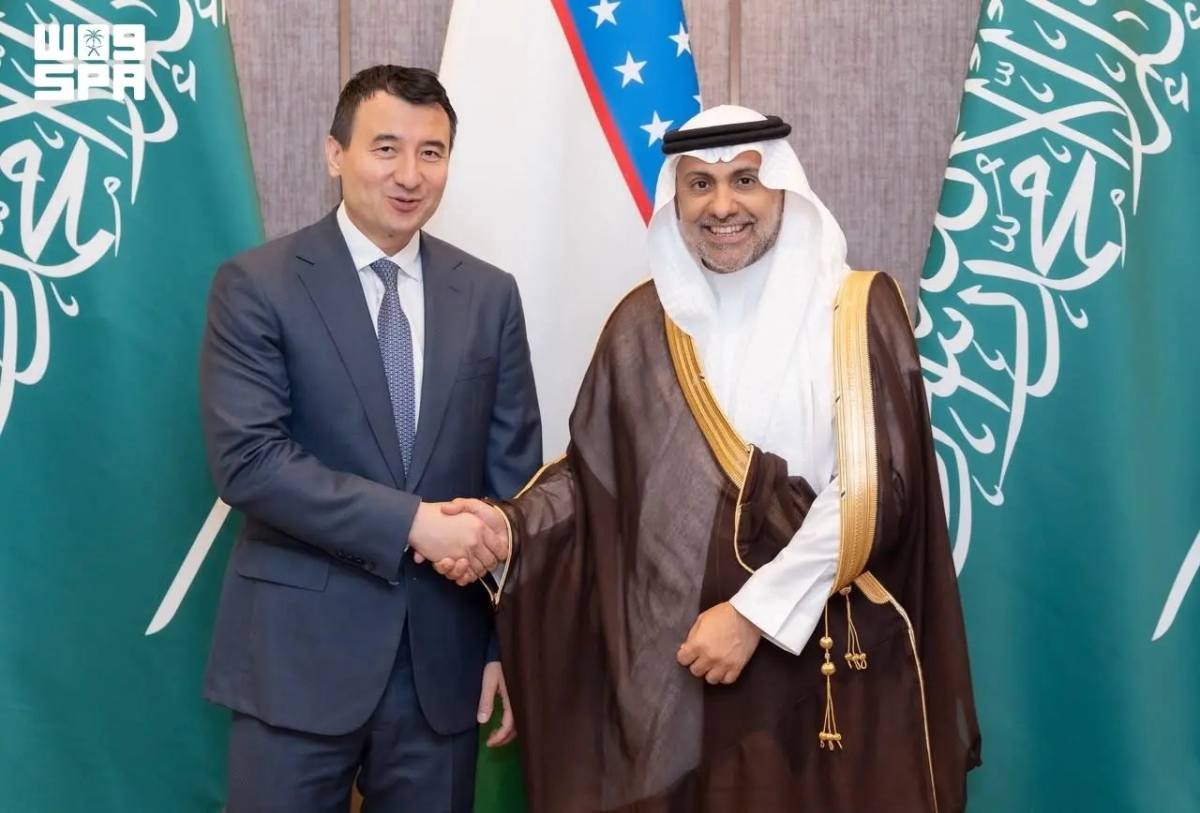
The International Islamic Trade Finance Corporation (ITFC) has formalized a new $250 million framework agreement with The Gambia, aimed at bolstering trade finance, energy imports, food security, and private sector growth over the next three years. This agreement, signed during the 2026 Islamic Development Bank (IsDB) Group Annual Meetings in Baku, Azerbaijan, replaces a fully drawn five-year facility initiated in January 2021, underscoring the operational demand for such financing in the region. Since the ITFC began its operations in The Gambia, total financing and trade development interventions have surpassed $870 million, highlighting the organization's pivotal role in the country's economic landscape.
The renewed agreement is particularly significant as it continues to support critical sectors, including energy and food security, through financing channels with local entities like the National Water and Electricity Company (NAWEC) and the Gambia National Petroleum Corporation (GNPC). These institutions are essential for ensuring energy continuity in The Gambia, while ITFC's financing also extends to essential commodity imports, thereby enhancing food security and stimulating private sector activity through partnerships with local financial institutions.
As a member of the IsDB Group, ITFC positions itself as a leading trade-finance provider to Organisation of Islamic Cooperation (OIC) member states. With over $96 billion in financing provided since 2008, ITFC serves as a crucial source of concessional and quasi-commercial trade capital for frontier markets like The Gambia, where access to international capital markets is often limited. The Gambia's reliance on multilateral and Islamic development finance institutions for structured trade credit reflects a broader trend in sub-Saharan Africa, especially as commercial banks tend to impose risk-adjusted pricing that excludes smaller sovereign borrowers.
The decision to renew the agreement at the same financial level but with a shorter duration may indicate an intention to accelerate deployment or a recalibration of the country's capacity to absorb such financing. While the ITFC has not disclosed the specific allocation of the new framework by sector or tranche, the overarching trend suggests that multilateral Islamic finance institutions are maintaining or even expanding their presence in frontier markets at a time when Western development finance entities face pressures to reduce overseas commitments. This dynamic reinforces ITFC's role as a counter-cyclical capital provider in the region, positioning it favorably amidst shifting geopolitical landscapes.
The renewed agreement is particularly significant as it continues to support critical sectors, including energy and food security, through financing channels with local entities like the National Water and Electricity Company (NAWEC) and the Gambia National Petroleum Corporation (GNPC). These institutions are essential for ensuring energy continuity in The Gambia, while ITFC's financing also extends to essential commodity imports, thereby enhancing food security and stimulating private sector activity through partnerships with local financial institutions.
As a member of the IsDB Group, ITFC positions itself as a leading trade-finance provider to Organisation of Islamic Cooperation (OIC) member states. With over $96 billion in financing provided since 2008, ITFC serves as a crucial source of concessional and quasi-commercial trade capital for frontier markets like The Gambia, where access to international capital markets is often limited. The Gambia's reliance on multilateral and Islamic development finance institutions for structured trade credit reflects a broader trend in sub-Saharan Africa, especially as commercial banks tend to impose risk-adjusted pricing that excludes smaller sovereign borrowers.
The decision to renew the agreement at the same financial level but with a shorter duration may indicate an intention to accelerate deployment or a recalibration of the country's capacity to absorb such financing. While the ITFC has not disclosed the specific allocation of the new framework by sector or tranche, the overarching trend suggests that multilateral Islamic finance institutions are maintaining or even expanding their presence in frontier markets at a time when Western development finance entities face pressures to reduce overseas commitments. This dynamic reinforces ITFC's role as a counter-cyclical capital provider in the region, positioning it favorably amidst shifting geopolitical landscapes.
Source: The Fintech Times