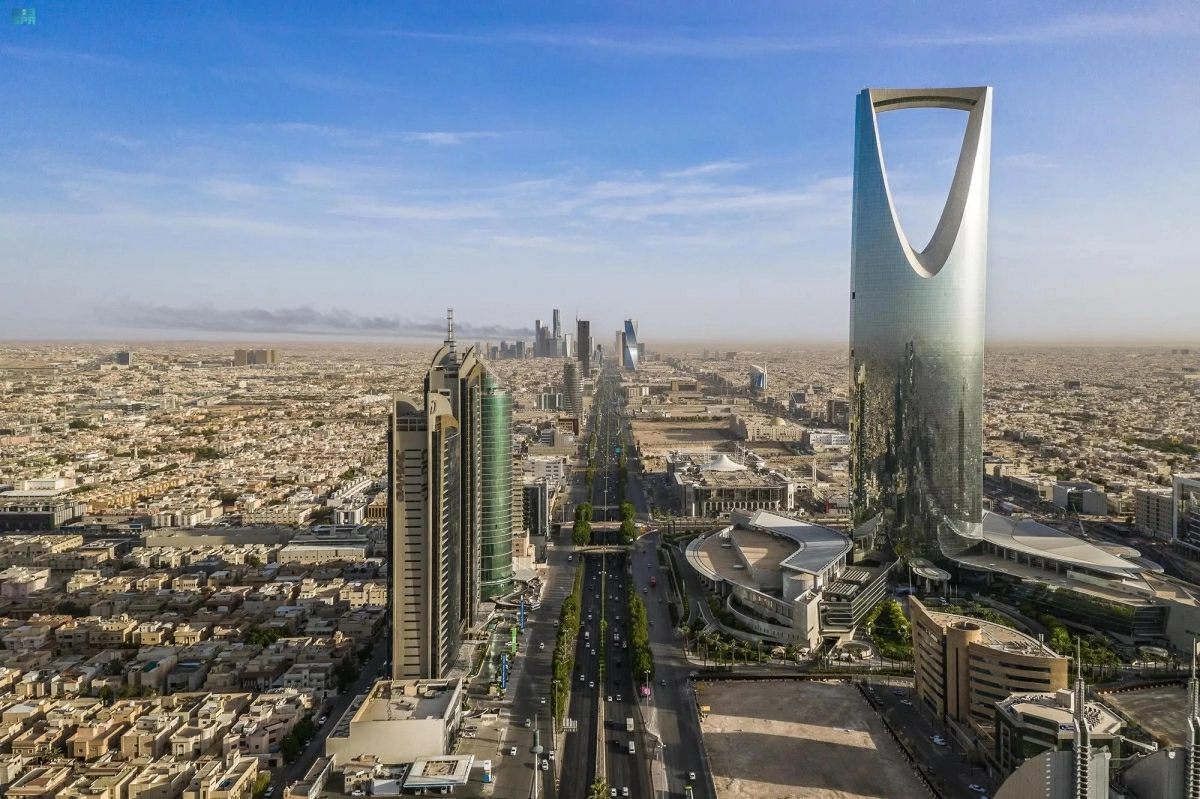
Saudi Arabia has made significant strides in attracting foreign direct investment (FDI), climbing to 13th place among the world's largest recipients in 2025, up from 17th in the previous year. According to the latest World Investment Report from the United Nations Conference on Trade and Development (UNCTAD), the Kingdom's net FDI inflows reached $32.6 billion in 2025, marking a remarkable increase of nearly 53% from $21.3 billion in 2024. This surge reflects a robust investor confidence in the Saudi market, driven by the Kingdom's strategic sectors such as energy, infrastructure, technology, advanced industries, and logistics, all of which are aligned with the ambitious goals of Saudi Vision 2030.
The report further indicates that Saudi Arabia's total inward FDI stock has risen to $293.3 billion, showcasing the sustained attractiveness of the Kingdom as a destination for global capital. UNCTAD attributes this positive trend to the ongoing reforms and initiatives under the National Investment Strategy, which have focused on enhancing the investment environment, improving competitiveness, and facilitating easier market entry for foreign investors. These efforts have been pivotal in positioning Saudi Arabia as a leading investment hub in the region and beyond.
As the Kingdom continues to diversify its economy away from oil dependence, the growth in FDI is a critical component of its long-term economic strategy. The influx of foreign capital not only supports infrastructure development and technological advancement but also fosters a more dynamic startup ecosystem. This is particularly relevant in sectors such as fintech and AI, where innovation is essential for the Kingdom's economic transformation. Investors are increasingly recognizing the potential for high returns in these burgeoning sectors, which are expected to play a crucial role in shaping the future of the Gulf economy.
The report further indicates that Saudi Arabia's total inward FDI stock has risen to $293.3 billion, showcasing the sustained attractiveness of the Kingdom as a destination for global capital. UNCTAD attributes this positive trend to the ongoing reforms and initiatives under the National Investment Strategy, which have focused on enhancing the investment environment, improving competitiveness, and facilitating easier market entry for foreign investors. These efforts have been pivotal in positioning Saudi Arabia as a leading investment hub in the region and beyond.
As the Kingdom continues to diversify its economy away from oil dependence, the growth in FDI is a critical component of its long-term economic strategy. The influx of foreign capital not only supports infrastructure development and technological advancement but also fosters a more dynamic startup ecosystem. This is particularly relevant in sectors such as fintech and AI, where innovation is essential for the Kingdom's economic transformation. Investors are increasingly recognizing the potential for high returns in these burgeoning sectors, which are expected to play a crucial role in shaping the future of the Gulf economy.
Source: Saudi Gazette