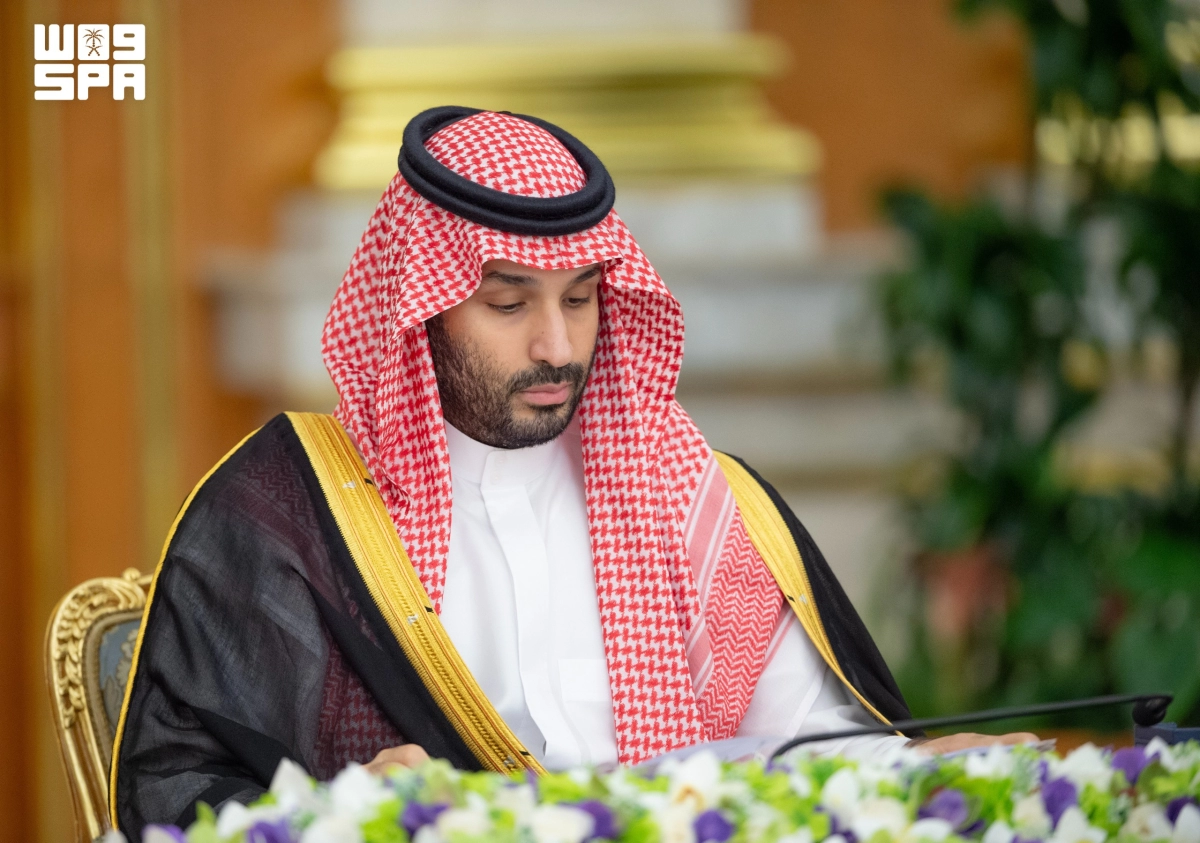
In a significant move aimed at bolstering its economic framework, the Saudi Cabinet, led by Crown Prince Mohammed bin Salman, has approved the State Revenues Law. This legislation is expected to streamline revenue collection processes and enhance fiscal transparency, aligning with the broader objectives of Saudi Vision 2030. Additionally, the Cabinet endorsed the introduction of a new training visa specifically designed for international trainees, which will facilitate the influx of foreign expertise into the Kingdom's burgeoning sectors, particularly in technology and innovation.
The Cabinet's session also highlighted ongoing diplomatic engagements, including discussions with U.S. President Donald Trump and Canadian Prime Minister Mark Carney. These conversations underscored Saudi Arabia's commitment to strengthening bilateral relations and enhancing cooperation across various sectors, including energy, artificial intelligence, and skills development. The signing of memoranda of understanding between Saudi Arabia and Canada during this period further reflects the Kingdom's proactive approach to fostering international partnerships that can drive economic growth.
Moreover, the Cabinet addressed pressing regional security issues, condemning Iran's aggressive actions in the Strait of Hormuz and reaffirming Saudi Arabia's stance on maintaining regional stability. The discussions also included Iraq's renewed commitment to preventing its territory from being used for attacks against Saudi Arabia and its Gulf neighbors, a development that could have significant implications for regional security dynamics and investment climates.
Overall, these legislative and diplomatic advancements signal Saudi Arabia's ongoing efforts to diversify its economy and attract foreign investment, particularly in sectors aligned with technological advancement and innovation. The introduction of the training visa could serve as a catalyst for startups and established firms alike to enhance their talent pools and operational capabilities, thereby fostering a more competitive business environment in the Gulf region.
The Cabinet's session also highlighted ongoing diplomatic engagements, including discussions with U.S. President Donald Trump and Canadian Prime Minister Mark Carney. These conversations underscored Saudi Arabia's commitment to strengthening bilateral relations and enhancing cooperation across various sectors, including energy, artificial intelligence, and skills development. The signing of memoranda of understanding between Saudi Arabia and Canada during this period further reflects the Kingdom's proactive approach to fostering international partnerships that can drive economic growth.
Moreover, the Cabinet addressed pressing regional security issues, condemning Iran's aggressive actions in the Strait of Hormuz and reaffirming Saudi Arabia's stance on maintaining regional stability. The discussions also included Iraq's renewed commitment to preventing its territory from being used for attacks against Saudi Arabia and its Gulf neighbors, a development that could have significant implications for regional security dynamics and investment climates.
Overall, these legislative and diplomatic advancements signal Saudi Arabia's ongoing efforts to diversify its economy and attract foreign investment, particularly in sectors aligned with technological advancement and innovation. The introduction of the training visa could serve as a catalyst for startups and established firms alike to enhance their talent pools and operational capabilities, thereby fostering a more competitive business environment in the Gulf region.
Source: Saudi Gazette