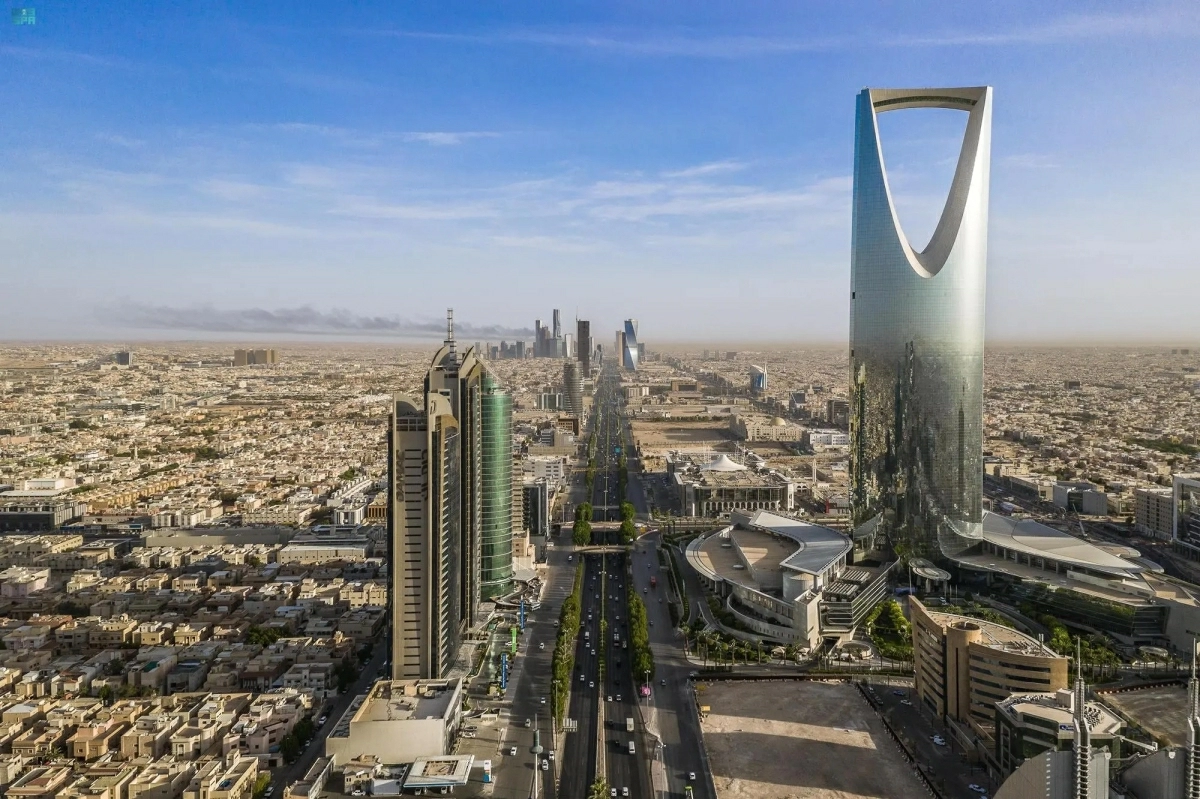
In June 2026, Saudi Arabia's annual inflation rate reached 1.8%, reflecting a notable increase influenced by rising costs in housing, food, and transportation, as reported by the General Authority for Statistics (GASTAT). Housing-related expenses, which include water, electricity, gas, and other fuels, saw a significant annual uptick of 3.5%, largely due to a 4.4% rise in actual housing rents. Food and beverage prices also contributed to the inflationary pressure, increasing by 1.4%, while transport costs rose by 1.7%. Notably, personal care and social protection services experienced the steepest rise among major categories, escalating by 3.8%, driven by a remarkable 13.6% increase in prices of other personal effects, particularly jewelry and watches. Additionally, recreation and cultural activities saw a 2.5% rise, spurred by higher holiday package prices.
On a monthly basis, the Consumer Price Index (CPI) recorded a modest increase of 0.2% in June compared to May 2026. This uptick was primarily attributed to a 0.7% rise in food and beverage costs and a 0.4% increase in transport prices, while housing-related costs edged up slightly by 0.1%. Interestingly, certain sectors, including personal care and social protection, saw a decline of 1.0%, alongside marginal decreases in restaurant and accommodation services.
The current inflationary landscape in Saudi Arabia presents a complex scenario for both consumers and investors. As housing costs continue to exert upward pressure on inflation, there may be implications for consumer spending patterns, particularly in discretionary sectors. Investors may need to recalibrate their strategies, focusing on sectors that can withstand or benefit from these inflationary trends. The interplay between rising costs and consumer behavior could shape market dynamics and influence investment opportunities in the Gulf region moving forward.
On a monthly basis, the Consumer Price Index (CPI) recorded a modest increase of 0.2% in June compared to May 2026. This uptick was primarily attributed to a 0.7% rise in food and beverage costs and a 0.4% increase in transport prices, while housing-related costs edged up slightly by 0.1%. Interestingly, certain sectors, including personal care and social protection, saw a decline of 1.0%, alongside marginal decreases in restaurant and accommodation services.
The current inflationary landscape in Saudi Arabia presents a complex scenario for both consumers and investors. As housing costs continue to exert upward pressure on inflation, there may be implications for consumer spending patterns, particularly in discretionary sectors. Investors may need to recalibrate their strategies, focusing on sectors that can withstand or benefit from these inflationary trends. The interplay between rising costs and consumer behavior could shape market dynamics and influence investment opportunities in the Gulf region moving forward.
Source: Saudi Gazette