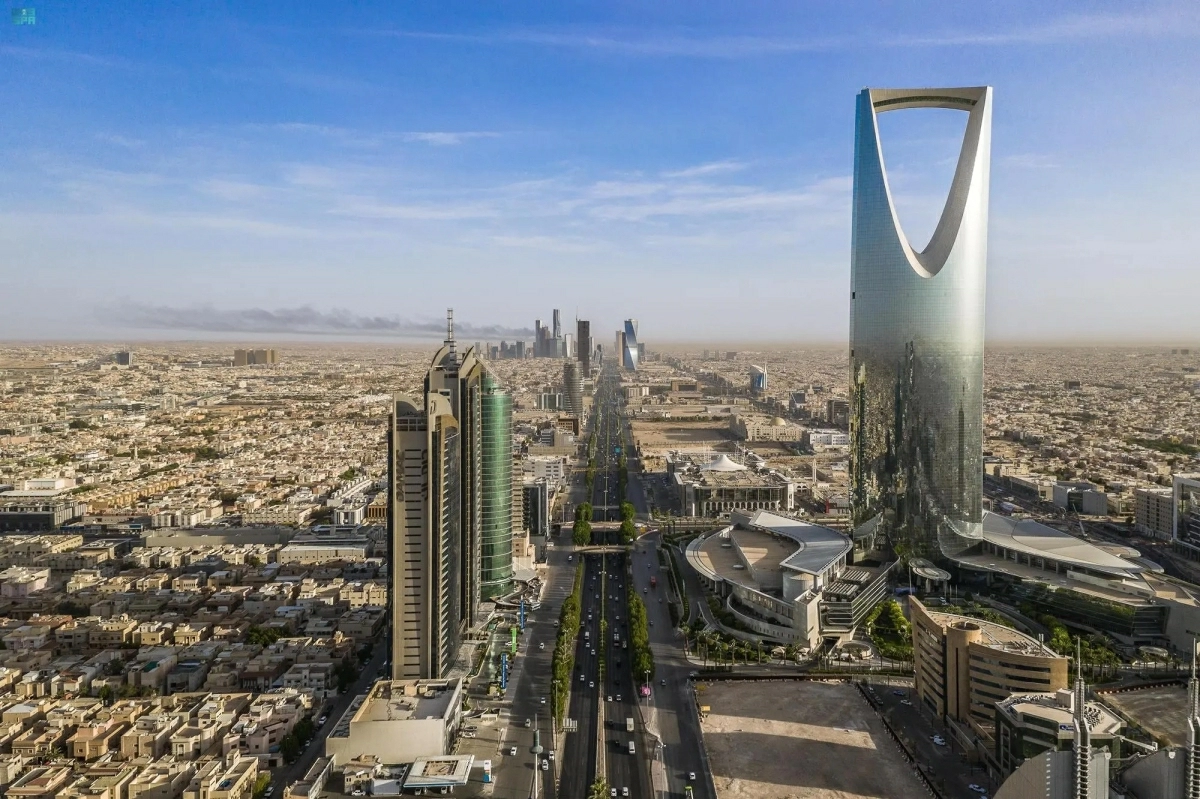
Saudi Arabia's merchandise exports experienced a 3.9% increase in May 2026 compared to the same month last year, largely propelled by a notable 19.5% rise in oil exports, according to the General Authority for Statistics (GASTAT). This uptick in oil exports has significantly contributed to a staggering 328.8% year-on-year surge in the merchandise trade surplus. However, the report reveals a contrasting trend in non-oil exports, which, including re-exports, plummeted by 26.1% compared to May 2025. National non-oil exports, excluding re-exports, fell even further, by 27.3%, indicating challenges in sectors outside of oil production. Re-exports also saw a decline of 24.4%, particularly in machinery and electrical equipment, which accounted for a substantial portion of total re-exports but faced a sharp 32.4% drop in value.
The ratio of non-oil exports, including re-exports, to imports decreased to 33.8%, down from 36.8% a year prior, reflecting the decline in non-oil export performance against a backdrop of a 19.5% reduction in imports. Despite these declines, machinery and electrical equipment remained the largest category of non-oil exports, representing 22.0% of the total, although this segment also experienced a significant 31.6% year-on-year decline. Plastics and rubber products followed, making up 17.6% of non-oil exports, which also saw a considerable decrease of 28.2%.
In terms of trade partnerships, China continued to dominate as Saudi Arabia's largest trading partner, receiving 12.3% of the Kingdom's exports and supplying 22.0% of its imports. South Korea and the United Arab Emirates ranked as the second and third largest export destinations, while the United States and Egypt were the primary sources of imports. The Jeddah Islamic Sea Port emerged as the busiest gateway for merchandise imports, processing 35.7% of total imports, while also leading in non-oil exports with a 24.4% share.
The mixed performance of Saudi Arabia's exports underscores the ongoing challenges in diversifying the economy away from oil dependency. While the surge in the trade surplus signals strong revenue generation from oil, the declines in non-oil exports may raise concerns about the resilience of other sectors. This economic landscape presents both challenges and opportunities for investors, particularly in fintech and startups focused on enhancing the efficiency and competitiveness of non-oil sectors, as the Kingdom continues its Vision 2030 objectives.
The ratio of non-oil exports, including re-exports, to imports decreased to 33.8%, down from 36.8% a year prior, reflecting the decline in non-oil export performance against a backdrop of a 19.5% reduction in imports. Despite these declines, machinery and electrical equipment remained the largest category of non-oil exports, representing 22.0% of the total, although this segment also experienced a significant 31.6% year-on-year decline. Plastics and rubber products followed, making up 17.6% of non-oil exports, which also saw a considerable decrease of 28.2%.
In terms of trade partnerships, China continued to dominate as Saudi Arabia's largest trading partner, receiving 12.3% of the Kingdom's exports and supplying 22.0% of its imports. South Korea and the United Arab Emirates ranked as the second and third largest export destinations, while the United States and Egypt were the primary sources of imports. The Jeddah Islamic Sea Port emerged as the busiest gateway for merchandise imports, processing 35.7% of total imports, while also leading in non-oil exports with a 24.4% share.
The mixed performance of Saudi Arabia's exports underscores the ongoing challenges in diversifying the economy away from oil dependency. While the surge in the trade surplus signals strong revenue generation from oil, the declines in non-oil exports may raise concerns about the resilience of other sectors. This economic landscape presents both challenges and opportunities for investors, particularly in fintech and startups focused on enhancing the efficiency and competitiveness of non-oil sectors, as the Kingdom continues its Vision 2030 objectives.
Source: Saudi Gazette