The National Federation of Independent Business (NFIB) reported a notable increase in small business optimism in June, with the NFIB Small Business Optimism Index rising 2.1 points to 97.4. This marks a significant shift as expectations for improved business conditions and sales among small business owners have begun to stabilize. For the first time this year, there was a marked increase in the percentage of owners anticipating better business conditions over the next six months, which rose by 10 points to a seasonally adjusted net of 13%. Similarly, expectations for higher real sales volumes over the coming quarter increased by 8 points to a net of 9%.
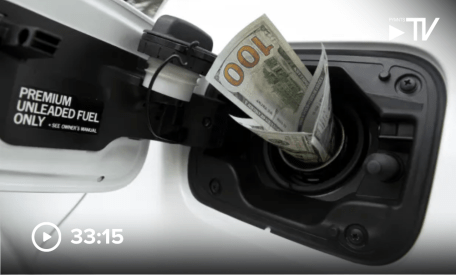
NFIB Chief Economist Bill Dunkelberg highlighted that the moderation of oil prices has provided a much-needed reprieve for many businesses, particularly those reliant on transportation and logistics. Lower oil prices not only alleviate operational costs but also enhance consumer discretionary spending, which could further stimulate economic activity. This development comes after a period of uncertainty driven by geopolitical tensions, particularly the Iran conflict, which previously dampened business sentiment and led to a dip below the long-term optimism average.
In contrast, large firm CEOs have expressed concerns, as indicated by The Conference Board Measure of CEO Confidence, which showed a decline in optimism during the second quarter. This divergence in sentiment between small business owners and large firm leaders may reflect differing perspectives on market conditions and risks. Additionally, consumer sentiment has also improved, as evidenced by a 10% increase reported by the University of Michigan, suggesting that easing gas prices are positively influencing consumer confidence across various demographics.
As small businesses begin to regain confidence, the implications for the Gulf region could be significant. The interplay between oil prices and consumer behavior is crucial for businesses operating in GCC markets, where many sectors are closely tied to oil dynamics. An increase in small business activity could lead to greater investment opportunities and a more vibrant startup ecosystem, particularly in sectors like fintech and logistics, which are essential for supporting the region's economic diversification efforts.
NFIB Chief Economist Bill Dunkelberg highlighted that the moderation of oil prices has provided a much-needed reprieve for many businesses, particularly those reliant on transportation and logistics. Lower oil prices not only alleviate operational costs but also enhance consumer discretionary spending, which could further stimulate economic activity. This development comes after a period of uncertainty driven by geopolitical tensions, particularly the Iran conflict, which previously dampened business sentiment and led to a dip below the long-term optimism average.
In contrast, large firm CEOs have expressed concerns, as indicated by The Conference Board Measure of CEO Confidence, which showed a decline in optimism during the second quarter. This divergence in sentiment between small business owners and large firm leaders may reflect differing perspectives on market conditions and risks. Additionally, consumer sentiment has also improved, as evidenced by a 10% increase reported by the University of Michigan, suggesting that easing gas prices are positively influencing consumer confidence across various demographics.
As small businesses begin to regain confidence, the implications for the Gulf region could be significant. The interplay between oil prices and consumer behavior is crucial for businesses operating in GCC markets, where many sectors are closely tied to oil dynamics. An increase in small business activity could lead to greater investment opportunities and a more vibrant startup ecosystem, particularly in sectors like fintech and logistics, which are essential for supporting the region's economic diversification efforts.
Source: PYMNTS