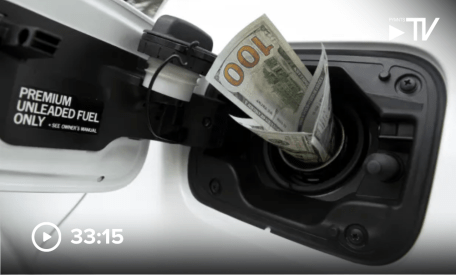
Despite a challenging quarter for travel companies marked by rising fuel costs and uneven hotel demand, consumer spending on summer travel has shown resilience. American Airlines reported a notable increase in premium passenger unit revenue, reflecting a robust demand for higher-priced travel options, while Wyndham Hotels & Resorts experienced a modest rise in U.S. revenue per available room (RevPAR). These trends suggest that travelers are not only willing to spend more but are also leveraging loyalty programs and credit cards to maximize their travel experiences. American Airlines saw a remarkable 30% year-over-year increase in AAdvantage enrollment, and spending on its co-branded credit card portfolio rose by 8%, underscoring the growing importance of rewards in consumer decision-making.
The integration of loyalty programs into payment decisions is reshaping the competitive landscape for airlines and hotels. With 70% of consumers adjusting their purchases based on rewards offers, and 43% changing payment methods to earn rewards, the implications for travel companies are significant. This shift indicates a more calculated approach to spending, where consumers are not merely focused on the cost of travel but are also considering how to optimize their expenditures through loyalty points and cash-back incentives. As a result, travel companies are increasingly prioritizing loyalty initiatives and partnerships with credit card issuers to enhance customer engagement and drive ancillary revenue.
In this evolving market, the interplay between consumer spending behavior and loyalty strategies is critical. While external factors like fuel prices and international volatility can impact profitability, the strong growth in loyalty program memberships and spending suggests that consumers are becoming more discerning about their travel choices. This trend presents opportunities for startups and fintech companies looking to innovate in the loyalty and rewards space, potentially transforming how travel-related transactions are structured and executed.
The integration of loyalty programs into payment decisions is reshaping the competitive landscape for airlines and hotels. With 70% of consumers adjusting their purchases based on rewards offers, and 43% changing payment methods to earn rewards, the implications for travel companies are significant. This shift indicates a more calculated approach to spending, where consumers are not merely focused on the cost of travel but are also considering how to optimize their expenditures through loyalty points and cash-back incentives. As a result, travel companies are increasingly prioritizing loyalty initiatives and partnerships with credit card issuers to enhance customer engagement and drive ancillary revenue.
In this evolving market, the interplay between consumer spending behavior and loyalty strategies is critical. While external factors like fuel prices and international volatility can impact profitability, the strong growth in loyalty program memberships and spending suggests that consumers are becoming more discerning about their travel choices. This trend presents opportunities for startups and fintech companies looking to innovate in the loyalty and rewards space, potentially transforming how travel-related transactions are structured and executed.
Source: PYMNTS